
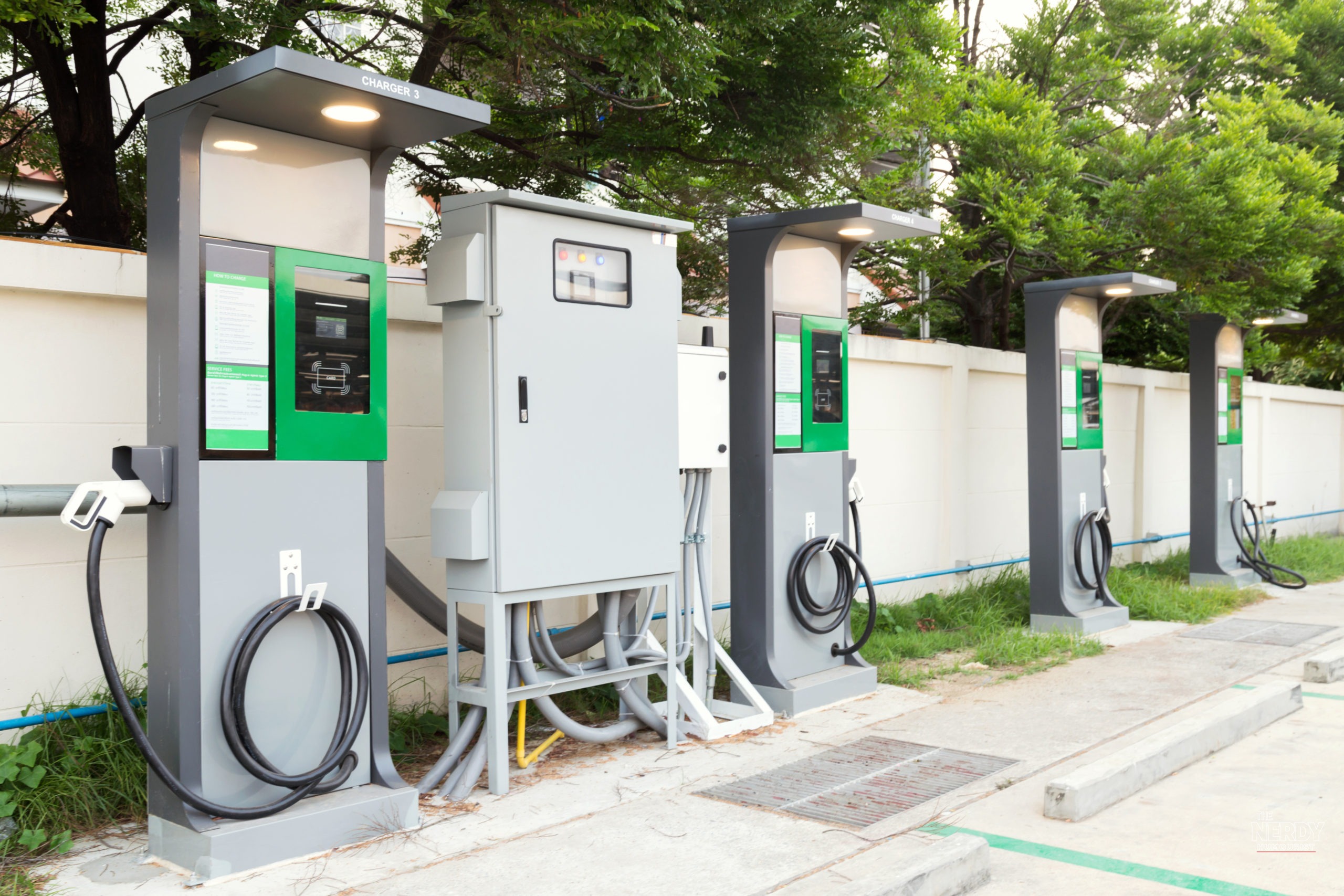
For the first time since automobiles went mainstream in the 1920s, pure gasoline-powered cars accounted for less than half of all new vehicles sold worldwide — a milestone that shows how quickly the global gasoline cars market share is eroding. According to a new analysis by Japan’s Nikkei of data from research firm Mobility Global, reported on October 2, gasoline cars made up just 49% of new-vehicle sales in the first half of 2026, down three percentage points from a year earlier and a stunning collapse from the 73% share they held as recently as 2021.
The figures, which were reported by the Seoul Economic Daily and SBS, show gasoline-car sales fell 10% year over year to 20.25 million units in the January–June period, excluding some large vehicles. In five years, the internal combustion engine has gone from powering nearly three in four new cars sold to fewer than one in two.
Gasoline Cars Market Share Falls to 49% in First Half of 2026
The headline number is historic. Nikkei said it was the first time the gasoline cars market share had dropped below 50% since the 1920s, when automobiles began spreading widely — meaning the gasoline engine has now lost the outright majority of global new-car sales for the first time in a century. The share plunged from 73% in 2021 to 49% in the first half of 2026, a decline of 24 percentage points in just five years.
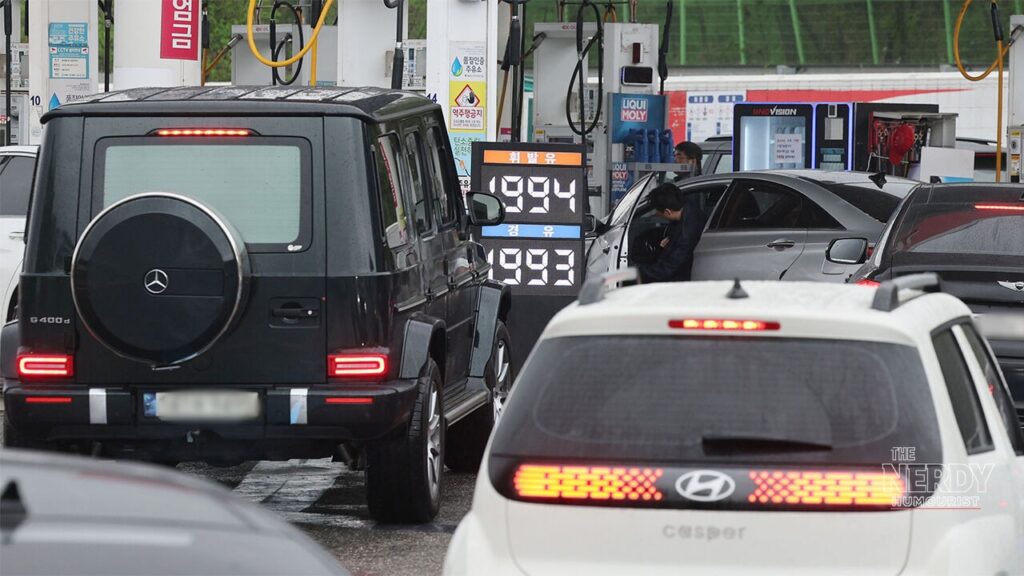
The regional breakdown shows the pullback was steepest in the world’s two largest auto markets. Gasoline-car sales fell 26% in China and 13% in Europe during the first half, according to the Nikkei analysis. Nikkei attributed the sharp drop in demand to higher gasoline prices and supply concerns, as tense international conditions drove up global crude oil prices, SBS reported.
High Oil Prices and Supply Worries Drove Buyers Away
Economics did what environmental policy alone had not. With crude prices elevated on Middle East supply concerns, the cost of filling up a gasoline car climbed, making the math of ownership harder to ignore. Analysts told Nikkei that higher fuel prices drew fresh attention to the relatively low running costs of electric vehicles, prompting more consumers to choose them instead.
Yoshiaki Kawano, an analyst at Mobility Global, said the shift was a direct response to fuel costs: “The pace of EV adoption slowed from around 2024 as subsidies ended, and hybrid vehicles grew in their place, but high oil prices are bringing renewed attention to the low running costs of EVs,” he said, according to SBS.
EV Sales Rise as Gasoline Cars Market Share Slides
As gasoline lost ground, battery-electric vehicles kept gaining. Global EV sales rose 12% from a year earlier to 6.87 million units in the first half, lifting their share of total new-vehicle sales three percentage points to 17%, according to the Nikkei analysis.
Europe led the charge. EV sales there climbed 32% to 1.81 million units, and according to the European Automobile Manufacturers’ Association (ACEA), EV sales across 31 major European countries surpassed those of gasoline cars for the first time in the first half of this year. Southeast Asia surged 81% to 350,000 units, while sales in Oceania jumped 2.2-fold to 110,000.
But the EV picture was not uniformly bright. China still accounted for about half of global EV sales, yet its sales slipped 3% to 3.44 million units after tax breaks for EVs were scaled back in January. In North America, EV sales fell 15% after President Donald Trump withdrew preferential measures. The U.S. electric market faces its own turbulence: Ford’s electric-vehicle lineup saw a brutal 80% Q3 sales collapse for the Mustang Mach-E and F-150 Lightning, a reminder that incentive rollbacks are biting EVs on both sides of the Pacific.
Kawano said the momentum now favors electric: “There are not many cases of EV buyers returning to gasoline cars or hybrids,” he said. “If prices keep falling, genuine EV demand that does not rely on subsidies will also grow.”
A Word on the Numbers: Hybrids Excluded, Full EV Takeover Still Years Away
Readers should keep one important caveat in mind: the 49% figure counts only pure gasoline-powered cars. As Investor’s Business Daily noted in its coverage of the Nikkei analysis, hybrids are excluded from the gasoline total — so the “below 50%” milestone refers strictly to gas-only vehicles, not all combustion-engine cars.
The broader electrification story also has further to run. The International Energy Agency forecasts that fully-electric vehicles will account for only about 28% of new-car sales in 2026, rising to 50% by 2035. In other words, the era of the gasoline car has ended as the majority default — but full electrification of the global fleet is still years away.
Gasoline Cars Market Share: FAQ
When did gasoline cars last hold over 50% of global new-car sales?
According to Nikkei’s analysis of Mobility Global data, gasoline cars held a 73% share as recently as 2021. The first half of 2026 is the first time on record — going back to the 1920s, when automobiles went mainstream — that the share has fallen below 50%.
Why is the gasoline cars market share falling so fast?
High crude oil prices and Middle East supply concerns pushed gasoline prices up, making fuel costs a bigger factor in buying decisions. Analysts say that spotlight on running costs is drawing buyers toward electric vehicles instead.
Are EVs taking over everywhere?
No — the trend is uneven. European EV sales jumped 32% to 1.81 million units and Southeast Asia surged 81%, but China slipped 3% after EV tax breaks were scaled back and North American EV sales fell 15% after incentive withdrawals.
Does 49% mean the end of the gasoline car?
Not yet. The 49% figure excludes hybrids from the gasoline total, and the IEA expects fully-electric vehicles to reach only about 28% of new-car sales in 2026 and 50% by 2035. Gasoline cars have lost their majority — but the transition will take years.
Sources: Seoul Economic Daily, SBS, Investor’s Business Daily.

Leave a Reply
You must be logged in to post a comment.