
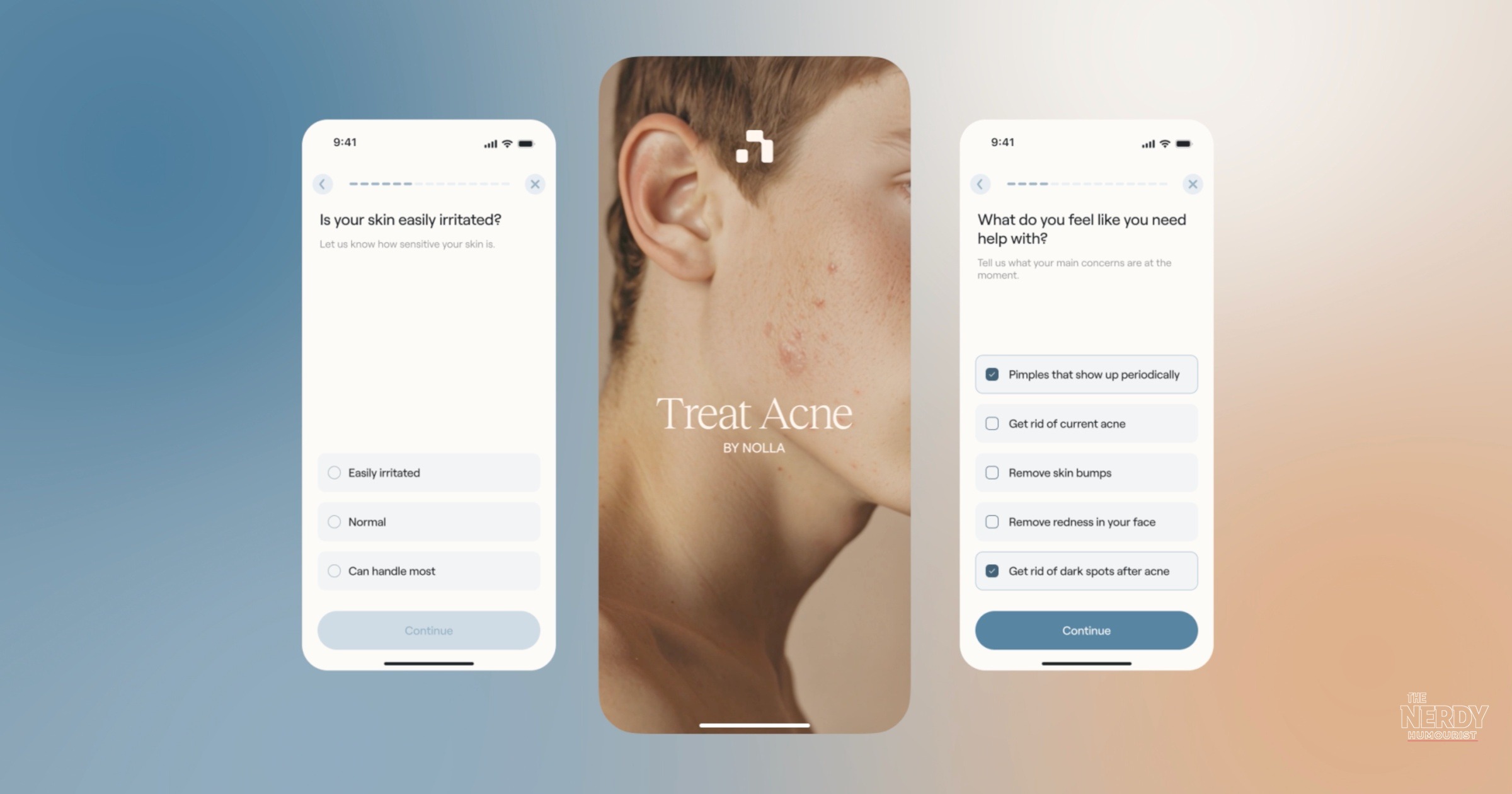
Utah has become the first state in the country to clear artificial intelligence to write initial prescriptions, after regulators approved a Nolla Health pilot in which AI issues acne prescriptions through the company’s Nolla Derm app. The Utah AI prescriptions acne Nolla program, announced Oct. 5, 2026, is open to Utah residents 18 and older and is built on a tightly constrained model: the AI can only choose from a short list of physician-approved topical treatments, and it cannot improvise.
According to Becker’s Hospital Review, Utah worked directly with Nolla Health’s team to develop the program through the state’s Office of Artificial Intelligence Policy, and the company also coordinated with the Utah Medical Licensing Board before launch. Nolla says it is the first organization in the U.S. cleared for AI to write new prescriptions.
How the Utah AI prescriptions acne Nolla pilot works
Eligible Utah residents download the Nolla Derm app, complete an informed-consent flow, answer a 10- to 15-minute intake questionnaire, and submit a face scan. A personalized treatment plan and prescription are generated within minutes, according to Medical Economics.
The service costs $4.99 a month. Patients receive their medication through home delivery or pharmacy pickup, track their progress with daily skin scans, and get treatment plans updated monthly based on how they respond. The company says patients can message a licensed physician through the app at any time — and that they never interact with an AI when they ask for support.
“AI will matter most in health care when it helps people get care they otherwise would not receive,” Nolla Health co-founder and CEO Luis Wenus said in a news release, according to Medical Economics. “With Nolla Derm, we are showing how AI can responsibly expand that access and help someone get personalized treatment in minutes instead of long waits or going without care altogether.”

Guardrails: no improvisation, staged physician oversight
The scope of the pilot is deliberately narrow. The AI cannot write open-ended prescriptions or devise its own treatments; it may only select among pre-approved treatment pathways using structured clinical data and analysis of the facial scan. If the AI cannot confidently select a treatment, the patient is referred to a licensed physician instead of receiving an uncertain recommendation.
Physician oversight scales back in three stages, as the company described them:
- First 100 patients: a licensed physician reviews and approves every AI-generated prescription before it reaches the patient.
- First 500 patients: the AI prescribes on its own, and a physician reviews its decisions each day after the fact.
- After that: a physician reviews a sample of prescriptions each week.
State officials and physicians retain the ability to suspend the program. “The real test for AI in health care isn’t how smart it is. It’s whether someone other than the company can shut it off,” said Zaid Fadul, M.D., Nolla Health’s chief medical adviser, in the company’s news release. “In Utah, the state can, and physicians can — that’s the standard every AI in medicine should meet.”
Nolla says licensed clinicians agreed with the AI’s treatment recommendations in more than 96% of real-world cases, with the rest needing only minor adjustments such as a change in topical strength. That scrutiny-heavy design echoes a broader moment in AI policy: as regulators probe AI agents elsewhere, Utah’s approach pairs autonomy with explicit kill-switches held by people, not the model.
Utah AI prescriptions acne Nolla: why acne, and why Utah
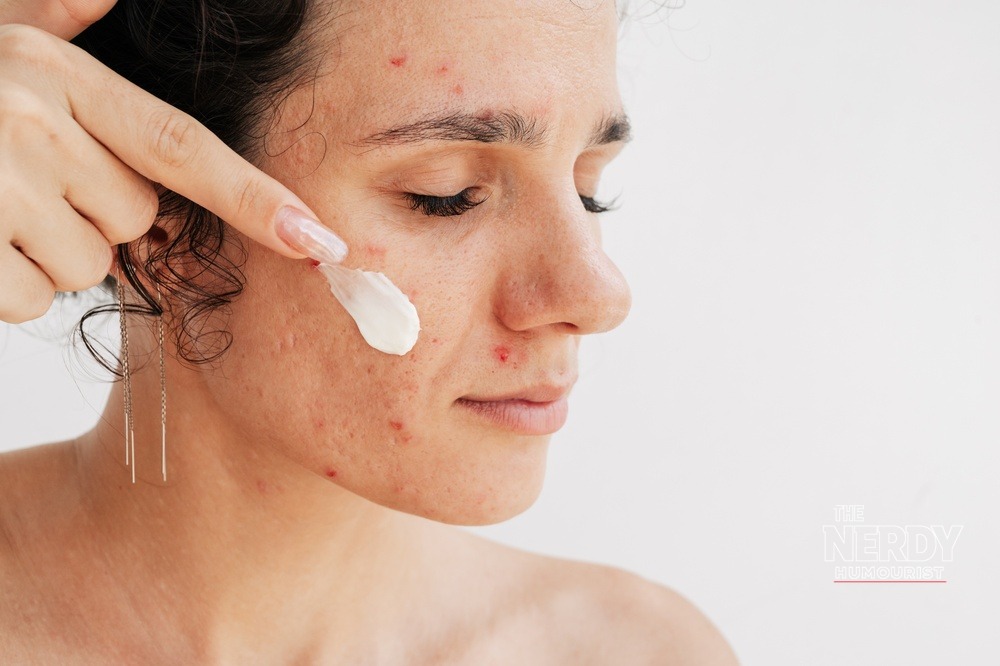
Nolla Health describes acne as a well-understood, low-risk condition with decades of clinical evidence behind it, making it the right starting point for autonomous prescribing. The company points to a stark access gap in Utah: an estimated 100,000 Utah residents have active acne at any given time, but only about 10% ever see a dermatologist. The average wait for a dermatology appointment in Utah is 61 days — nearly double the national median — 11 Utah counties have no dermatologists, and patients who do get appointments can pay up to $300 per visit.
“We don’t want to remove doctors from medicine. The goal is to free up our time so we can focus on patients who actually need our attention,” Fadul said in a company video explaining the system.
Zach Boyd, director of the state’s Office of Artificial Intelligence Policy, said in the release that the pilot “represents a significant step forward in leveraging AI to improve health care access for Utahns, while maintaining rigorous oversight and safety.”
Utah’s earlier AI prescribing experiments
Utah is not starting from zero. The state already allows AI from Doctronic to renew prescriptions for nearly 200 common chronic-condition medications and has approved a similar refill pilot for Legion Health’s AI covering psychiatric drugs. The difference with Nolla is the word “initial”: until now, AI in Utah could only extend prescriptions a doctor had already written. Writing a first prescription crosses a line no other state has crossed.
Nolla Health, headquartered in New York, launched in the United States in September 2025 in more than 40 states, backed by a $4.5 million pre-seed round led by General Catalyst. Before its U.S. expansion, the company said it treated more than 50,000 patients in Norway in six months. The company says its app has since been downloaded by more than 175,000 people across 44 states, and describes its acne app as the first of a planned suite of AI health care products.
FAQ
Can the AI prescribe anything it wants?
No. Under the Utah pilot, Nolla’s AI can only choose from a short list of physician-approved topical acne treatments. It cannot improvise, write open-ended prescriptions, or select oral or hormonal therapies. If it cannot confidently pick a treatment, the case goes to a licensed physician.
Who can use the Nolla Derm AI prescribing service?
The pilot is open to Utah residents age 18 and older. The service costs $4.99 a month and requires an informed-consent process, a 10- to 15-minute intake questionnaire, and a face scan before a treatment plan is generated.
How are doctors involved in the Utah AI prescriptions pilot?
A licensed physician approves every AI-generated prescription for the first 100 patients. Through the first 500 patients, the AI prescribes alone while a physician reviews decisions daily in retrospect. After that, a physician samples prescriptions weekly. The state and physicians can shut the program down at any time.
Why is Utah starting with acne?
The company and regulators frame acne as a low-risk, well-understood condition and point to an access gap: only about 10% of Utahns with acne see a dermatologist, the average wait is 61 days, and 11 counties have no dermatologists at all. Utah had previously allowed AI only for prescription refills — this is the first U.S. clearance for AI to issue a new prescription.
Sources: Becker’s Hospital Review, “Utah approves 1st AI pilot to issue initial prescriptions”; Medical Economics, “From skin scan to prescription: AI acne prescribing launches in Utah”

Leave a Reply
You must be logged in to post a comment.