
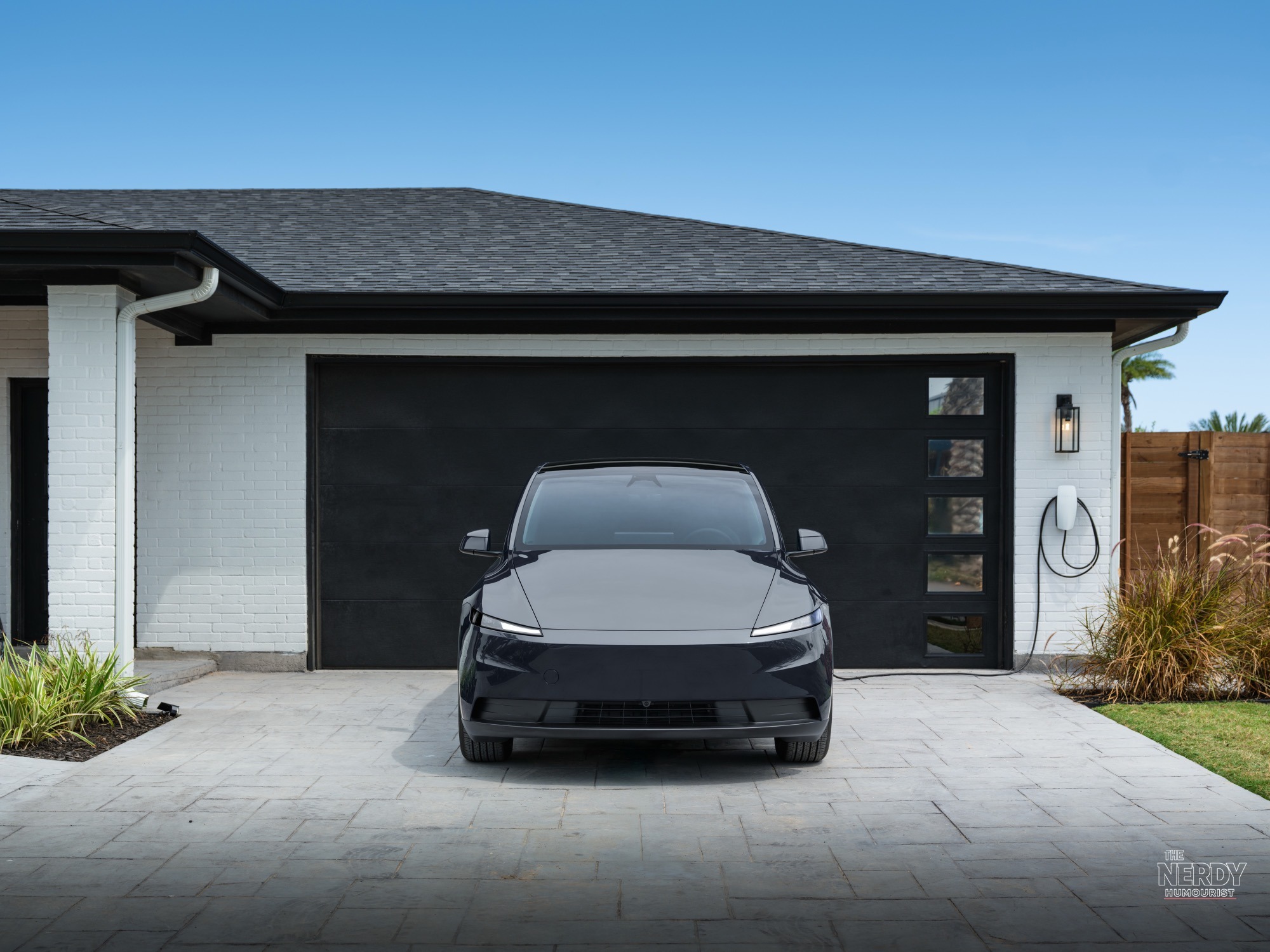
Tesla has switched on Tesla Powershare home backup for the Model 3 and Model Y, meaning its two best-selling cars can now send power back into a house during a grid outage. Tesla Energy announced the launch on X on Tuesday, October 6, writing: “Powershare Home Backup is now available for new Model 3 & Model Y with Powerwall 3. Extend your home backup by over 2 days with your vehicle.”
Until now, the Cybertruck was the only Tesla capable of feeding energy back into a home. The change turns Tesla’s two volume cars into backup batteries — with an important caveat: the feature requires a Powerwall 3 and a Wall Connector, and Tesla only guarantees it for vehicles ordered on or after October 1, 2026, Electrek reported.
How Tesla Powershare Home Backup Works
The setup is straightforward. The car is plugged into a Wall Connector or Universal Wall Connector at a home that has a Powerwall 3. When the grid goes down, the car’s battery pack extends the home’s backup power alongside the Powerwall.
Tesla says a Model 3 or Model Y adds “over two days” of backup for a home using 30 kWh a day, starting from a 90% charge. Standard trims are rated for “up to two days.” A Cybertruck, with its larger 123kWh pack, adds more than three days. Tesla lists a maximum continuous output of 11.52 kW for the Powerwall-based setup — far beyond the 2.4 kW vehicle-to-load outlet adapter Tesla added for the Model Y Premium in August.
For homes that already have a Powerwall 3 and a compatible Wall Connector, no additional equipment is needed — but owners must contact Tesla support to get the feature turned on. Tesla warns against pairing a standalone Powershare Gateway with a Powerwall system, since the existing hardware is sufficient.
Tesla Powershare Home Backup Eligibility
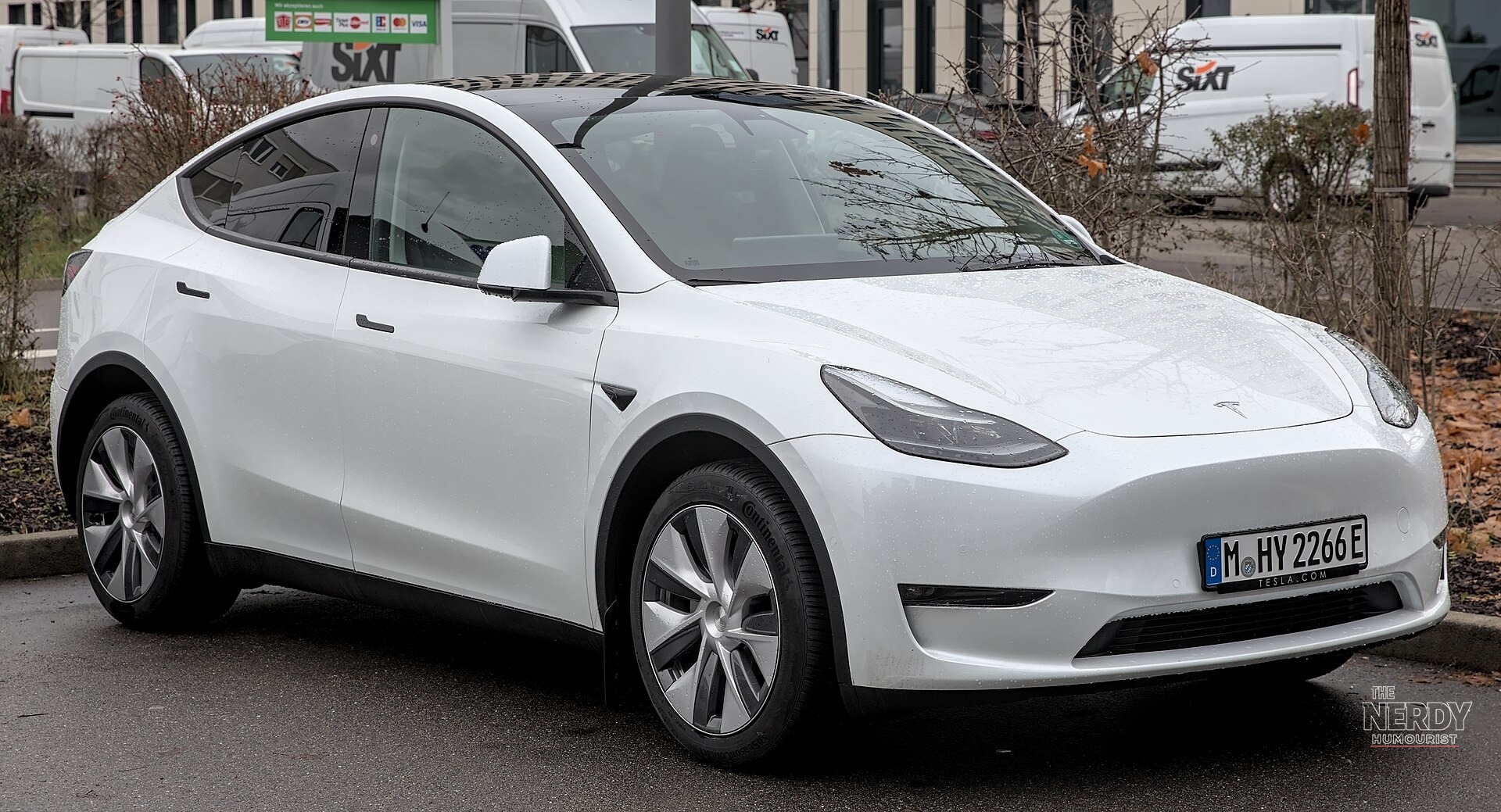
Tesla’s updated Powershare page says the feature is currently available for all Cybertrucks, plus all new Model 3 and Model Y vehicles ordered on October 1, 2026 or later. According to follow-up coverage, some vehicles produced before that date may also qualify — owners can check on the car’s touchscreen under Software, then Additional Vehicle Information, where a capable car shows “Powershare Support: Enabled.” The feature is being enabled via over-the-air software update on the energy side too.
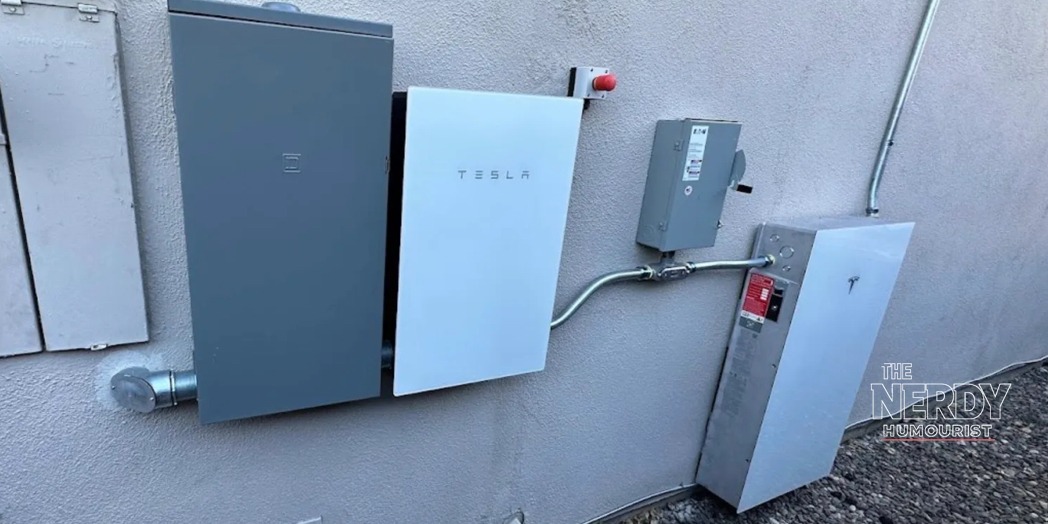
The feature is tied to the home-energy hardware: Powerwall 2 and Powerwall+ support is planned for a later software release, and Tesla’s installation documentation lists Powerwall 3 systems with either a Universal Wall Connector or Gen 3 Wall Connector as compatible with vehicle-to-home use.
Catching Up With Ford and GM
For years, Ford and GM have sold EVs that can back up a home — the F-150 Lightning’s Intelligent Backup Power and GM’s Energy V2H systems among them — so Tesla is arriving late to a category its rivals helped define. “With Powershare Home Backup, choosing a Tesla is no longer just a decision to buy an EV. It’s a decision to invest in home energy resilience,” said Colby Hastings, Tesla’s Senior Director of Residential Energy.
For scale, a Powerwall 3 holds just 13.5 kWh of usable capacity — a Model 3 or Model Y stores roughly five to six times as much energy, which is why the car can multiply a home’s backup duration so dramatically.
The move comes as Tesla’s core business shows signs of strength: the company reported better-than-expected third-quarter sales last week, while rival EV makers are stumbling — Lucid cut its 2026 production guidance after missing Q3 delivery expectations (read our coverage).
What It Means for Homeowners
The pitch is simple math. The average US home uses about 30 kWh a day, and a Powerwall 3 alone covers less than half of that. Adding a Model 3 or Model Y to the backup circuit effectively multiplies a household’s stored energy five to six times — without buying more stationary batteries. For homeowners in storm-prone or outage-prone regions who already own a Tesla and are considering a Powerwall, the car just became part of the energy equation rather than just a load on it.
FAQ
What is Tesla Powershare Home Backup?
It is Tesla’s vehicle-to-home feature: during a grid outage, a compatible Tesla sends stored battery energy back into the house through a Wall Connector and Powerwall 3, extending the home’s backup power.
Which cars support Tesla Powershare home backup?
All Cybertrucks, plus new Model 3 and Model Y vehicles ordered on or after October 1, 2026. Some earlier Model 3/Y vehicles may also qualify — check the car’s touchscreen under Software > Additional Vehicle Information.
How long can a Model 3 or Model Y power a home?
Tesla says over two days for Premium/Performance trims (up to two days for Standard trims), based on a home using 30 kWh per day and the car starting at 90% charge. Actual duration depends on household energy use and state of charge.
Do I need any extra hardware?
You need a Powerwall 3 and a Wall Connector or Universal Wall Connector. Existing owners with that setup need no new hardware, but must contact Tesla support to enable the feature.
Sources: Electrek, Not a Tesla App, Solar Power World

Leave a Reply
You must be logged in to post a comment.