
The Volkswagen ID.Tiguan is officially here. On October 9, 2026, Volkswagen fully unveiled its next-generation electric SUV, confirming that the ID.4 — and its coupe-styled sibling, the ID.5 — will live on under a new name: the ID.Tiguan. The move brings VW’s best-known SUV badge into the electric era, part of a deliberate strategy to stop treating EVs as a separate species and start selling them alongside their combustion siblings.
Volkswagen first teased the naming change in late September, but the October 9 reveal gave the world its first full look at the car. European pre-sales open October 13, with deliveries starting in early 2027. And in a first for the brand, the electric crossover will be sold side by side with the gasoline and hybrid Tiguan — the customer picks the powertrain, the badge stays familiar.
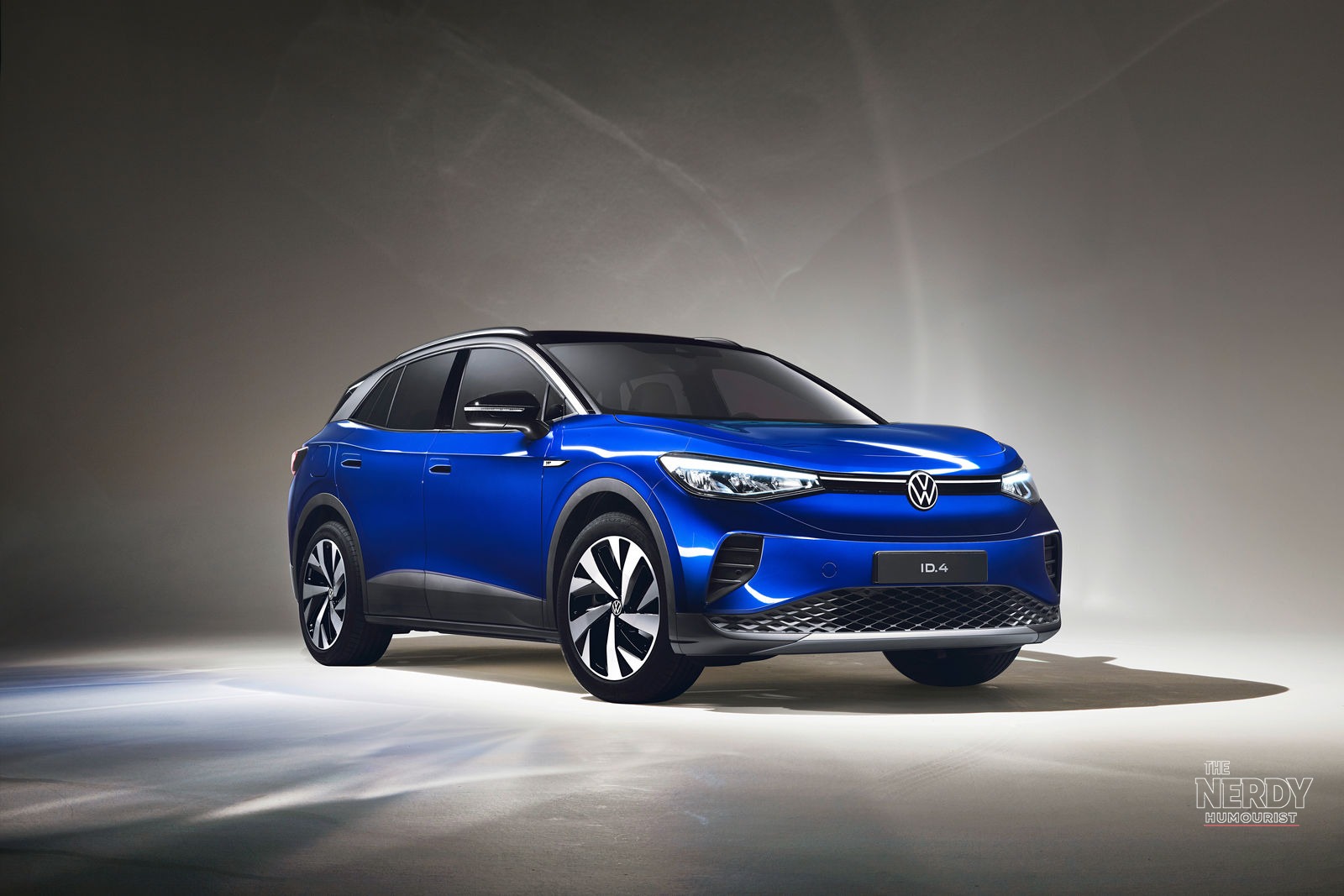
Photo: Volkswagen Newsroom (file photo of the ID.4)
Why the ID.Tiguan Name? Familiarity Over Numbers
The ID.Tiguan naming follows a wider push inside Volkswagen to retire the abstract ID numbers in favor of names customers already know. The ID. Polo and ID. Cross came first, keeping the “ID” prefix that marks an electric model but borrowing established nameplates. The Tiguan carries enormous weight: more than 8.3 million have been produced, and it is currently the best-selling model worldwide for both the Volkswagen brand and the entire Volkswagen Group.
The brand says the move is meant to make its electric range easier for customers to understand. Volkswagen CEO Thomas Schäfer described the ID.Tiguan as having a “completely new design,” WardsAuto reported, adding: “Together, both models form a strong offering for our customers’ different powertrain preferences.” His take: the ID.Tiguan brings two success stories together — the best-selling Tiguan and the ID.4/ID.5, which have delivered more than 950,000 units since 2021 and rank among Volkswagen Group’s most successful battery-electric model lines.
ID.Tiguan Specs: Three Powertrains, Up to 373 Miles
According to MotorWeek’s rundown of the European-spec car, the ID.Tiguan launches with three powertrain options, all built on the updated MEB+ platform in Emden, Germany:
- Entry RWD: 188 hp, 58-kWh battery
- Long-range RWD: 282 hp, 77-kWh battery
- Top 4MOTION AWD: 295 hp, 77-kWh battery
Volkswagen’s preliminary WLTP figures put range at up to 373 miles, almost certainly contributed by the rear-drive model with the 77-kWh pack. Towing capacity reaches up to roughly 4,400 pounds with the larger battery, and cargo space includes a small front trunk plus 18.9 cubic feet in the rear.
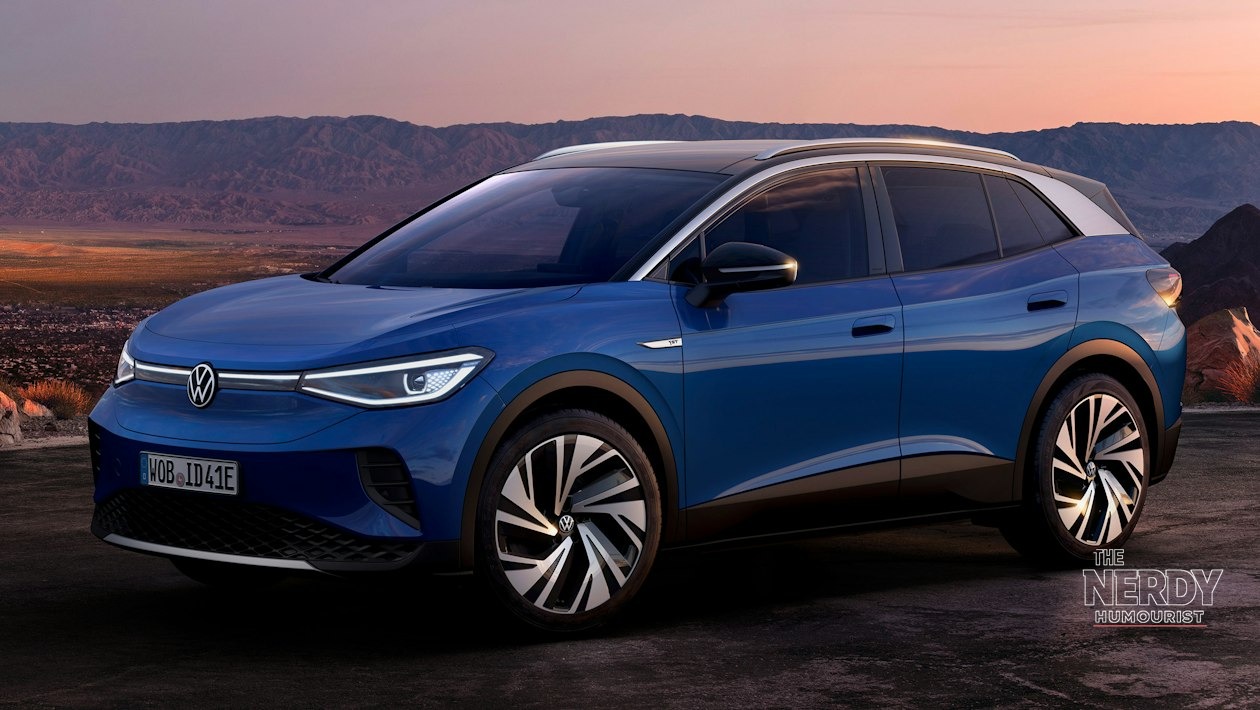
Photo: Volkswagen (via Auto Express) (file photo)
The ID.Tiguan’s Redesign: New Look, Physical Buttons Back
Volkswagen insists the ID.Tiguan is far more than a midlife facelift. Every exterior body panel has changed, giving the SUV a more upright, sculpted stance with the “Pure Positive” design language first seen on the ID. Polo. Traditional pull-type door handles replace the ID.4’s streamlined flush versions, drag coefficient drops to 0.26 Cd, and an R-Line trim arrives with 21-inch wheels and sportier bumpers — replacing the discontinued GTX badge.
Inside, the cabin is completely redesigned around a triple-screen setup: a 15-inch central display, a 10-inch instrument cluster, and an optional 12-inch passenger screen. In a nod to years of customer complaints, Volkswagen has brought back real physical controls — a steering wheel with actual buttons, four individual window switches instead of two, and a row of physical rocker switches for temperature and volume below the central vents. Top trims add heated, ventilated, and massaging seats, a Harman Kardon sound system, and a panoramic roof.
When Does the ID.Tiguan Arrive — and What About the U.S.?
The ID.Tiguan launches in Europe at the beginning of 2027, with pre-sales opening October 13 and German-market pricing starting at €42,695. The American timeline is still open: Volkswagen has confirmed the model is U.S.-bound but says North American timing and market-specific specifications will be announced later.
The context matters. Volkswagen stopped building North American ID.4s at its Chattanooga, Tennessee, factory in April 2026, and remaining ID.4 inventory is being cleared through dealers with substantial incentives. The ID.Tiguan will eventually fill that slot — but the company has not yet said where it will build the U.S. version. Chattanooga is currently dedicated to the next-generation Atlas, including upcoming hybrid versions.
The ID.Tiguan won’t replace the regular Tiguan, which continues with combustion and hybrid powertrains. Instead, the two will sell alongside each other — an unusual strategy that turns the dealership floor into a direct powertrain menu. For context on the outgoing model’s recent history, see our report on the Volkswagen ID.4 battery-fire recall, which advised owners to cap charging at 80 percent.
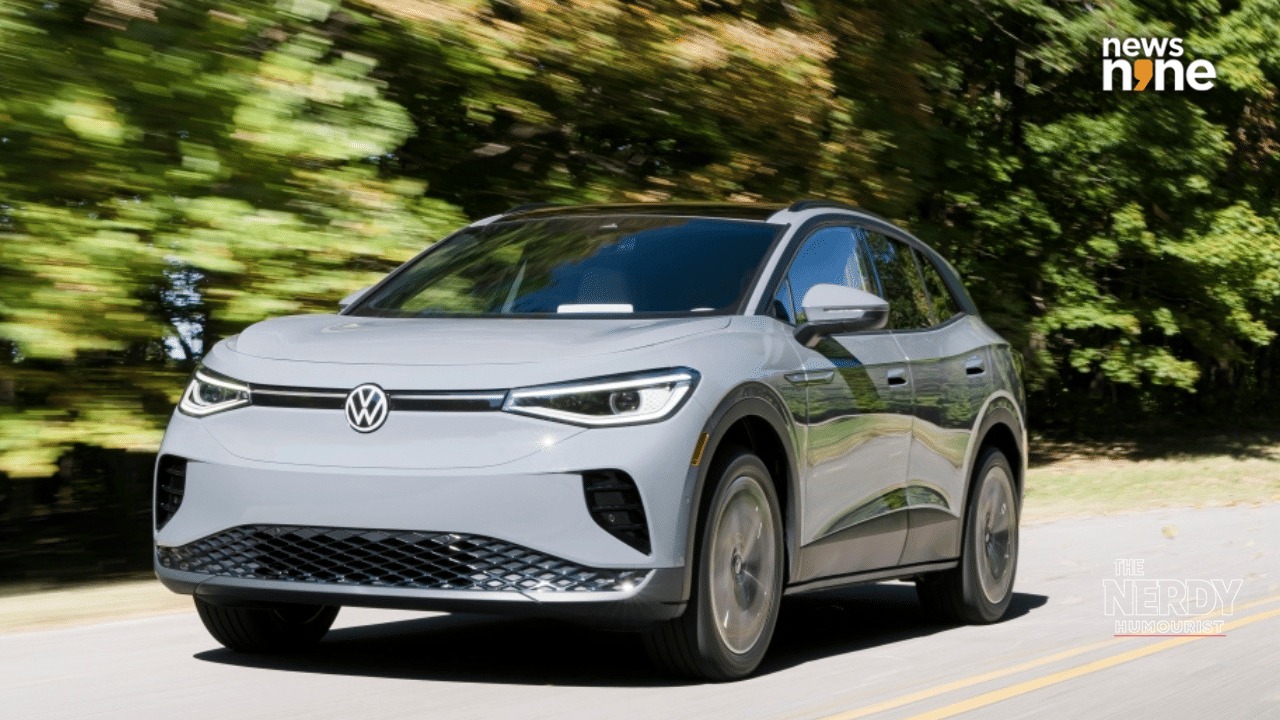
Photo: Volkswagen (via News9) (file photo)
What the ID.Tiguan Means for Current ID.4 Owners
For the more than 950,000 drivers who bought an ID.4 or ID.5, the rename changes nothing mechanical — the ID.Tiguan rides on the same MEB+ platform, extensively refreshed rather than re-engineered from scratch. Existing ID.4s will be serviced as normal, and the shared hardware means parts and software support should carry over smoothly.
The bigger question is resale. A familiar, well-liked badge could help the ID.Tiguan hold its value better than the outgoing nameplate — though with the federal EV tax credit gone and tariffs reshaping the market, U.S. pricing (unconfirmed) will matter far more than the badge on the tailgate.
ID.Tiguan: Frequently Asked Questions
What is the Volkswagen ID.Tiguan?
The ID.Tiguan is the successor to the Volkswagen ID.4 and ID.5 electric SUVs, fully unveiled on October 9, 2026. It keeps the ID prefix for electric models but adopts the familiar Tiguan name as part of VW’s new naming strategy.
When will the ID.Tiguan go on sale?
European pre-sales open October 13, 2026, with market launch at the beginning of 2027. Volkswagen has confirmed a U.S. version is coming, but North American timing and specifications have not yet been announced.
How much range does the ID.Tiguan have?
Volkswagen’s preliminary WLTP figures put range at up to 373 miles, likely from the 282-hp rear-drive version with the 77-kWh battery. Three powertrains are offered: a 188-hp entry model, a 282-hp long-range version, and a 295-hp 4MOTION all-wheel-drive top trim.
Will the ID.Tiguan replace the gas-powered Tiguan?
No. The ID.Tiguan is the fully electric alternative sold alongside the regular Tiguan, which continues with combustion and hybrid powertrains. Customers choose the powertrain while the familiar name stays.

Leave a Reply
You must be logged in to post a comment.