
Volkswagen is building a second-generation ID. Buzz, the electric minibus that revived the company’s Microbus heritage, and it will ride on the automaker’s upcoming Scalable Systems Platform (SSP) architecture with a lower price tag. The confirmation comes from Volkswagen brand CEO Thomas Schäfer, who told Auto Express at the 2026 Paris Motor Show that the Volkswagen ID. Buzz is getting an all-new successor designed to fix the single biggest problem with the current model: its price.
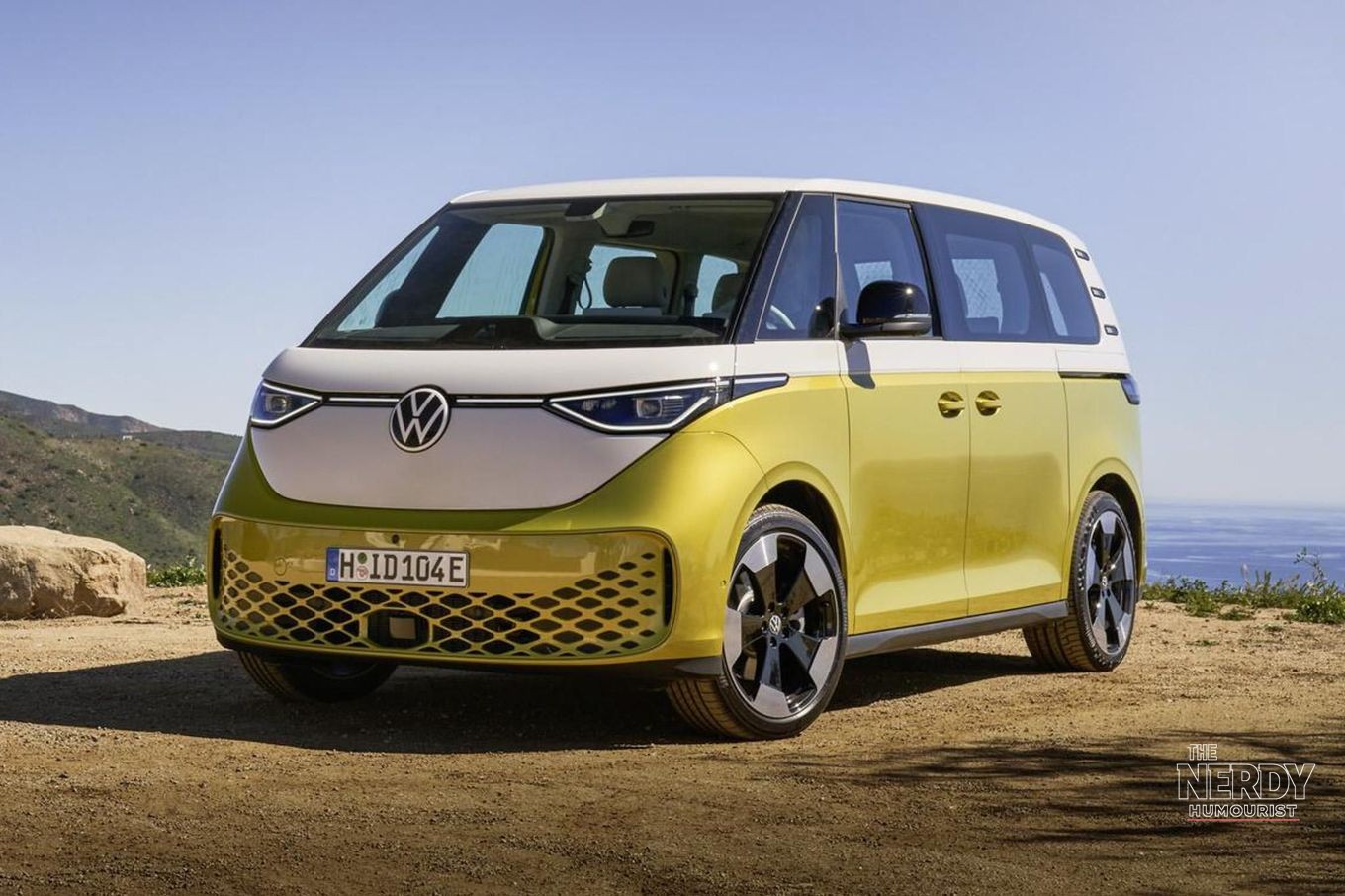
Schäfer said engineers are already at work on the next-generation van, acknowledging that the current ID. Buzz sits on the wrong cost base and that this has kept it from reaching the sales volumes the company once hoped for. Updates are planned first for the existing four-year-old model, the CEO said, before the all-new second generation arrives on SSP — the platform Volkswagen Group says will underpin millions of electric vehicles and enable software-defined cars.
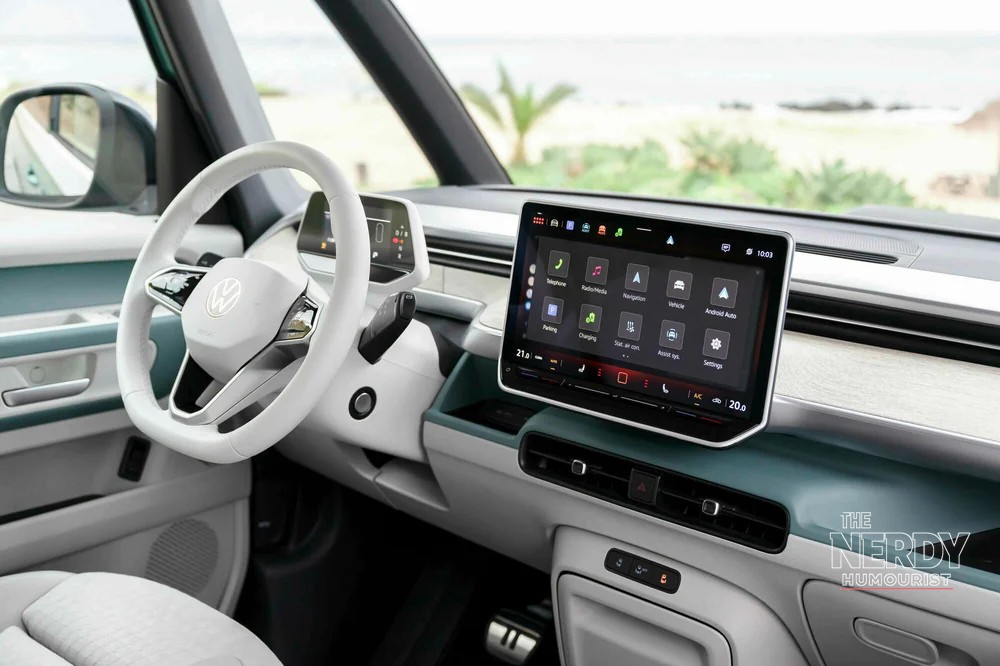
Volkswagen ID. Buzz second generation confirmed on SSP architecture
Asked by Auto Express about the future of the electric minibus, Schäfer said “they’re working on it,” confirming that a replacement program is underway. The move from today’s MEB architecture to SSP is the heart of the overhaul, according to the company.
“The car is iconic, absolutely,” Schäfer said in the interview, adding that Americans love the ID. Buzz even if that enthusiasm is not showing up in the van’s sales figures. Part of the reason, he admitted, is that the ID. Buzz “is on the wrong cost base. That makes it difficult to really be successful and get into volume in the market, unfortunately.”
The confirmation arrives at a sensitive moment for the model in North America. The ID. Buzz arrived in the United States in 2024 to enormous nostalgia-driven attention, but sales have struggled. In the third quarter of 2026, Volkswagen sold just 432 ID. Buzz units in the U.S., down 82.5 percent from nearly 2,500 in the third quarter of 2025, according to Electrek. The company skipped a 2026 model year for the U.S. entirely and has delayed the van’s return until the 2028 model year. Volkswagen Group of America’s communications chief told Electrek that the ID. Buzz is not being canceled for the American market.
That broader EV slowdown is not unique to Volkswagen. Ford’s electric vehicle sales also fell sharply in the third quarter, with demand softening as the industry recalibrates after years of aggressive EV pricing.
Why the current Volkswagen ID. Buzz is on the “wrong cost base”
When the ID. Buzz reached the U.S. market in 2024, it carried a starting price of around $60,000 and offered up to 234 miles of range. That combination — premium money for mainstream range — positioned the electric minibus as an enthusiast purchase rather than a family vehicle. Schäfer’s acknowledgment that the van is on the wrong cost base is an unusually direct admission from a brand CEO that the business case does not yet work.
The MEB platform underpinning today’s ID. Buzz was Volkswagen Group’s first purpose-built electric architecture. SSP is designed to do what MEB could not at scale: spread engineering and production costs across millions of vehicles across the group’s brands, from Volkswagen to Audi and beyond. That shared scale, the company argues, is what will let it offer more technology at lower prices.
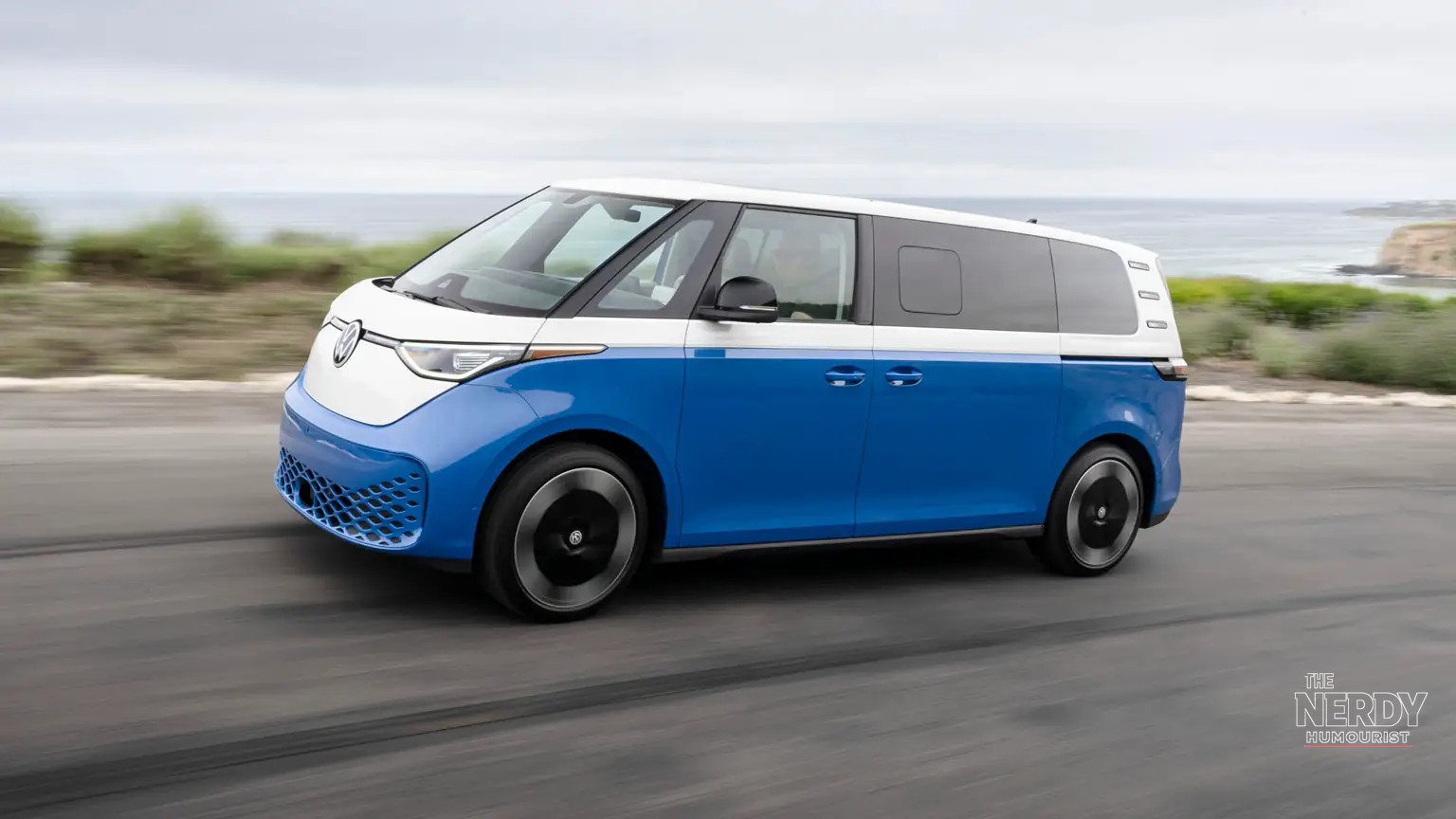
What SSP brings: faster charging, Rivian software and cheaper batteries
Volkswagen has not released confirmed specifications for the second-generation ID. Buzz, but the SSP architecture comes with a set of published targets that hint at what buyers can expect:
- 800-volt electrical architecture: Volkswagen has outlined a platform-wide target of charging from 5 to 80 percent in roughly 12 minutes under ideal conditions. That figure is a wider ambition for SSP, not a confirmed specification for the next Buzz.
- Rivian-developed electronics: Vehicles on SSP will use a zonal computer architecture developed through Volkswagen Group’s joint venture with Rivian, with powerful central computers running vehicle functions. The setup is intended to enable more advanced driver assistance and infotainment features that improve over time through over-the-air updates.
- Potential LFP batteries: Schäfer hinted that lithium iron phosphate (LFP) battery chemistry could help lower the price of the next ID. Buzz. LFP cells cost less to produce than the nickel-manganese-cobalt (NMC) chemistry common in today’s EVs, but Volkswagen has not confirmed the battery chemistry or capacity for the future van.
800-volt charging and Rivian software: the bigger SSP picture
The electronics overhaul is arguably the most consequential part of the transition. Volkswagen’s software struggles are well documented, and the Rivian joint venture is the company’s bet on fixing them. Sharing the same hardware and software across millions of vehicles should spread development costs, which the company says will give it a better chance to offer more technology without charging buyers more.
The joint venture continues to deepen. On October 7, Rivian received a $1 billion committed loan from Volkswagen Group through its joint venture financing structure, according to a securities filing reported by MarkLines — a signal that the software partnership backing SSP remains a strategic priority for both sides.
When will the new Volkswagen ID. Buzz launch?
Volkswagen has not set a launch date, a price target, or confirmed range figures for the second-generation ID. Buzz. Schäfer did not reveal timing details in the Auto Express interview beyond confirming that the existing model will receive updates first.
What is known is the platform timeline: the first SSP-based vehicles were initially expected in 2026, but Volkswagen now says they will arrive by the end of the decade. The next-generation ID. Buzz would likely follow shortly after those first SSP models. Given the U.S. return is already scheduled for the 2028 model year, the all-new van would arrive on the far side of the current model’s lifecycle.
Design: retro roots, but no repeat of the Beetle playbook
Volkswagen design chief Andreas Mindt has cautioned against leaning too hard on retro styling, citing how successive generations of the modern Beetle grew tired. The next-generation ID. Buzz will aim to keep the van’s distinctive identity without simply recycling the past.
“This I can promise you in the future: it will be interesting,” Mindt told Auto Express. The new design language, he said, will require “lots of secret sauce.”
The future van is expected to adopt Volkswagen’s updated interior approach — including the return of physical buttons, addressing one of the most criticized features of the current model’s cabin. Schäfer also addressed the broader strategy of reviving heritage nameplates, saying the company will not reuse every iconic name from its past. But the ID. Buzz makes the cut: “the iconic stuff, you need to use, because the other new brands don’t have that. They have no history.”
Frequently asked questions
Is Volkswagen really making a second-generation ID. Buzz?
Yes, according to Volkswagen. Brand CEO Thomas Schäfer confirmed at the 2026 Paris Motor Show that a successor is in development, telling Auto Express that “they’re working on it.” Updates to the current model will arrive first, followed by the all-new generation.
Will the new Volkswagen ID. Buzz be cheaper?
That is the stated goal, but no price has been confirmed. Schäfer said the current model is “on the wrong cost base” and that the move to the SSP architecture, shared across the Volkswagen Group, is intended to reduce costs. He also hinted at cheaper LFP battery chemistry, though that has not been confirmed.
What is the SSP platform?
SSP — the Scalable Systems Platform — is Volkswagen Group’s next-generation electric vehicle architecture, designed to replace MEB. It is expected to support 800-volt electrical systems for faster charging, software-defined features developed with Rivian through their joint venture, and over-the-air updates. Volkswagen expects its first SSP vehicles by the end of the decade.
When does the ID. Buzz return to the U.S. market?
Volkswagen has delayed the ID. Buzz’s return to the United States until the 2028 model year, after skipping a 2026 model year. The company has confirmed it is not canceling the model for the American market. A launch date for the second generation has not been announced.
Sources: Auto Express (Paris Motor Show interview, October 12, 2026), Electrek, MarkLines automotive wire. All specifications and pricing figures are attributed to their sources; no launch date or confirmed technical figures have been announced by Volkswagen for the second-generation model.


Leave a Reply
You must be logged in to post a comment.