
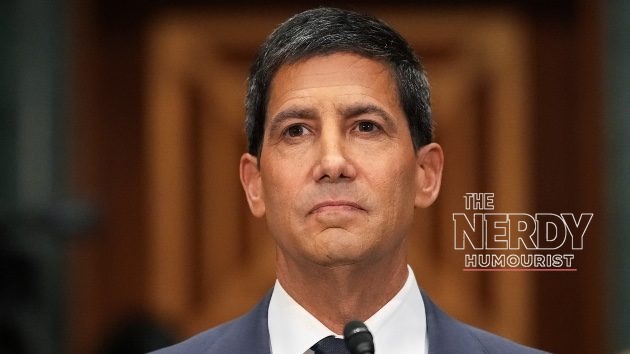
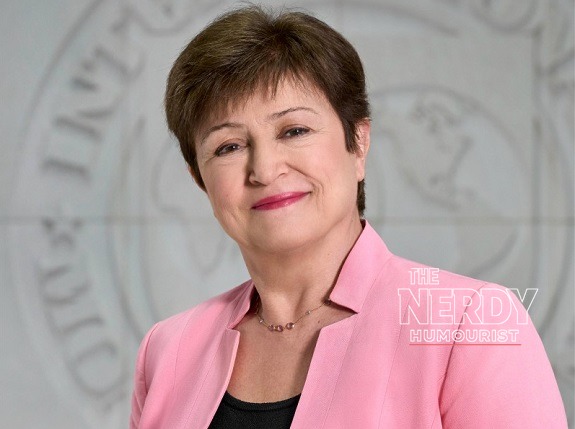
BANGKOK — When Federal Reserve Chair Kevin Warsh takes the stage in Bangkok on Friday morning for a fireside chat with International Monetary Fund Managing Director Kristalina Georgieva, investors on the other side of the world will be up late to hear him. The conversation — scheduled for 10:30–11:00 a.m. Bangkok time (11:30 p.m. ET Thursday) at the IMF’s Fall Annual Meetings — is the last scheduled set of remarks by any Fed official before the blackout period begins ahead of the Oct. 27–28 policy meeting, with Fed Warsh rate hike odds on a wild ride this week, according to the IMF’s event listing and reporting by the Wall Street Journal. Two hotter-than-expected inflation reports have turned October’s decision into a coin flip, and Fed Warsh rate hike odds have whipsawed with every new data point — making this thirty-minute conversation the most closely watched event on the Fed calendar this week.
Warsh has repeatedly said he does not want to use public appearances to steer market expectations. But as WSJ chief economics correspondent Nick Timiraos noted, anything the Fed chair says about the outlook will inevitably be read as either ratifying the market’s expectation of an October hold or resetting it toward a hike — and staying silent could send investors into the quiet period divided over a meeting that now sits less than a week before the Nov. 3 midterm elections.
The inflation data behind Fed Warsh rate hike odds
The reason the Bangkok chat carries so much weight arrived in back-to-back government reports. The Consumer Price Index rose 0.6% in September and 3.7% over the previous 12 months, up from 3.4% in August and above the 3.6% economists had forecast, according to the Labor Department. Core inflation, which strips out food and energy, rose 0.3% on the month and 2.6% on the year, also topping expectations. Gasoline prices surged 7.1% in September alone, the report showed, and Reuters’ market data showed the two-year Treasury yield jumping 14 basis points to 4.93% after the release while the dollar hit an 18-month high — classic signs of markets repricing a faster Fed. Bank of America analysts wrote that broad-based inflation strengthens the case for an October increase.
Then came Thursday’s wholesale report. The Producer Price Index jumped 1.3% in September — the biggest monthly gain since March 2022 — and 6.3% from a year earlier, the fastest annual pace since December 2022, far above the 0.6% consensus. Energy accounted for most of the surge, with gasoline up 20.3% at the producer level. Even the narrower measure excluding food, energy and trade services rose 0.5% on the month and 5.0% on the year, suggesting fuel costs are bleeding into other categories. Retail sales grew 0.8% in September, Babypips reported, though the core control-group measure rose just 0.1% — a sign consumers are starting to pull back outside the pump.
How Fed Warsh rate hike odds whipsawed this week
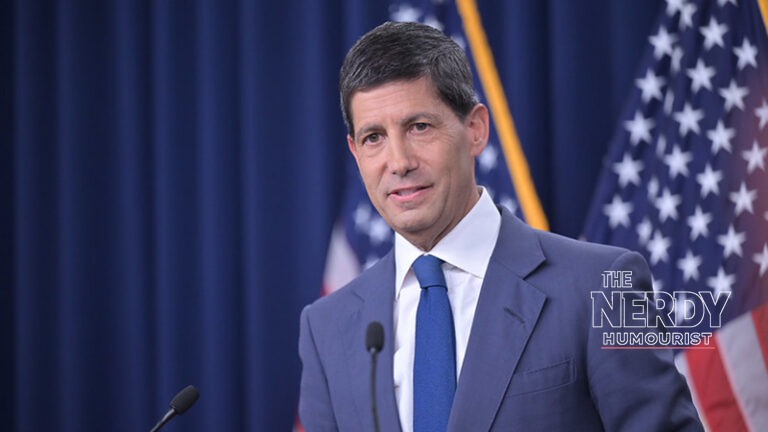
The futures-market repricing has been violent. Before the CPI report, traders priced only about a 22% chance of a quarter-point hike at the Oct. 27–28 meeting, according to our coverage of the September CPI report. After Wednesday’s hot print, the odds jumped to around 50%, WSJ’s Timiraos wrote — before easing to less than 40% later that day, per CME Group data. Then Thursday’s PPI and a tech-led stock rout, centered on semiconductor shares, pushed the probability into the low 30s; one CME FedWatch read put the October hike odds at about 34%, up from under 18% a week earlier. UBS’s wealth-management unit pegged the October odds even lower at roughly 27% — but an 89.5% chance of a hike in December, according to Reuters.
That December number is the real story beneath the October noise. Timiraos wrote that even if officials hold steady in October, as earlier communications had suggested was likely, the hot data shifts the debate “from when the Fed raises rates to how high it goes” — with sticky, broad-based inflation making it more likely the Fed keeps raising into 2027, beyond a widely anticipated December increase. The September quarter-point hike that lifted the policy rate to a 3.75%–4.00% range was the first increase since 2023, and September projections showed most officials expected at least one more move before year-end.
Warsh’s “quieter Fed” meets a noisy week
All of this lands on a chairman who has spent months arguing that Fed officials should say less. Warsh has called for a “quieter” central bank, pared forward guidance from the Fed’s post-meeting statements, and convened a task force widely expected to recommend jettisoning the quarterly rate-path projections, Reuters reported on Oct. 15. But the doctrine is getting vocal pushback: more than 40 appearances by nearly all of Warsh’s colleagues in recent weeks helped convince traders to scale back the rate-hike bets that had built after September’s increase, and several policymakers have said publicly they intend to keep talking.
The colleagues’ voices have been anything but quiet. Fed Vice Chair for Supervision Michelle Bowman said in Bangkok this week that the Fed has time to “wait and see” before acting again. San Francisco Fed President Mary Daly told Reuters rate hikes are probably still needed, but signaled no urgency at the October meeting. Boston Fed President Susan Collins said Tuesday she believes the Fed will need to raise rates again before the end of the year. Cleveland Fed President Beth Hammack warned Thursday that a deterioration in inflation expectations could demand a more aggressive response.
Timiraos diagnosed Wednesday’s CPI as “unexpectedly solid” and wrote that it “raises the importance of Chairman Warsh’s appearance” — in the WSJ’s live coverage. Earlier in the month, dovish remarks from New York Fed President John Williams and Vice Chair Philip Jefferson — detailed in our earlier report — had cut the October hike odds from around 70% to roughly 25%. The inflation data has now partially reversed that drop, leaving the meeting a genuinely close call.
What to watch: what is known vs. what is expected
Here is what is known about Friday’s event. The fireside chat runs 10:30–11:00 a.m. Bangkok time on Oct. 16 at the IMF’s Annual Meetings venue, with Georgieva interviewing Warsh on “the forces reshaping the global economy,” per the IMF listing. The Fed’s blackout period begins Saturday, Oct. 17, and runs through the Oct. 27–28 meeting — so these are the last scheduled remarks from any Fed official before the decision. The policy rate stands at 3.75%–4.00% after September’s 25-basis-point increase.
What happens in the room is expectation, not fact. Citi’s U.S. economists expect Warsh “may remain true to his desire to not offer guidance,” MarketWatch reported — though they cautioned that simply emphasizing that inflation is above target could sound hawkish in the wake of the CPI surprise, unless he tempers it by noting that financial conditions have already tightened. The chat is being staged Friday morning Bangkok time; as of this article’s publication, no remarks have yet been made, and any report of what Warsh said would be a separate story. Whatever he does say — or decline to say — investors will parse every phrase for whether October is a hold or a hike.
Frequently asked questions
When is Fed Chair Warsh’s fireside chat with the IMF?
Friday, Oct. 16, 2026, from 10:30–11:00 a.m. Bangkok time (ICT) at the IMF’s Fall Annual Meetings in Bangkok — which is 11:30 p.m. ET Thursday in the United States, according to the IMF’s event listing.
What is the Fed’s blackout period?
The blackout period is the window before each Federal Open Market Committee meeting during which Fed officials refrain from public monetary-policy commentary. For the Oct. 27–28 meeting, it begins Saturday, Oct. 17 — the day after Warsh’s Bangkok chat.
What are the current Fed rate hike odds for October?
Interest-rate futures have whipsawed this week: odds of a quarter-point hike at the Oct. 27–28 meeting jumped to around 50% after Wednesday’s hot CPI report, then fell to the low 30s after Thursday’s PPI and a tech-stock selloff, per CME Group data. These are market-implied probabilities, not decisions — the Fed has not signaled an outcome.
Did the Fed raise rates in September 2026?
Yes. The Fed raised its benchmark rate by a quarter point to a 3.75%–4.00% range in September — its first rate increase since 2023 — citing elevated inflation.
Sources: IMF event listing; Reuters (Oct. 15 “quieter Fed” report, CPI and UBS reports); Wall Street Journal live coverage; MarketWatch; Babypips; Yonhap Infomax; Bureau of Labor Statistics via agency reports.


Leave a Reply
You must be logged in to post a comment.