

ExxonMobil Q3 earnings warning flags are up on Wall Street: the U.S. oil giant warned in a regulatory filing on Friday, October 16, 2026, that changes in oil prices would lower its third-quarter upstream earnings by $1.3 billion compared with the second quarter. The industry bellwether had posted $7.9 billion in upstream earnings in Q2 and a net profit of $7.5 billion in the third quarter of last year, according to Reuters’ report on the filing.
The warning landed on a chaotic trading day — Brent crude topped $110 a barrel while the broader market sold off on renewed doubts about the AI trade — and it sets up an unusual quarter for the company: crude production profits slipping, refining profits roaring.
What the ExxonMobil Q3 Earnings Warning Says
The filing breaks the quarter into moving pieces. On the upstream side, which covers oil and gas production, Exxon said changes in oil prices would cut earnings by $1.3 billion versus Q2. The average closing price of the Brent benchmark declined about 5.6% during the third quarter compared with the previous three months, according to LSEG data cited by Reuters.
Two smaller items round out the upstream picture: the company’s move to divest some upstream assets will boost earnings by $700 million, and Exxon will take an estimated $2.5 billion hit from “timing effects” — derivative positions linked to cargoes that have been shipped but not yet delivered, which the company expects to reverse in coming quarters, per Reuters and dpa-AFX reporting. The filing also indicated there were no volume-related disruptions during the quarter stemming from the Iran war.
ExxonMobil will release its full third-quarter results on October 30.
Refining Margins Deliver a $4.5 Billion Cushion
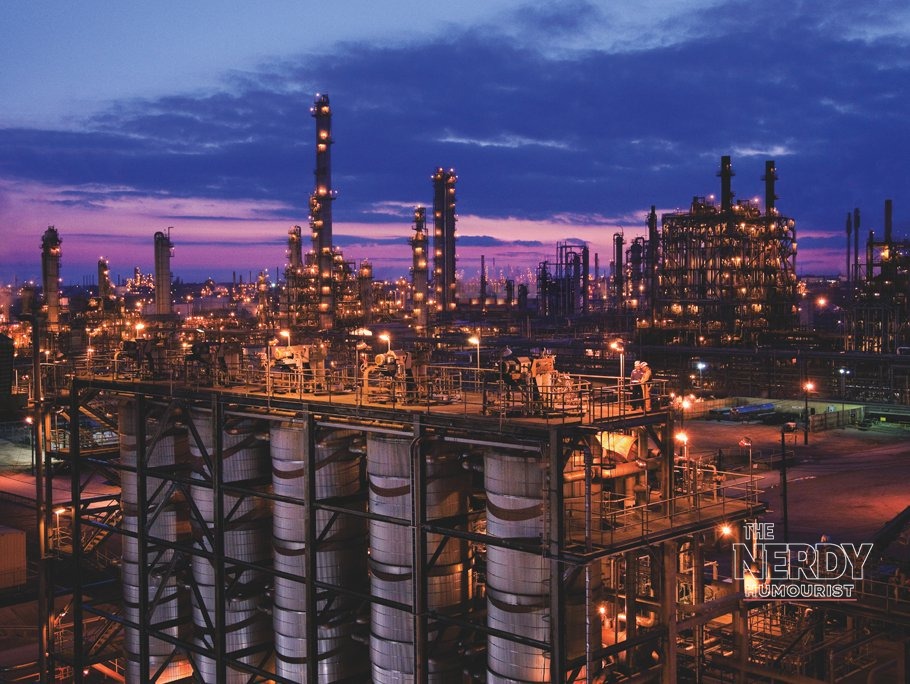
The other half of the story is a refining boom. Exxon signaled Friday that higher refining margins during the third quarter could boost its downstream profit by $4.5 billion compared with the second quarter, on top of the $4.1 billion it earned from refining in Q2.
Refining margins have soared on the back of the ongoing Iran war, which has restricted energy exports through the Strait of Hormuz, and Ukrainian attacks on Russian refineries, according to Reuters. The Gulf Coast 3-2-1 crack spread, a benchmark of U.S. refining profitability, rose 28% quarter over quarter and touched a record $72.64 on September 22.
Analysts expect Exxon’s refining earnings to reach about $7.8 billion for the quarter, based on data compiled by Bloomberg, which would be the company’s best quarter on record for the segment. BMO Capital Markets analyst Phillip Jungwirth estimated in a research note that adjusted net income for the refining business could jump to $8.5 billion — more than double last quarter’s level, Reuters reported.
A Political Complication
That refining windfall could create political friction. President Donald Trump complained in August that Exxon and Chevron were making “too much money,” according to Reuters, and record pump prices ahead of the November midterm elections keep energy profits in the political crosshairs.
Oil Prices Topped $110 as Wall Street Sold Off
The ExxonMobil filing arrived the same day oil prices surged. Brent crude touched $110 a barrel on Friday, jumping more than 3% as investors weighed growing concerns about Middle East supply disruptions, while U.S. benchmark West Texas Intermediate held comfortably above $100, according to live market reporting. Around 4 p.m. ET, front-month Brent futures were 3.5% higher at $109.55 and WTI was up 3.4% at $101.35, per Investopedia.
The rise follows a broader run-up: as we reported in late September, Brent hit $106 and diesel prices reached record highs amid the Iran standoff. Since then, crude has climbed roughly another 4%, tightening the backdrop for everything from inflation to the Fed’s next rate move.
Friday’s spike came as a group of U.S. lawmakers introduced a bill to block a Trump administration deal to release more Russian diesel into global markets, according to Bloomberg’s markets wrap. Traders judged that the Middle East supply risk outweighed efforts to add supply.
Why the ExxonMobil Q3 Earnings Warning Matters for a Rattled Market
The filing lands in a market losing confidence in its two biggest engines: oil stability and the AI trade. A rout in chipmakers extended into an eighth straight session on Friday — the longest retreat since 2008 — on worries that the buildout of AI infrastructure has outrun firms’ ability to earn a return on it, Bloomberg reported. The Nasdaq 100 fell about 2%, and CoreWeave, the Nvidia-backed data center operator whose bonds have been trading at levels that typically signal distress, sank 11%.
The major indexes all closed sharply lower: the Nasdaq Composite dropped 2.14% to 26,140.03, the S&P 500 fell 1.09% to 7,659.44, and the Dow slipped 0.34% to 52,002.41, per AP reporting. The S&P 500 was headed for its steepest weekly loss since January, while energy was the lone bright spot, gaining about 2.5% on the crude rally.
The International Monetary Fund spotlighted the same fear this week at its annual meetings in Bangkok, flagging significant growth and financial stability risks from a potential end to the AI investment boom. “If there are questions about the monetization of AI, the equity investments will deplete in value,” Jason Wu, assistant director of the IMF’s Global Markets Analysis Division, told a press conference at the Bangkok meetings.
What Comes Next: October 30 and a Loaded Q3 Earnings Season
Exxon’s official numbers arrive October 30, and they will land in the middle of a Q3 earnings season with towering expectations. Analysts expect S&P 500 companies to post third-quarter earnings growth of 29.0% year over year, according to FactSet’s October 16 update — which would mark the third consecutive quarter of growth above 25% and the eighth straight quarter of double-digit growth.
Energy is the biggest upside surprise in that outlook. Wall Street’s projected year-over-year growth for the sector surged to 128% (up from 79% in June) following the jump in crude prices, Barron’s reported, while FactSet put the energy sector’s expected growth at 111.4% — the highest of any of the 11 sectors, with the oil and gas refining and marketing sub-industry projected to grow earnings by 427%.
Investors, at least, are not punishing Exxon for the upstream warning. The stock rose 1.5% to $177.32 on Friday and was on pace to close at a record high, Barron’s reported, with shares up 45% this year. Chevron added 1.9% to $223.52 on the day. The market’s verdict for now: the refining boom is doing the heavy lifting — and then some.
ExxonMobil Q3 Earnings Warning — FAQ
How much will ExxonMobil’s Q3 upstream earnings fall?
ExxonMobil said in a regulatory filing on October 16, 2026, that changes in oil prices would lower its third-quarter upstream earnings by $1.3 billion versus the second quarter. The company posted $7.9 billion in upstream earnings in Q2, according to Reuters.
When does ExxonMobil report full Q3 2026 results?
ExxonMobil is scheduled to release its full third-quarter 2026 results on October 30, 2026.
Why are Exxon’s refining margins surging?
Refining margins have soared because the Iran war has restricted energy exports through the Strait of Hormuz and Ukrainian attacks have hit Russian refineries, Reuters reported. The U.S. benchmark 3-2-1 crack spread rose 28% in the quarter and hit a record $72.64 on September 22.
Why did oil prices top $110 on October 16?
Brent crude jumped more than 3% to top $110 a barrel as investors worried about Middle East supply disruptions, and U.S. lawmakers moved to block a deal that would release more Russian diesel into global markets. WTI held above $100 a barrel.


Leave a Reply
You must be logged in to post a comment.