
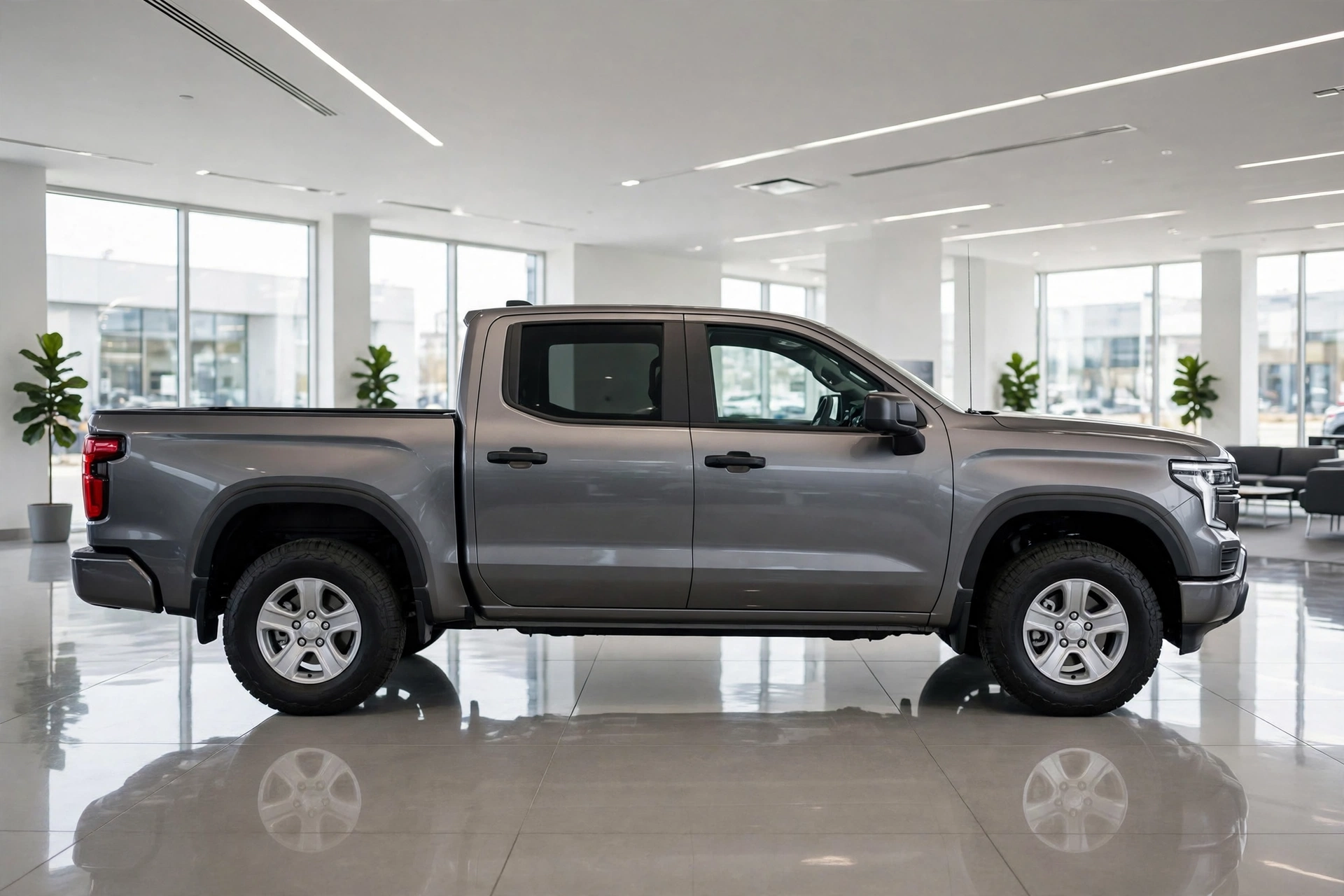
The Trump administration is set to announce a major rollback of federal fuel-economy requirements for new cars and light trucks, giving automakers more freedom to build gas-powered vehicles. The Trump fuel efficiency rules decision was announced by President Trump himself on Saturday via Truth Social, where he said he had “just approved new Fuel Economy Standards,” the New York Post reported. Transportation Secretary Sean Duffy said the administration would formally announce the change Monday.
What the rollback changes
The scale of the shift becomes clear against recent history. Under the Biden administration, automakers faced a 50.4 miles per gallon standard, according to the Post. A proposal issued in December would have lowered the requirement to an average of 34.5 miles per gallon for cars and light trucks in model year 2031 — the new announcement moves federal policy further away from the previous trajectory.
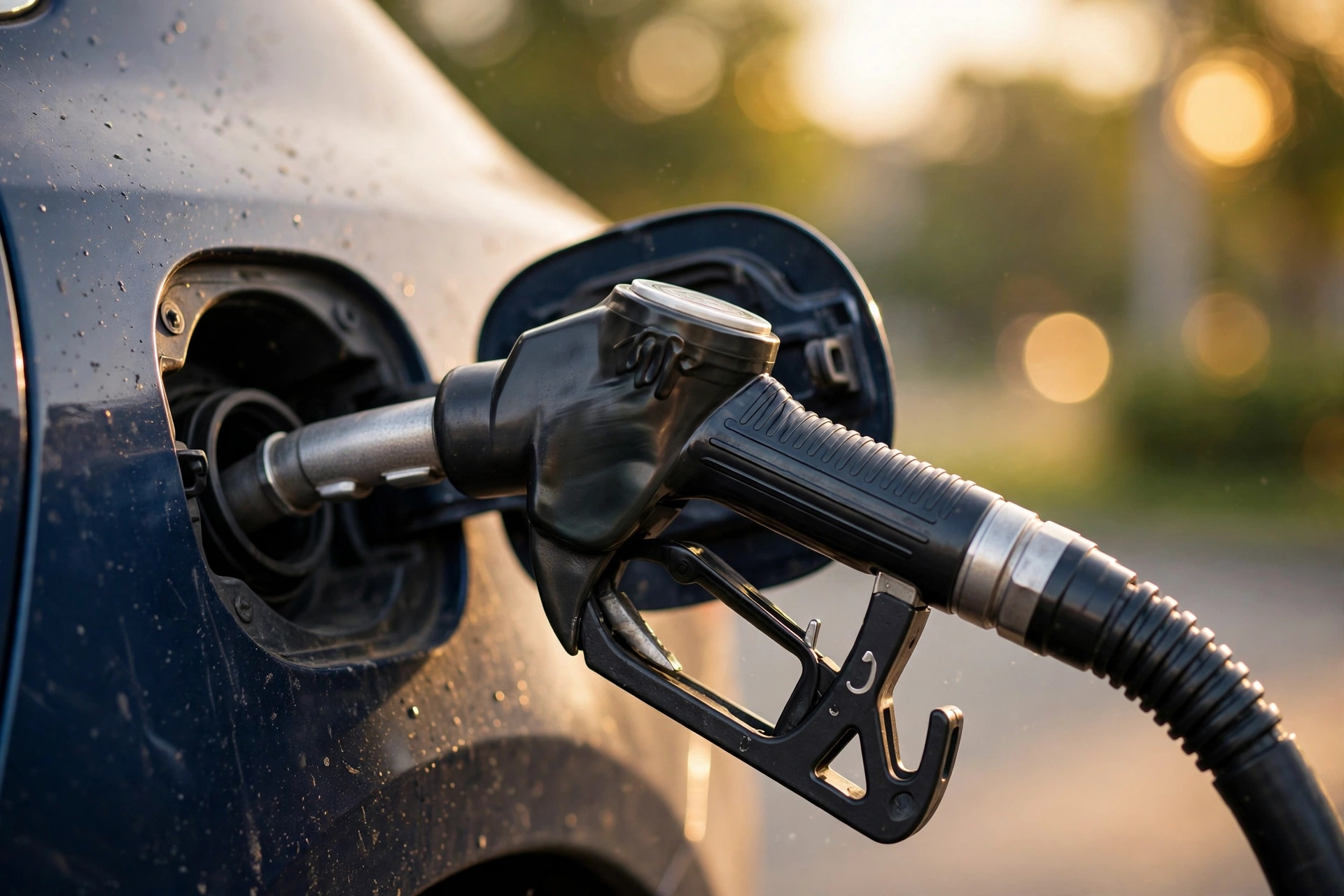
It follows a cascade of related moves. Congress has already removed fines for automakers that fail to meet the mileage standards, saving the industry hundreds of millions of dollars, the Post reported. In February, the Environmental Protection Agency ended all federal limits on planet-warming pollution from cars. Congress also repealed tax credits of up to $7,500 for buyers of new electric vehicles. And last year, Congress blocked California from setting its own stricter limits on car emissions, further narrowing the state’s ability to set its own direction for the auto industry.
Trump’s argument: cheaper new cars
Trump has said the fuel economy rollback will help Americans by cutting thousands of dollars from the price of new cars, per the Post. The logic is straightforward from the administration’s perspective: looser standards mean automakers can build the vehicles they want without spending on efficiency technology or paying penalties — and pass the savings to buyers.
Critics and industry analysts may see it differently, but the immediate beneficiary is clear. The Post notes that the decision matters in California precisely because the state has spent years pursuing tougher automobile pollution rules and promoting electric vehicles — the federal rollback undercuts that direction further.
The gas-price backdrop
The change was announced as Americans have been getting hammered by high gas prices. The national average for a gallon of regular gas hit $4.48 on Saturday, according to AAA, up from $3.14 per gallon a year ago, the Post reported. The price is drastically higher in California, where a gallon of regular gas reached $6.33 on Saturday, an increase from $4.64 a year ago.
California has been particularly vulnerable to gasoline price spikes because of its isolated fuel market, refinery closures, and dependence on imports. Drivers there pay a “California premium” that includes higher state excise taxes, more sales tax and local fees, and costs for climate programs unique to the state — and the state requires a special, more costly fuel blend designed to prevent smog that only the state’s refineries and specific Asian countries can produce. Diesel prices in Los Angeles have been displayed above $8 per gallon, and the shutdown of oil refineries has dwindled supply while pushing up prices, critics say, per the Post.
Who actually wins
The Post notes that the new federal rollback will be largely symbolic in financial terms — much of the pressure on automakers had already been lifted by Congress removing the fines. But symbolically and strategically, it gives manufacturers even more reason to focus on larger pickups and SUVs that tend to produce greater short-term profits. With EV incentives gone and efficiency fines off the books, the industry’s center of gravity keeps shifting back toward the vehicles that have always paid best — even as gas prices hit fresh highs and drivers foot a bigger share of the cost at the pump.
FAQ
What were the old fuel economy standards?
Under the Biden administration, automakers faced a 50.4 miles per gallon standard. A December proposal would have set an average of 34.5 mpg for cars and light trucks in model year 2031, according to the New York Post.
When will the rollback be formally announced?
President Trump announced Saturday on Truth Social that he had approved the new standards, and Transportation Secretary Sean Duffy said the administration would formally announce the change Monday.
Does the rollback affect California’s rules?
California’s ability to set stricter rules was already narrowed when Congress blocked the state from setting its own stricter limits on car emissions last year, per the Post.
How much could new cars get cheaper?
Trump has said the rollback will cut thousands of dollars from the price of new cars. The Post notes Congress had already removed fines that were saving the industry hundreds of millions of dollars, so the financial effect of the new announcement is partly symbolic.
Sources:
- New York Post, “Trump to roll back fuel-efficiency rules in boost for automakers” (Sept. 26, 2026) — https://nypost.com/2026/09/26/us-news/trump-to-roll-back-fuel-efficiency-rules-in-boost-automakers/
