

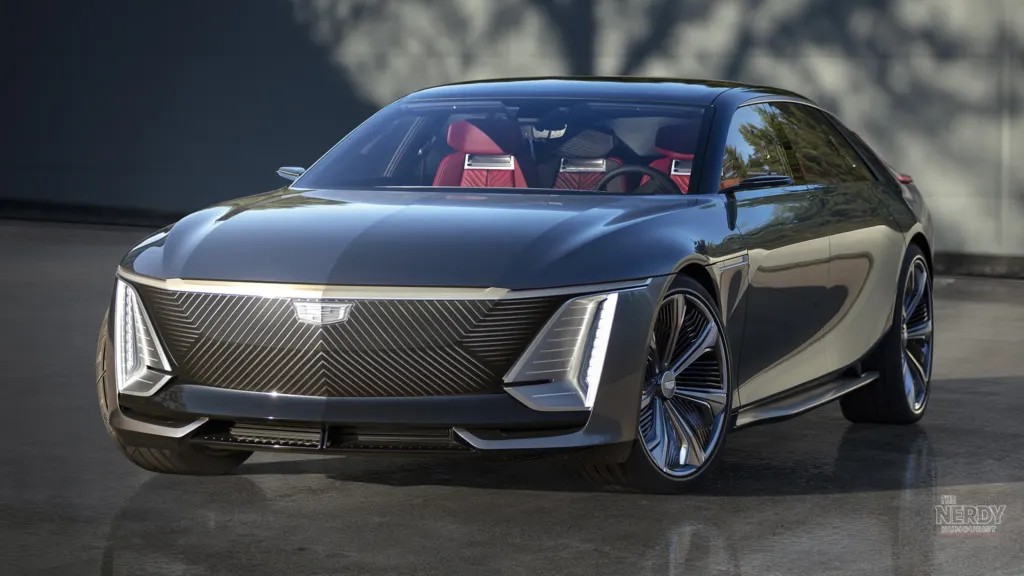
General Motors is closing its Brownstown Battery Assembly plant south of Detroit, the latest step in the automaker’s retreat from its once-ambitious electric-vehicle manufacturing footprint. The GM Brownstown battery plant closure, confirmed by the company this week, ends a 17-year run for a facility that built battery packs for the Chevrolet Volt, the Corvette E-Ray hybrid and Cadillac’s hand-built Celestiq flagship.
GM says the closure is driven by a lease, not by strategy. A company spokesperson told TechCrunch that the lease on the site is nearing its end and that the employees and work at Brownstown will move to other GM facilities, though the company has not said which ones. The plant will be decommissioned when the lease expires next summer.
The announcement landed in a week when GM’s electric-vehicle reset was already under scrutiny. The company has spent 2026 unwinding parts of its EV buildout after federal incentives for electric vehicles were repealed, and Brownstown is the latest facility to go.
What Brownstown Built
The Brownstown Battery Assembly plant opened in 2009, and its first battery pack rolled off the line in 2010 for the Chevrolet Volt, the plug-in hybrid that became GM’s first mass-market electrified car. In recent years the 480,000-square-foot facility handled a much smaller, more specialized workload: battery packs and electric drive units for the Chevrolet Corvette E-Ray, the first electrified Corvette, and battery packs for the Cadillac Celestiq, Cadillac’s hand-built electric flagship.
The Corvette E-Ray pairs a V8 engine driving the rear wheels with an electric motor on the front axle, giving the sports car all-wheel drive. That front-axle motor and the car’s battery pack were both built at Brownstown. The Celestiq, meanwhile, is a low-volume, hand-built sedan priced deep into six figures, so its battery volumes were never large.
Staffing at the plant had already dwindled. According to Ford Authority, which cited Automotive News’ original report of the closure, headcount at Brownstown had fallen from around 300 workers to fewer than a dozen. Workers who remain have been offered jobs at other nearby facilities, GM said.
A Lease Expiry, Not an EV Strategy Shift — Officially
GM is keen to frame the Brownstown closure as a real-estate decision rather than a verdict on electric vehicles. The spokesperson told TechCrunch that the closure “is not related to GM’s electric vehicle strategy,” pointing instead to the expiring lease.
That distinction matters to GM because the closure sits awkwardly alongside a string of EV pullbacks. Since the start of the year, GM has reduced spending on electric vehicles and shifted investment toward gasoline-powered models and hybrids. In August, the company sold its stake in a battery-plant joint venture with Samsung in Indiana, a plant that will now initially produce batteries for energy storage systems rather than for GM vehicles.
The company has also dissolved a hydrogen fuel-cell partnership with Honda and cancelled a planned hydrogen fuel-cell plant in Detroit with supplier Piston Automotive, taking over that site’s lease with plans to repurpose it. GM has not said what it will do with that 300,000-square-foot building.
What Happens to the E-Ray and Celestiq
The closure raises a practical question: where will the batteries and motors for the remaining electrified models come from? GM would not say where the Brownstown work will move, according to Car and Driver, which also reported that the company would not comment on where the Celestiq will source its batteries once Brownstown closes.
The Corvette E-Ray’s future adds another wrinkle. The hybrid Corvette is not expected to return for the 2027 model year, with reports pointing to a new Grand Sport X taking its place in the Corvette lineup. That means Brownstown’s closure coincides with the end of the run for one of its most distinctive products.
The Celestiq remains in production for now, so GM will need to find a new home for its battery packs. The company continues to produce a range of EVs, including the Chevrolet Silverado EV and the Chevrolet Bolt, and says it is still researching new battery chemistries, including lithium-manganese-rich and sodium-ion cells, alongside a new $900 million facility to speed commercialization.
GM’s Wider EV Reset
The Brownstown closure is best understood as part of a broader reset across the US auto industry. EV demand cooled sharply after federal purchase incentives were repealed, and automakers that had committed tens of billions of dollars to electrification have spent 2026 rebalancing toward hybrids and gasoline models that sell in higher volumes today.
GM is not alone. Across the industry, manufacturers have delayed EV launches, cancelled joint ventures and redirected capital. Rival Tesla, for example, reported a sharp profit decline in its own Q3 2026 earnings while cutting its capital spending plans for the year. For GM specifically, the pattern this year includes the Samsung joint-venture exit, the end of the Honda hydrogen partnership, the cancelled Piston Automotive hydrogen plant, and now Brownstown.
Still, GM chief executive Mary Barra continues to describe electric vehicles as the company’s “North Star,” and the company insists it has not given up on full electrification. The tension between that long-term message and the short-term closures is the defining story of Detroit’s 2026.

What It Means for Workers and Michigan
For the handful of workers still at Brownstown, GM says jobs will transfer to other facilities. The broader impact on Michigan’s auto corridor is modest in headcount terms — the plant’s workforce had already shrunk to a skeleton crew — but symbolic: Brownstown was one of the first purpose-built EV battery plants in the United States, and its closure marks the end of an era that began with the Volt.
Local officials and the United Auto Workers union will be watching what GM does with the site and where the work lands. GM’s relationship with the UAW is already under strain: Automotive News has reported that union president Shawn Fain said the union “will remember” GM’s $20 billion stock buyback authorization during the next round of contract negotiations, which are due in 2028.
Frequently Asked Questions
Why is GM closing the Brownstown battery plant?
GM says the lease on the Brownstown Battery Assembly plant is ending next summer, and the facility will be decommissioned. The company says the closure is not related to its electric-vehicle strategy, though it follows a series of EV spending pullbacks in 2026.
What did the Brownstown plant build?
Most recently, the plant built battery packs and electric drive units for the Chevrolet Corvette E-Ray and battery packs for the Cadillac Celestiq. It opened in 2009 and built its first battery pack for the Chevrolet Volt in 2010.
Will Brownstown workers lose their jobs?
GM says the employees and work at Brownstown will move to other GM facilities, though it has not named them. Staffing had already fallen from around 300 workers to fewer than a dozen, according to reports.
Does this mean GM is abandoning electric vehicles?
No, according to GM. The company says EVs remain its long-term goal, and it continues to sell models like the Chevrolet Silverado EV and Bolt while researching new battery chemistries. However, it has scaled back EV spending and shifted investment toward gasoline and hybrid models in the near term.
Sources: TechCrunch first reported GM’s confirmation of the closure; Automotive News first reported the closure; The Drive, Car and Driver and Ford Authority covered the plant’s history and the fate of its products. See also our Ford F-150 Super Duty recall story for the latest on Detroit’s safety actions. Outbound: TechCrunch: GM to close Detroit battery-assembly plant and The Drive: GM’s ongoing EV pullback has claimed a battery plant.


Leave a Reply
You must be logged in to post a comment.