
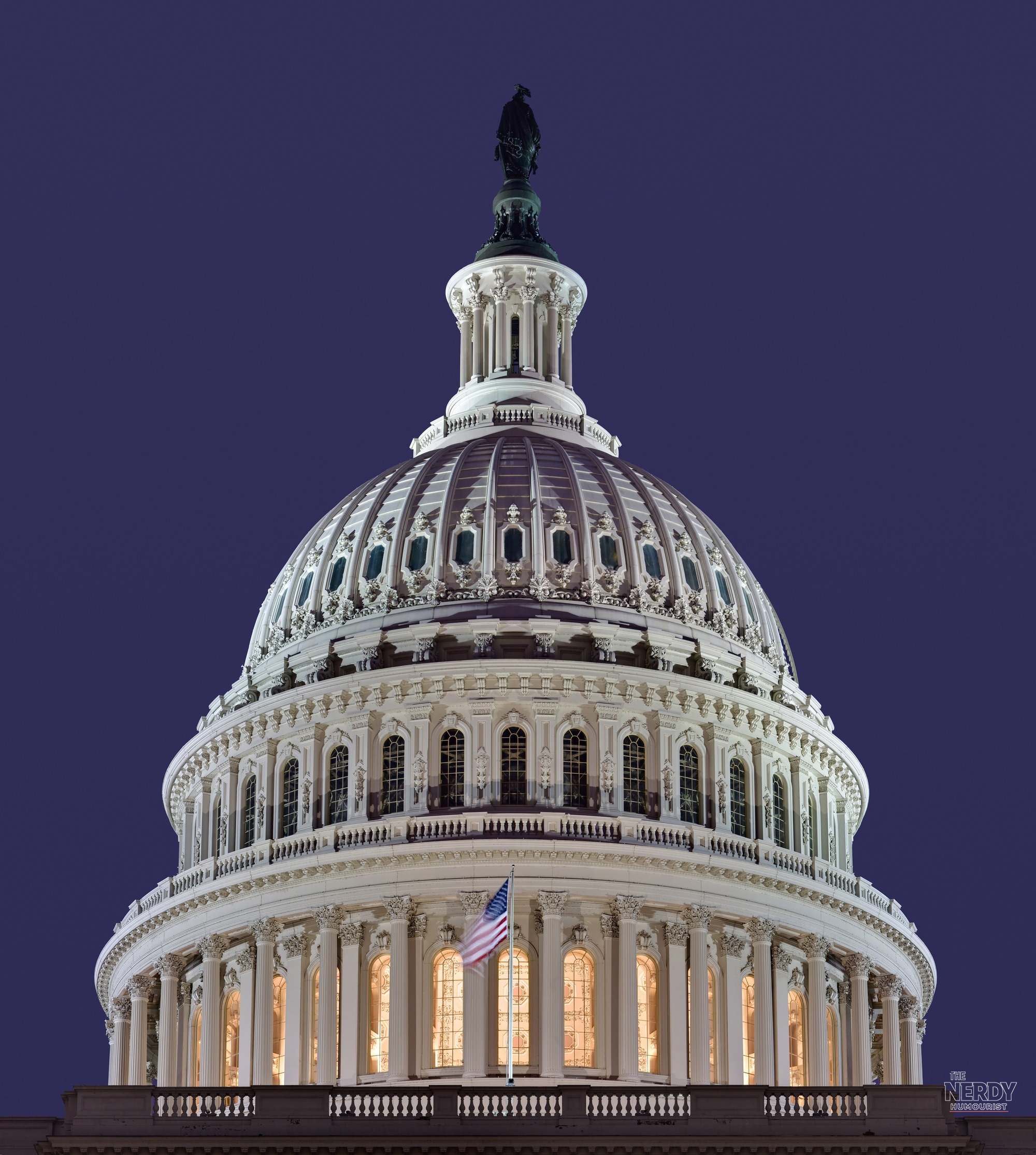
The 2026 midterm election results began to take shape on election night, but they didn’t settle the biggest question. Democrats picked up a string of early wins in Senate, governor and House races called on November 3, while control of Congress stayed unprojected as counting continued into the night. Ahead of polling day, this preview looked at what was at stake (link to https://thenerdyhumourist.com/us-midterm-election-day-2026-voting-whats-at-stake/).
That split is the honest way to read the night so far: early Democratic wins, no call on control. Many races hadn’t been called when these early snapshots were published, and totals were still moving as more ballots were counted. Anyone claiming a House or Senate majority on the basis of this early snapshot would be getting ahead of the count, because neither chamber had been projected yet.
What the 2026 midterm election results show so far in the Senate
Georgia gave Democrats their most closely watched early Senate win. Sen. Jon Ossoff, a Democrat, won reelection after beating Rep. Mike Collins, according to the Associated Press. Nikkei’s live coverage, citing the AP, reported that the race was called at about 7:55 p.m. ET on November 3 (link https://asia.nikkei.com/politics/u.s.-midterm-elections/u.s.-midterms-live-democrat-ossoff-holds-key-georgia-senate-seat). It’s the kind of result both parties had circled for months, and it landed early enough to set the tone for the evening’s coverage.
Virginia delivered another Democratic hold at the top of the night. Sen. Mark Warner, a Democrat, won reelection after beating Bert Mizusawa, with the AP calling the race at poll close, according to live reporting. New Hampshire’s open seat also went to the Democrats, where Rep. Chris Pappas, a Democrat, beat former Sen. John E. Sununu. That seat had been held by retiring Sen. Jeanne Shaheen, so Pappas’s win kept it in Democratic hands rather than flipping it.
Rhode Island rounded out the early Senate calls listed here, with Sen. Jack Reed, a Democrat, winning a sixth term. Taken together, these four results gave Democrats a clean start in the Senate races called early, though they said nothing by themselves about who would end up with a majority. A handful of called seats can’t decide a chamber, and plenty of contests were still uncalled.

What the 2026 midterm election results show so far for governors
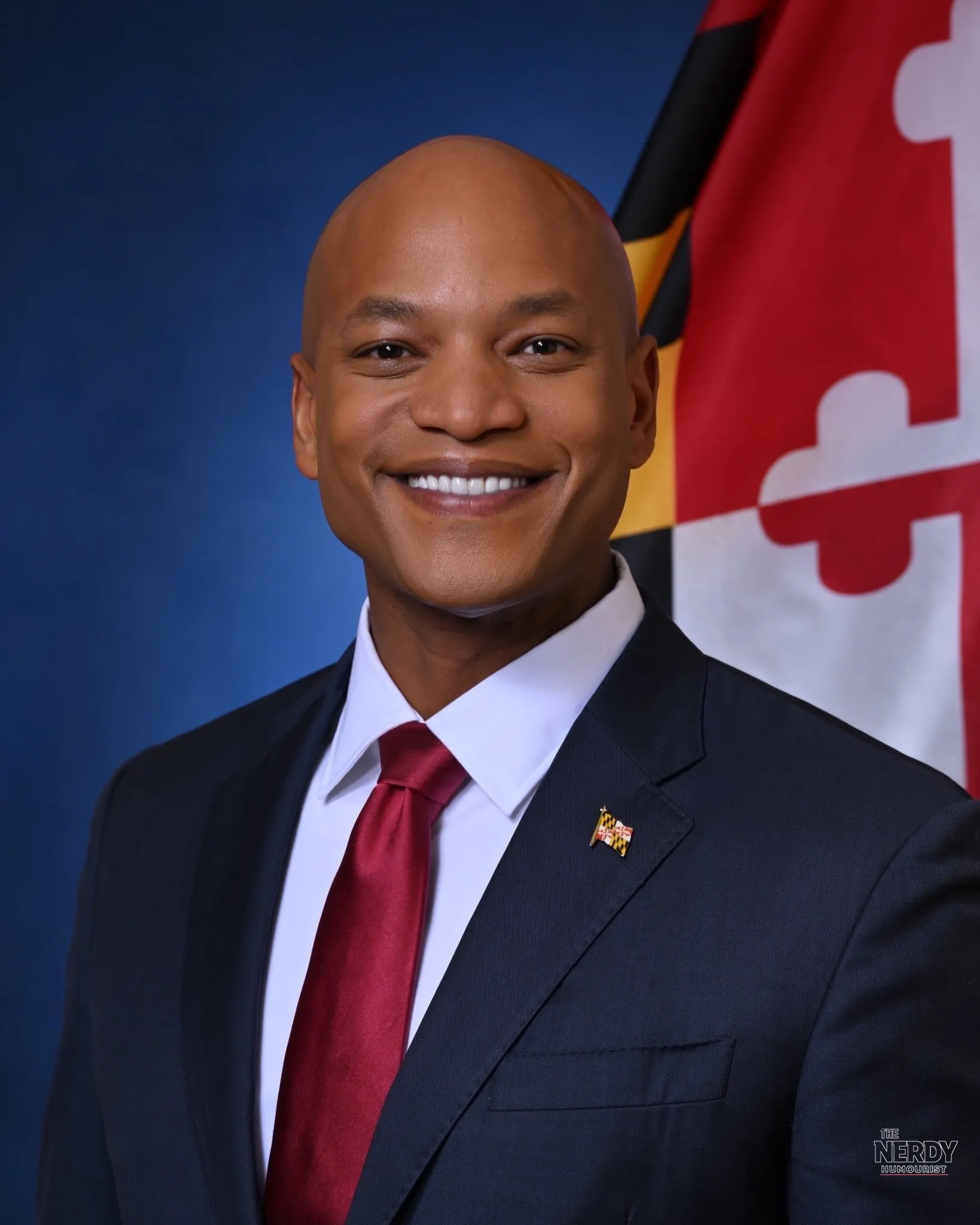
Maryland and Pennsylvania both stayed with Democratic governors in the early calls. Gov. Wes Moore, a Democrat, won reelection in Maryland after beating Dan Cox, according to early reporting. Gov. Josh Shapiro, a Democrat, won reelection in Pennsylvania after beating Stacy Garrity. Both races had been watched as tests of incumbent strength in states where governors carry real weight in the national conversation, and both incumbents held on.
Ohio was a different story on election night, at least in the early hours. The governor’s race there, pitting Vivek Ramaswamy, a Republican, against Amy Acton, a Democrat, was too early to call, according to the Fox News Decision Desk. That label matters, because it means the available count at that point didn’t support a projection for either candidate. It doesn’t mean the race was tied, and it doesn’t mean one side was ahead in a way the desk was willing to call. It means, quite simply, that the desk wasn’t ready to say.
House races called so far, and the early count
Florida produced several early House calls, with a mix that cut against any simple story. Rep. Kathy Castor, a Democrat in the 14th District, was projected to win by CNN, according to live results coverage. Rep. Jared Moskowitz, a Democrat in the 25th District, beat Scott Singer. Pia Dandiya, a Democrat in the 22nd District, was also projected to win by CNN. Yet Florida also gave Republicans an early win, as Jim Schwartzel won the 19th District, according to the AP. That single Republican call was a reminder that election night wasn’t running one way in every district, even as Democrats banked several early projections.
Georgia’s early House calls leaned Democratic in the races listed here. Rep. Sanford Bishop, a Democrat in the 2nd District, was projected to win, as were Rep. Nikema Williams, a Democrat in the 5th District, and Jasmine Clark, a Democrat in the 13th District, according to projections cited in live coverage. None of those calls, on their own, decided the House. They added to a Democratic tally that was still far short of the 218 seats needed for a majority, with hundreds of districts still to be called.
The early tallies underline just how incomplete the picture was. At about 8:19 p.m. ET, a tracker at politicselections.com, drawing on NPR-AP data, showed House seats projected at 25 for Democrats and 13 for Republicans out of 435. Its Senate projection at the same point showed 7 for Democrats and 0 for Republicans out of 35 contested seats. Democrats entered the night needing a net gain of three House seats and four Senate seats to take control, according to the same tracker. Those thresholds are worth keeping in mind, because they show how much ground still had to be covered after the first wave of calls.
What voters were saying, and how many voted early
CBS exit polls gave a blunt read on the national mood, and it wasn’t cheerful. About three-quarters of voters said they were dissatisfied with the country’s direction, according to CBS exit polling cited in live coverage. Cost of living came out as the top concern for voters in those polls. That finding doesn’t explain any single race, since local candidates, local issues and turnout patterns all shape individual contests, but it does help explain why both parties spent so much of the campaign talking about household costs.
Early voting had already been heavy before Election Day itself. About 59.1 million people voted early, according to the University of Florida Election Lab. That figure covers ballots cast before November 3 through early and mail voting options, and it meant a large share of the electorate had already made up its mind before the first results came in. It also meant election officials in many places were counting a big pile of ballots alongside the Election Day vote, which is one reason full results take time.
What remains undecided
Here’s where things stand, stated plainly: control of neither the House nor the Senate had been projected in the reporting used for this snapshot. The early wins listed above are real, and they’re attributed to the AP, CNN or the Fox News Decision Desk where a projection existed. Everything beyond those calls should be treated as unconfirmed or too early to call at this stage. That’s not a hedge for its own sake. It’s the difference between a called race and a race that’s still being counted, and blurring that line would mislead readers.
As more results come in, the projected tallies will move, sometimes quickly. Seats that looked safe in early returns can tighten, and races that looked close can break one way once a new batch of votes is reported. Readers should check back for updated calls rather than treating this early snapshot as a final result. For now, Democrats can point to a strong opening run in the races called first. They can’t yet point to a majority in either chamber, because the count hasn’t given them one.
FAQ
Has control of Congress been decided? No. Control of neither the House nor the Senate had been projected in the early reporting used here, and many races were still uncalled.
What did the early projected counts show? At about 8:19 p.m. ET, the politicselections.com tracker, drawing on NPR-AP data, showed 25 House seats projected for Democrats and 13 for Republicans, plus 7 Senate seats projected for Democrats and 0 for Republicans.
Which governor races were called early? Maryland’s Wes Moore and Pennsylvania’s Josh Shapiro, both Democrats, won reelection in the early calls. Ohio’s governor race was too early to call, according to the Fox News Decision Desk.
Why are so many races still uncalled in an early snapshot? Because counting was still under way and several contests hadn’t been called by the AP, CNN or the Fox News Decision Desk at that point. Early snapshots capture the first wave of calls, not the final tally.


Leave a Reply
You must be logged in to post a comment.