

The midterm election aftermath arrived fast, and it arrived loud. By Wednesday morning, Democrats had taken both chambers of Congress, President Donald Trump was conceding that the war in Iran cost his party votes, his vice president was saying it far more bluntly, and the Republican speaker of the House was walking away from the leadership job. One election night rewrote the map of Washington. The day after rewrote the pecking order inside the party that lost it.
Start with the headline result. Democrats flipped at least seven Republican-held Senate seats — in Texas, Ohio, Iowa, Kansas, Maine, North Carolina and South Carolina, according to projections — and more than two dozen House seats, including districts Trump had carried by double digits in 2024. The Associated Press had projected at least 54 Senate seats and 228 House seats for Democrats by early Wednesday, according to Haaretz, with several races still undecided. Not a final certified count. But the balance of power was settled: Republicans lost the House, the Senate, and the governing trifecta they’d held since January 2025.
It was, by one measure, a historic night. According to the Economic Times, Democrats posted their strongest Senate showing since 2008. The flips landed in states that hadn’t sent a Democrat to the Senate in decades — Kansas since 1932, Texas since 1988, USA Today reported — and the party also picked up five new governorships, in Nevada, Texas, Iowa, Ohio and Georgia, per Le Monde’s tally.
Midterm election aftermath: Trump says the Iran war cost votes — but he’d do it again
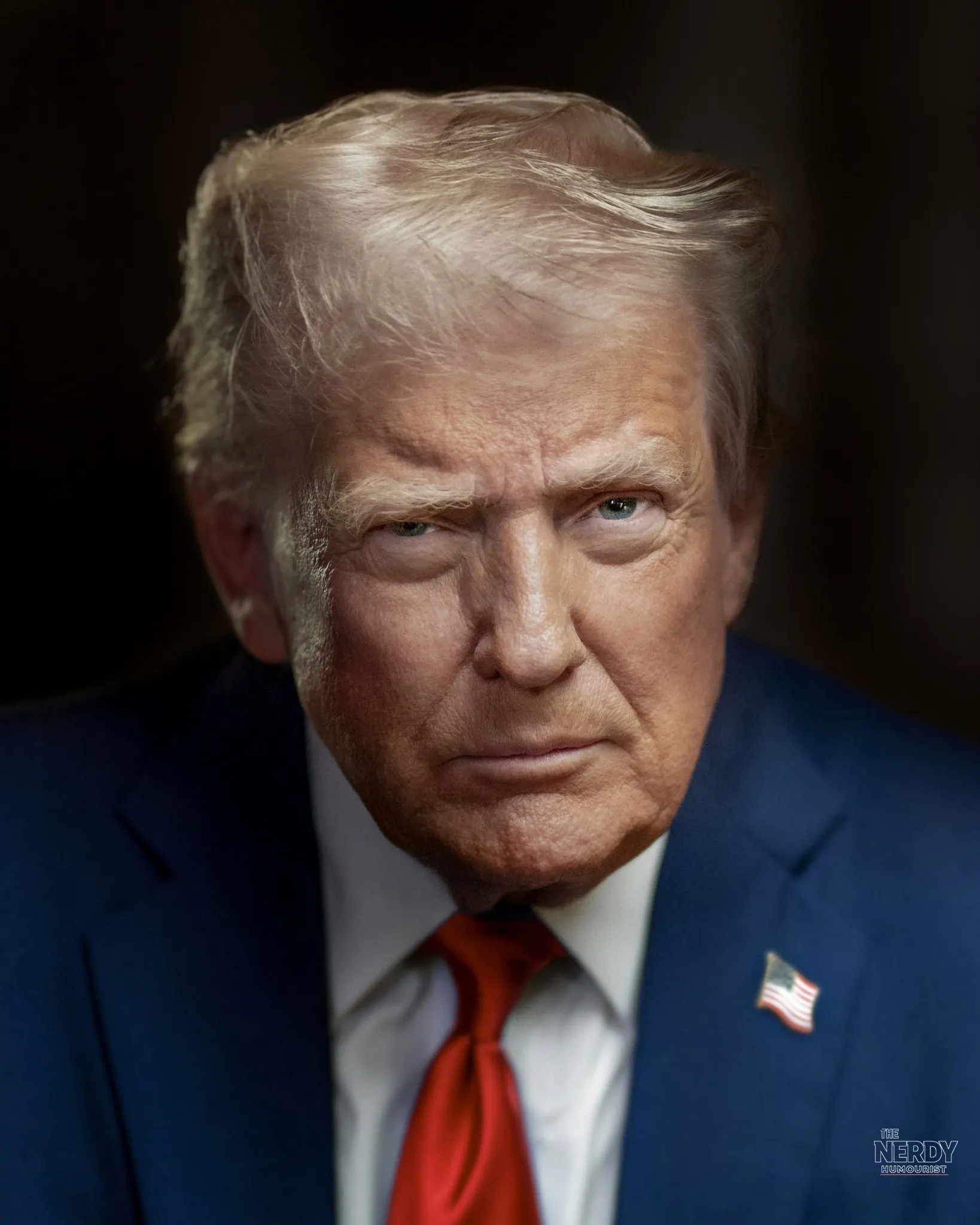
Trump didn’t wait long to address the damage. In a Fox News interview on Tuesday night, he said, “I think a part of it was Iran,” according to Haaretz, adding that stopping Iran from getting a nuclear weapon would matter more, historically, than one election night. By Wednesday morning he had sharpened and softened the point at once. Responding to Vance’s charge, Trump told reporters the claim was “largely true” because the war “drove the gasoline up a little bit for a short term,” according to the Economic Times. Then the line he wanted on the record: “You can’t let Iran have a nuclear weapon. You have no choice.”
He wasn’t done. “The Iran thing we had to do, and we continue to do it,” Trump said during an unplanned walk with reporters on Wednesday, according to Reuters. He also told the Wall Street Journal, “I did the right thing. I would have done it again.” Notice the split. Yes, the war hurt. No, he doesn’t regret it. Gas prices, not the war itself, were the main reason for the defeat, in his telling.
The war’s costs are now public and ugly. Reuters reported last month that the US military had spent more than $47 billion on the war, over 25% above the Defense Department’s July estimate. Per the Pentagon’s casualty system, cited by Military Times, more than 860 troops have been wounded and at least 23 killed since February 28. And the AP Voter Poll, surveying more than 100,000 voters, found about 6 in 10 said the US made the wrong decision on Iran, according to Goodreturns.
Vance breaks ranks — and Trump lets him
Vance went further than Trump, and he did it in public. “The reason we lost is the war,” the vice president wrote in a lengthy post on X on Wednesday morning, according to Reuters. “If you’d like to argue it was worth it, that losing the Senate for the next 6 years was worth it, then do so.” He added that an earlier recommendation to end the war had been “sound advice,” Reuters reported. For Trump’s likely political heir, it was the closest he has come to openly criticizing the president he serves.
His post also carried a pollster’s readout that stung. Vance said a pollster told him many Trump 2024 voters were angry and planned to vote Democratic. Asked what would bring them back, those voters gave four answers, Vance wrote: end the war, focus on the cost of living, put America first, and change the relationship with Israel. “Our voters showed up,” he wrote, according to Haaretz. The problem, in his telling, wasn’t turnout.
Trump’s reaction was, by his standards, restrained. He called Vance’s post “good” and said, “I know how he feels about it,” according to Reuters. A Trump aide told the New York Post the president had been briefed beforehand and had no issues with it. Still, Trump couldn’t resist a jab: he told listeners Vance “maybe he won’t run” for president in 2028, the Post reported.
Meanwhile, Reuters reported Wednesday that Republican allies and strategists were calling on Trump to shake up his personnel and scrap policies they blamed for the losses, including the Iran war and tariffs. One unnamed official told Reuters internal polling had warned six weeks out that Republicans were headed for losses in both chambers, and that Trump refused to change course on Iran despite those warnings. That’s an unconfirmed, anonymously sourced claim. Read it as one.
Johnson steps aside as House Republicans pick a new leader
The leadership fallout hit the House first. Speaker Mike Johnson told his staff on Wednesday morning that he won’t seek to stay on as the top House Republican in the new Congress, according to AP reporting carried by The Week, and his spokesman confirmed the decision to AFP in a one-word email: “Accurate.” Johnson, 54, had led the House since October 2023, after Kevin McCarthy’s ouster. He’ll keep his Louisiana seat — he won reelection Tuesday — but give up the leadership post, staying on as a rank-and-file member when the new Congress convenes in January, AP reported.

His own letter to colleagues, obtained by Axios, didn’t mention the defeat. Johnson wrote that leadership had demanded “significant sacrifices” from his family and that “the time has come for me to give them more of the attention and presence they so richly deserve.” That’s his stated reason. The timing — less than a day after Democrats took the House — tells its own story.
So who replaces him? The contest is already taking shape. House Majority Leader Steve Scalise and Judiciary Committee Chairman Jim Jordan both launched bids on Wednesday, according to the Daily Caller, and House Republicans elect their new leader on November 10, NPR reported via WCMU. Both men ran for speaker after McCarthy’s ouster in 2023 and lost to Johnson. Now they’ll face off again, this time for the minority leader’s job.
On the other side of the aisle, the gavel is headed to Democrats. House Democratic Leader Hakeem Jeffries of New York is expected to be nominated for speaker, and he would become the first Black speaker of the House if elected when the new Congress convenes on January 3, 2027. House Democrats hold their leadership elections beginning November 18, Al Jazeera reported.
What happens next? Expect investigations — Democrats have made no secret of that, and a House majority gives them subpoena power. Expect a fight over war funding, too: a Democratic Congress holding the purse strings can challenge how Trump finances the Iran war. And expect the Iran debate inside the Republican Party to keep boiling. Vance opened that door on Wednesday. Others will walk through it.
One caution before the dust settles: this story isn’t finished. Several races remained uncalled Wednesday afternoon, and the leadership votes on November 10 and November 18 could still surprise. What is certain is the shape of the next two years. Trump will govern against a Democratic Congress for the first time in his second term. His vice president just blamed his war for losing it. And his House speaker just walked away.
For the full early picture, see our election-night results coverage, and for what was at stake before polls closed, our Election Day guide.
FAQ
Did Democrats really win both chambers?
Yes, per projections from Decision Desk HQ, NBC and the Associated Press on November 4. Final certified totals weren’t complete Wednesday afternoon — some races were still uncalled — but control of both chambers was settled.
Why did Republicans lose?
The Iran war and the cost of living. About 6 in 10 voters told the AP Voter Poll the US made the wrong decision on Iran, and Vance cited a pollster who found defecting Trump 2024 voters wanted the war ended and prices brought down.
What did Vance actually say?
On X on Wednesday morning, Vance wrote, “The reason we lost is the war,” arguing that losing the Senate for six years was the price of it. Trump called the post “good” — but defended the war and said he’d do it again.
What happens to Mike Johnson now?
He stays in Congress as a Louisiana representative but won’t lead House Republicans. Scalise and Jordan are running to replace him; the leadership vote is November 10. Democrat Hakeem Jeffries is in line to become speaker on January 3, 2027.


Leave a Reply
You must be logged in to post a comment.