
The South Korea Ukraine North Korean POW apology dispute erupted on September 27, when Seoul’s presidential office demanded an official explanation and apology from Kyiv, accusing Ukraine of unilaterally disclosing the transfer of two North Korean prisoners of war to South Korea — and then falsely denying that the two sides had agreed to keep the move confidential. Reuters reported that the rare public rebuke signals a serious strain between two governments that have cooperated closely since North Korean troops began fighting for Russia.
“The presidential office expresses strong regret over Ukraine’s unilateral disclosure and its subsequent false announcement that there had not been a non-disclosure agreement,” Seong Ghi-hong, senior presidential secretary for public relations, said in a statement released on Sunday. He added that the government was reviewing additional measures over the issue if necessary.
South Korea Ukraine Row Centers on Broken Confidentiality Deal
At the heart of the dispute is a disagreement over what the two governments agreed — and what Ukraine later denied. According to Seoul, Ukraine had repeatedly discussed the prisoners’ transfer with South Korea through various channels and had itself requested secrecy, arguing that public disclosure could trigger domestic criticism that Kyiv had given up an opportunity to exchange the soldiers for Ukrainian prisoners.
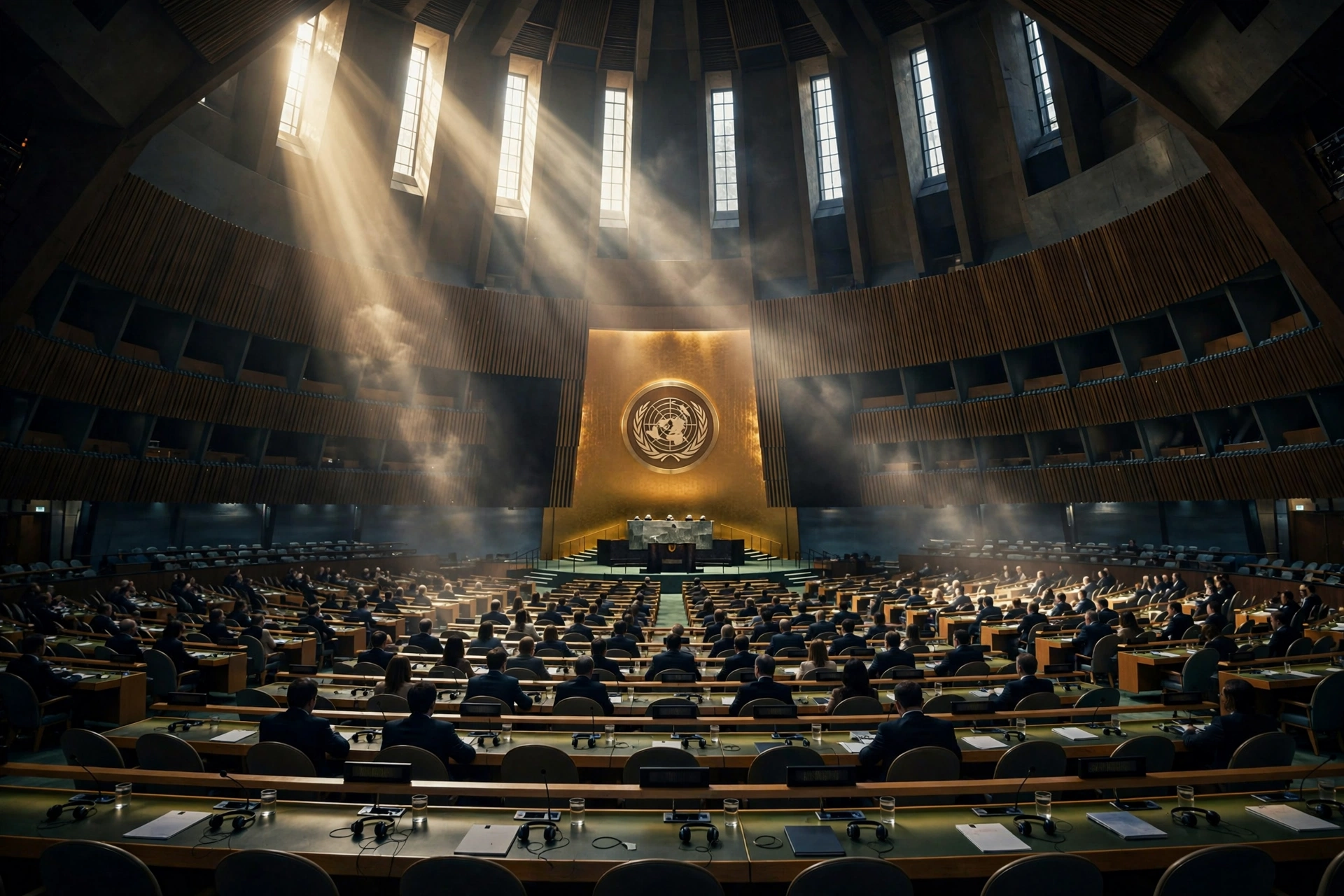
South Korea agreed to keep the transfer confidential, citing security, diplomatic and humanitarian concerns — including the safety of the prisoners and their families, Seong said. But Ukraine later disclosed the transfer in President Volodymyr Zelenskyy’s address to the United Nations General Assembly last week, without what Seoul described as sufficient prior consultation, and subsequently denied the existence of any confidentiality agreement.
Seong said the denial had seriously damaged trust between the two governments and could harm bilateral relations. Ukraine’s embassy in Seoul did not immediately respond to a Reuters request for comment, leaving Kyiv’s side of the story unheard as of publication.
North Korean POW Transfer: What We Know
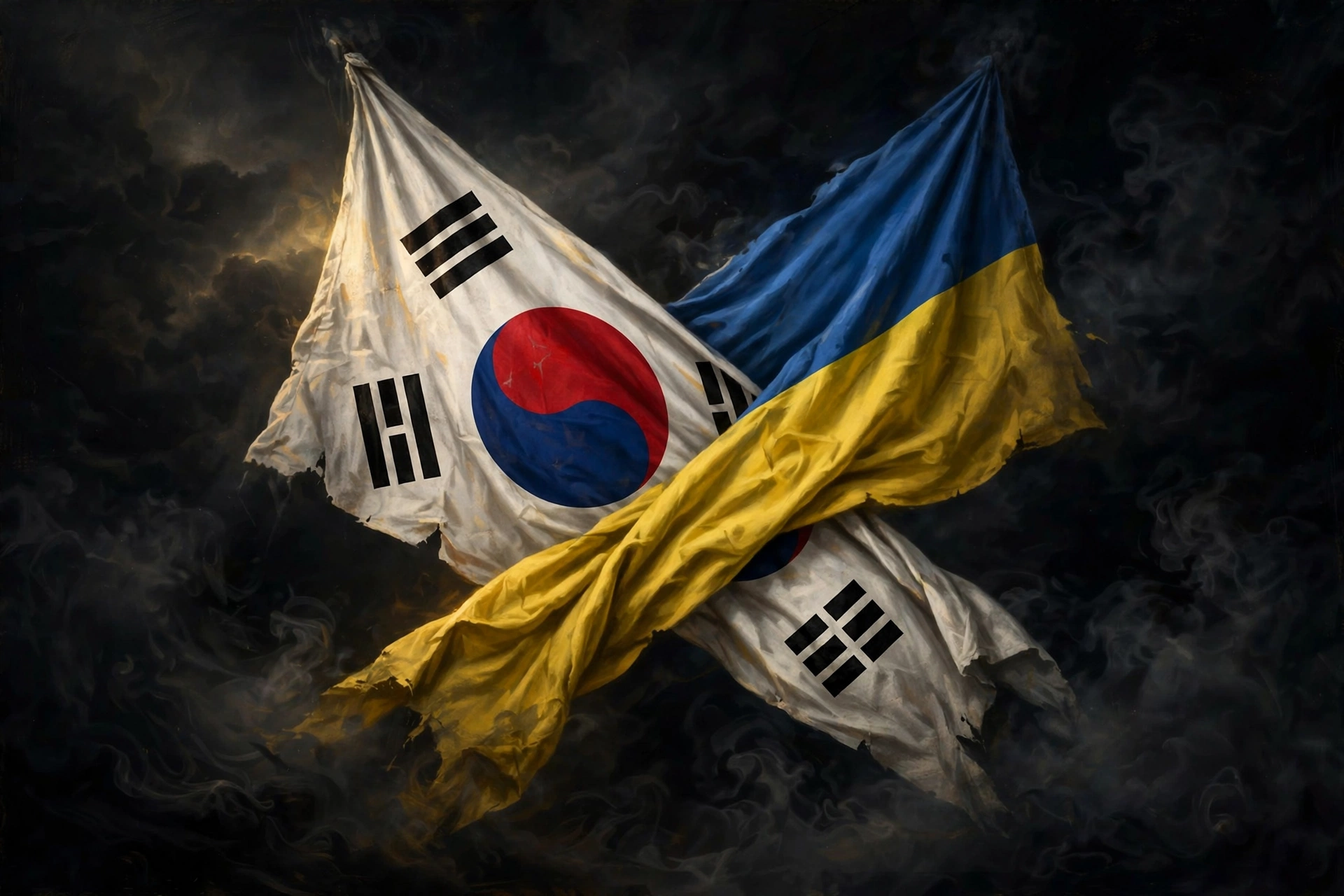
The underlying facts of the transfer itself are not in dispute. Zelenskyy told the United Nations General Assembly last week that Ukraine had transferred two captured North Korean soldiers to South Korea, saying the men had recently been sent there after being captured while fighting for Russia in the war against Ukraine.
The two soldiers are among the North Korean troops whose deployment to support Russia’s invasion of Ukraine has redrawn the diplomatic map in East Asia. Their capture gave Ukraine leverage — and gave South Korea, which treats North Korean defectors and captives as citizens under its constitution, a humanitarian and intelligence interest in taking custody of them.
What remains contested is the handling. Seoul’s account paints a picture of a carefully negotiated, deliberately secret arrangement — driven by concerns for the prisoners’ families back in North Korea, where relatives of defectors can face severe punishment — that Kyiv then blew open for its own political purposes at the UN, and about which it is now, in Seoul’s telling, being untruthful.
Why the South Korea Ukraine Apology Demand Matters
Public demands for apologies between friendly governments are rare, and this one cuts at a relationship that has been strategically important for both sides. South Korea has been one of Ukraine’s most significant Asian partners, and the North Korean troop deployment to Russia gave the two countries a shared, urgent interest: tracking Pyongyang’s military involvement and managing the prisoners it produced.
The row also exposes the tension between Ukraine’s wartime information strategy and the quieter diplomatic needs of its partners. Kyiv has consistently used public disclosures — of Russian losses, of North Korean involvement, of allied support — to sustain international attention and pressure. Seoul, by contrast, had reason to want this particular transfer handled silently: the safety of the prisoners’ families, the sensitivity of intelligence debriefings, and the risk of domestic political blowback in both capitals.
For South Korea’s President Lee Jae Myung, the episode is also a test of diplomatic credibility. A government that agrees to a confidentiality arrangement and then sees its partner deny the arrangement existed will find it harder to negotiate sensitive deals in the future — whether with Ukraine or anyone else. That is likely why Seoul escalated to a public demand rather than keeping the complaint behind closed doors.
What Happens Next After the Apology Demand
Seong’s statement that the government is “reviewing additional measures” leaves Seoul’s next steps deliberately vague — a classic diplomatic formulation that keeps pressure on Kyiv without specifying consequences. In practice, the options range from a formal diplomatic protest to a cooling of intelligence cooperation on North Korean troop movements.
Ukraine, for its part, has not yet responded publicly. How Kyiv handles the demand will be watched closely: an acknowledgment of the confidentiality understanding could defuse the row, while a continued denial risks a deeper rupture with a key partner. The fact that the embassy in Seoul declined immediate comment to Reuters suggests Kyiv is still calibrating its response.
The dispute adds to a crowded season for alliance diplomacy. As our report on the Trump–Xi weapons exchange notes, Washington has spent the same week defending its own arms commitments and alliance management in public — a reminder that the diplomacy of the Ukraine war now stretches from the UN General Assembly podium to quiet prisoner-transfer deals in Seoul.

South Korea Ukraine North Korean POW Apology: FAQs
Q: Why is South Korea demanding an apology from Ukraine?
A: Seoul accuses Kyiv of unilaterally disclosing the transfer of two North Korean POWs to South Korea — revealed by Zelenskyy at the UN General Assembly — and then falsely denying the two sides had agreed to keep the transfer confidential, Reuters reported.
Q: Who are the two North Korean prisoners?
A: They are two North Korean soldiers captured while fighting for Russia in the war against Ukraine, who were recently transferred to South Korea, according to Zelenskyy’s UN address.
Q: Why did South Korea want the transfer kept secret?
A: Seoul cited security, diplomatic and humanitarian concerns, including the safety of the prisoners and their families. Ukraine itself had initially requested secrecy, fearing domestic criticism that it gave up a prisoner-exchange opportunity, according to Seoul’s statement.
Q: Has Ukraine responded to the apology demand?
A: Not publicly as of publication. Ukraine’s embassy in Seoul did not immediately respond to a Reuters request for comment.
