
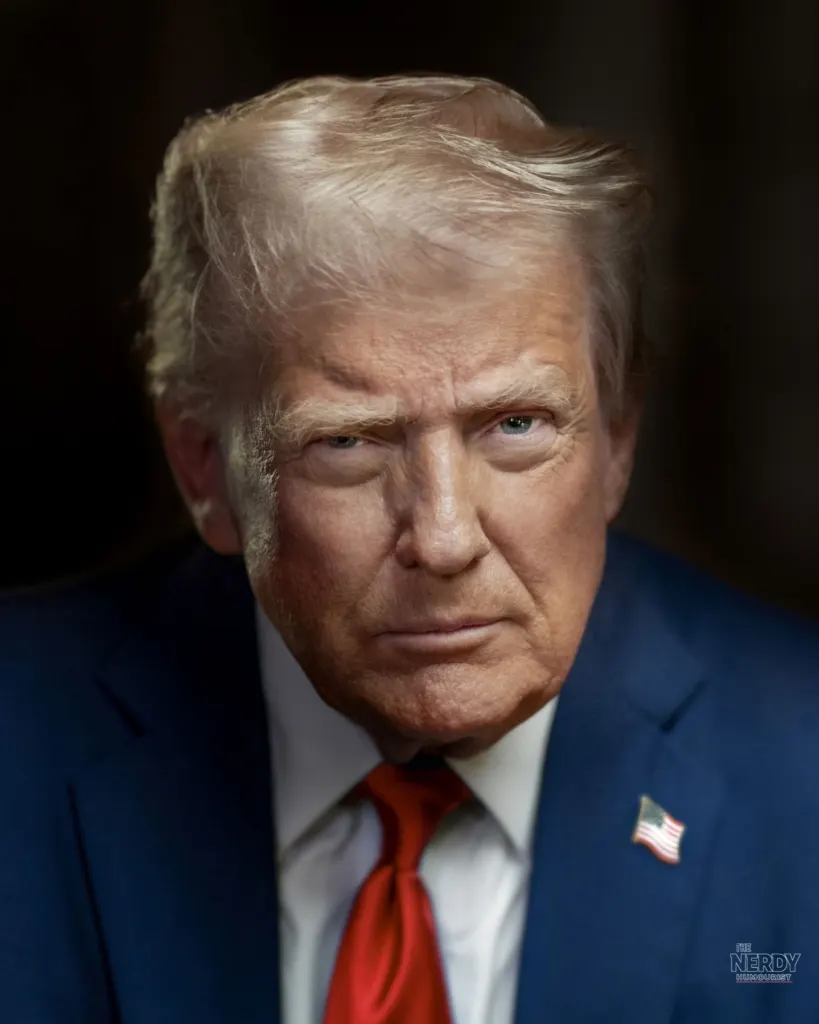
President Donald Trump said Saturday that he would work with the incoming Democratic Congress to pass a credit card interest rate cap of 10 percent, reviving a promise from his 2024 campaign that he could not get through a Republican Congress. He made the pledge in an interview on Fox News Channel’s “Saturday in America,” telling the network, “I would do it. These credit card companies have made a lot.”
It was a striking moment. A Republican president, on national television, asking a Democratic Congress to help him take on the banks.
The idea isn’t new. Trump floated a 10 percent cap during the 2024 campaign, then raised it again in January as part of the White House’s affordability push. Both times it went nowhere. This time, the politics look different. Democrats swept the midterm elections on November 3 and will control both the House and the Senate when the new Congress convenes in January. And the Democrat expected to run the Senate Banking Committee has wanted a cap for years.
Why the credit card interest rate cap stalled the first time
Two forces killed it. The banks pushed back hard, and Trump’s own party didn’t want it.
When Trump proposed the cap in January, banks and credit card companies opposed it right away and aggressively, according to the Associated Press. Their argument was blunt: a cap would force them to cancel cards for poorer and less creditworthy customers, or slash the rewards they offer when people spend. The industry framed it as a choice between cheap credit for some and no credit at all for others.
Republicans weren’t keen either. The proposal “did not sit well with Republicans,” the AP reported, and the GOP-controlled Congress made little effort to carry out Trump’s promise. For a party that usually resists price controls, a federal cap on what private companies can charge was a hard sell — even when the president asking for it was one of their own.
Senator Josh Hawley of Missouri, a Republican, kept the idea alive anyway. He has proposed several caps on credit card interest rates, most recently this year when Trump made his January proposal. “Congress should pass my bipartisan bill to cap these rates and deliver relief right away,” Hawley said at the time.
A bill from Senators Bernie Sanders and Hawley, introduced in February 2025 with co-sponsors from both parties, would cap rates at 10 percent. As of November 2026, neither that bill nor any rival version has passed, according to Nolo, which tracks the legislation.
What a credit card interest rate cap would cost — and save
Here’s the scale of it. About 195 million people in the United States had credit cards in 2024, and they were charged $160 billion in interest that year, the Consumer Financial Protection Bureau says. Americans now carry about $1.23 trillion in credit card debt, according to figures from the New York Federal Reserve.
And the price of that debt is steep. The median credit card interest rate is roughly 22.2 percent, according to an August survey by the New York Federal Reserve. Federal Reserve data released in November put the average rate on accounts that were actually charged interest at 22.36 percent in the third quarter of 2026, with many cards — especially those for people with lower credit scores — charging well above 25 percent, according to Nolo.
A 10 percent cap would cut those rates by more than half for the typical borrower.
Researchers who studied Trump’s campaign pledge after it was first announced found that Americans would save roughly $100 billion in interest a year if credit card rates were capped at 10 percent, the AP reported. The same researchers found the credit card industry would take a major hit but would still turn a profit — though rewards and other perks might get scaled back.
That’s the trade-off at the heart of the fight. Borrowers would keep a lot more of their money. Cardholders who live on cash back, travel points and sign-up bonuses might get less of it.
Democrats are already on board
The politics shifted the moment the midterms were called. Democrats won control of both chambers in the midterms, and the new majorities take over in January.
Senator Elizabeth Warren of Massachusetts, who is expected to be the next chair of the Senate Banking Committee, has said repeatedly she wants to cap rates. She responded to Trump’s Fox News interview within hours. “Let’s cap credit card interest rates and save Americans money,” Warren said.
Other Democrats have backed the idea in various forms, the AP reported, including Representative Maxine Waters of California, a senior Democrat on the House Financial Services Committee.
That gives the proposal something it never had before: a committee chair on one side who wants it, and a president on the other side who says he’ll sign it. Warren would control the Banking Committee’s agenda in the new Senate. A cap bill would have to go through her.
What happens in January
Nothing can happen until the new Congress is seated. And even then, a cap needs a law. The president can’t impose a cap on his own, despite the forceful language of his posts and interviews — that kind of move would require an act of Congress, according to Nolo’s legal analysis.
Trump himself has framed it that way at times. At the World Economic Forum in Davos, he said he was “asking Congress to cap credit card interest rates at 10% for one year,” Nolo reported. The one-year limit matters. The January proposal was for a temporary cap, not a permanent one. Whether a bill in the new Congress would keep that limit is still an open question.
The details will decide the fight. A one-year cap is easier for the industry to swallow than a permanent one. A bill that phases in slowly is easier than one that takes effect at once. And the banks will lobby hard on every line, just as they did in January.

For now, though, the shape of the deal is clear enough. A Republican president who campaigned on affordability. A Democratic Congress that just won on the same issue. A committee chair who has wanted a cap for years. And 195 million cardholders paying some of the highest interest rates in modern American history.
Trump couldn’t get it done with his own party in charge. In January, he’ll get to try with the other one.
FAQ
Can Trump cap credit card rates on his own?
No. The president has no authority to impose a nationwide cap without new legislation from Congress, or an agreement from the card companies themselves. A bill has to pass both chambers and reach his desk for a signature.
How much would a 10% cap save borrowers?
Researchers who studied Trump’s campaign pledge estimated Americans would save roughly $100 billion a year in interest. The industry would still be profitable, the researchers found, though rewards and perks might shrink.
What is the average credit card rate right now?
The median rate is about 22.2%, according to an August survey by the New York Federal Reserve. Federal Reserve data released in November put the average rate on accounts charged interest at 22.36% in the third quarter of 2026, with many cards charging well above 25%.
When could a bill actually pass?
Not before January, when the new Democratic-controlled Congress convenes. Senator Elizabeth Warren, expected to chair the Senate Banking Committee, has said she wants a cap, and Trump has said he’ll work with Democrats on it. No bill text has been agreed yet.


Leave a Reply
You must be logged in to post a comment.