
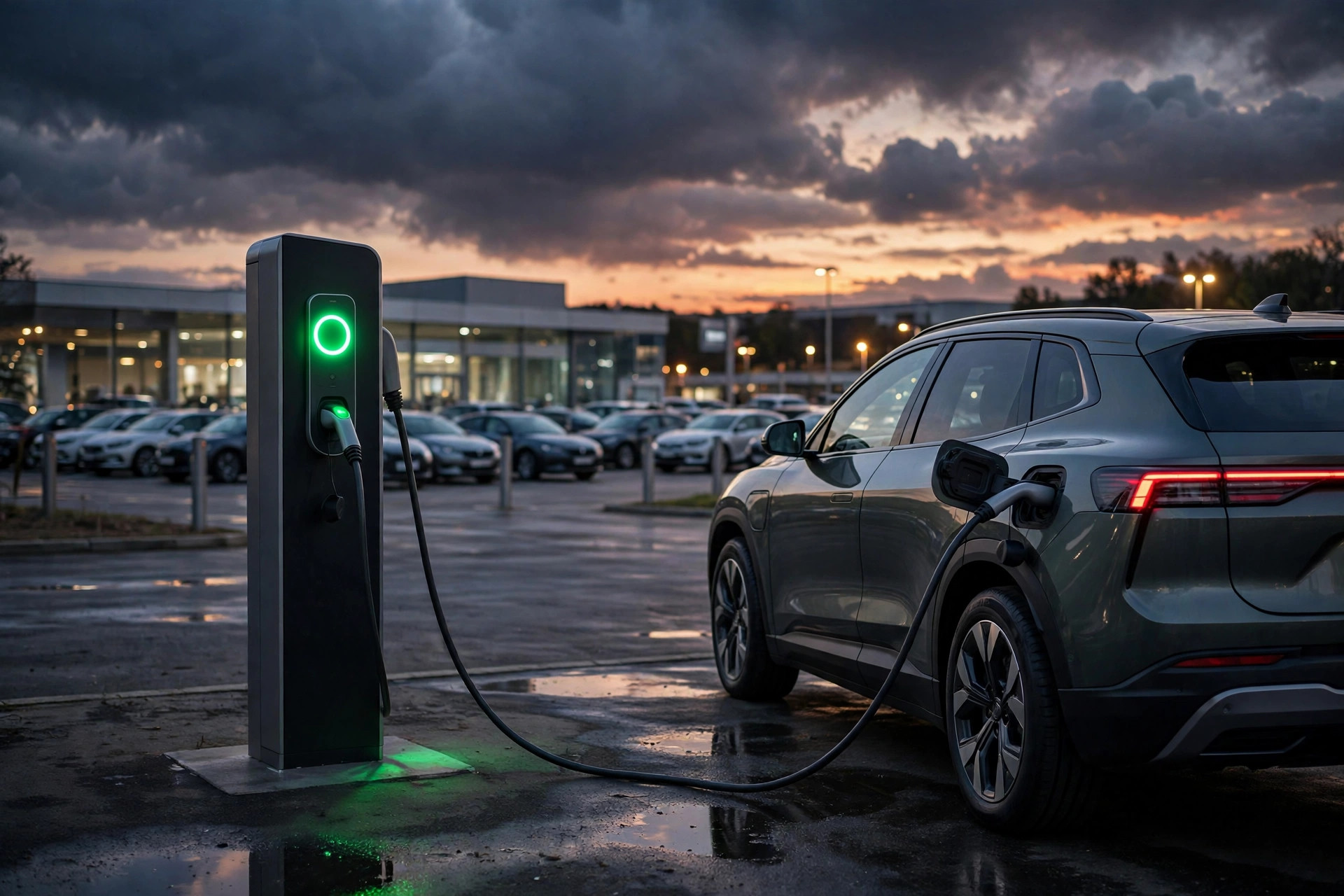
With the ev tax credit expires september 30 deadline just days away, American car buyers are rushing to dealerships in what industry watchers describe as an unprecedented end-of-incentive buying frenzy. The federal EV tax credit — worth up to $7,500 for qualifying new electric vehicles and up to $4,000 for used ones — ends on September 30, 2026, cut short years ahead of schedule by the One Big Beautiful Bill Act after originally being set to run through 2032.
The result has been a sales explosion. CARFAX reports that the pace of EV and hybrid sales has accelerated by roughly 30 percent since the summer, with prices holding stable. Cars.com data released September 18 showed demand up 33 percent for new EVs compared with a year ago and 22 percent for used EVs. And in the words of TrueCar analyst Matt Jones, speaking to NPR via The Public’s Radio: “The past couple of weeks — even in the past several days — EV sales just exploded… It’s been bonkers.”
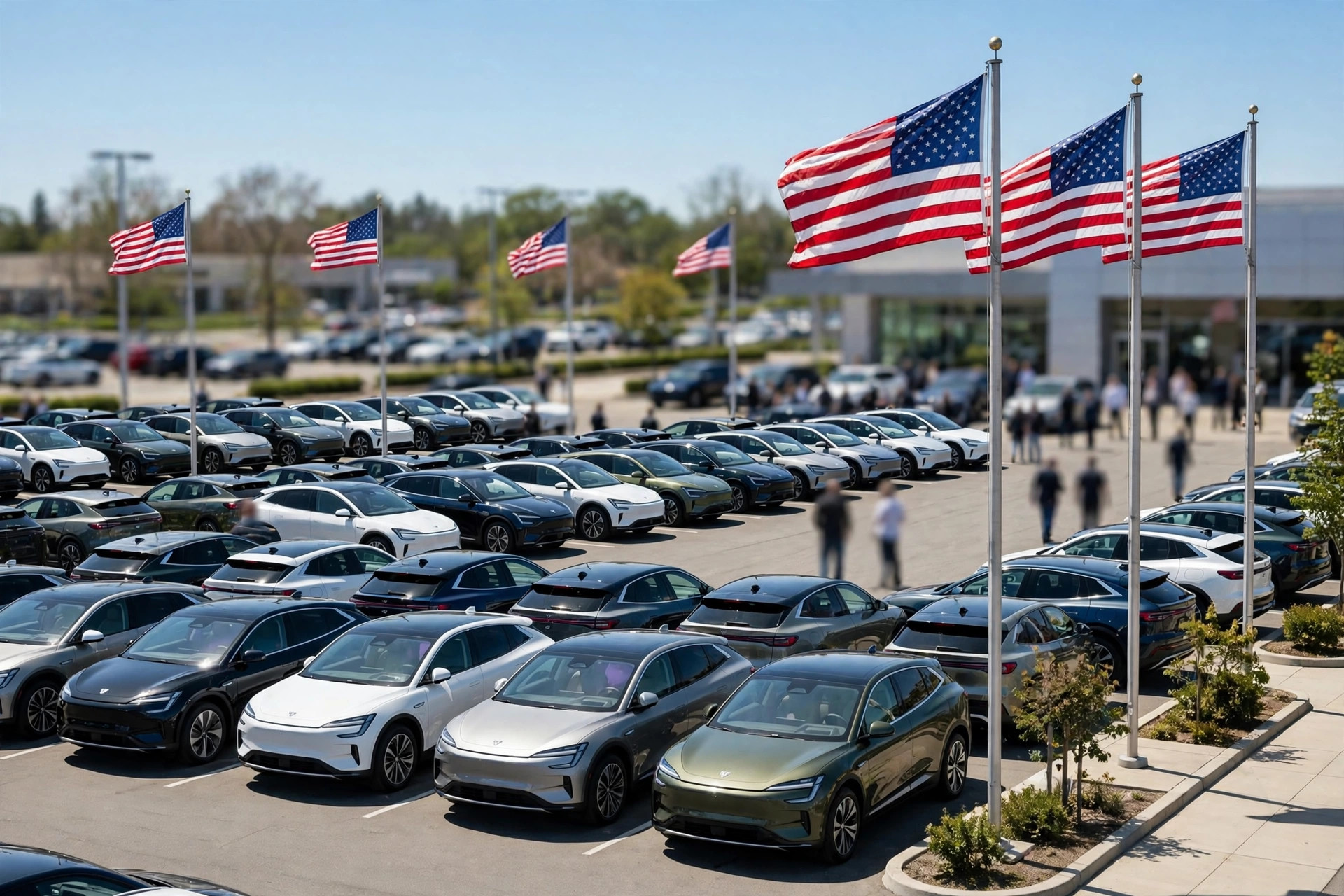
What the EV Tax Credit Expires September 30 Deadline Actually Requires
The most important fine print around the ev tax credit expires september 30 cutoff comes from the IRS, which clarified that buyers do not need to take delivery by September 30 to qualify. Instead, according to InsideEVs, a buyer needs a binding written sales agreement signed by September 30, plus some form of payment — such as a down payment — made by that date. Delivery of the vehicle can come later.
That clarification has been a lifeline for buyers of popular models with delivery backlogs, effectively stretching the deadline for anyone willing to put money down and sign. Automakers have leaned into the urgency: Tesla ran a countdown clock on its website ticking down to the ordering deadline, a move that underscored how central the credit has become to EV pricing strategy.
One important wrinkle: leased EVs are treated as commercial vehicles under federal law, with the credit going to the dealer rather than the driver. That structure has underwritten the eye-popping sub-1 percent lease deals on models like the Tesla lineup, the Honda Prologue, the Chevy Blazer and Hummer, and the Mercedes EQE and EQS — deals analysts warn may disappear once the credit is gone, as reported by The EV Report.
By the Numbers: How Big Is the EV Sales Surge?
The data behind the ev tax credit expires september 30 rush is striking. A Cars.com survey of 950 respondents conducted August 25–26 found that nearly half of EV considerers are accelerating their purchases because of the deadline, and roughly three-fourths said the credit is a major or contributing factor in their decision. Demand for new EVs is up 33 percent year over year; used EV demand is up 22 percent.
CARFAX’s numbers tell a similar story: EV and hybrid sales pace up about 30 percent since summer, with transaction prices stable — suggesting the surge is being driven by the incentive’s expiration rather than by discounting. Dealers, for their part, have been working overtime to get paperwork signed before the cutoff, with some buyers reporting showroom traffic they haven’t seen in years.
The surge fits a broader pattern in the American EV market this year. Tesla still commands 52 percent of U.S. EV market share, and the company’s countdown-clock marketing shows how aggressively the industry’s biggest player is chasing every last credit-eligible sale. But the rush extends across brands — any qualifying model is seeing deadline-driven demand.
EV Tax Credit Expires September 30: What Happens After?
Analysts are blunt about the likely aftermath: sales could slump once the ev tax credit expires september 30 takes effect. The $7,500 credit has effectively functioned as a price cut on every qualifying new EV, and its removal will make electrics several thousand dollars more expensive overnight for buyers who don’t lease. The sub-1 percent lease deals — built on the commercial-vehicle treatment of leased EVs — may vanish as dealers lose the credit that subsidized them.
The policy backdrop makes the outlook murkier. The One Big Beautiful Bill Act ended the credit years early, and the rollback of federal fuel-efficiency rules has simultaneously reduced the regulatory pressure on automakers to sell EVs. Together, the two moves represent a significant shift in the federal government’s posture toward electrification — from carrots and sticks to neither.
Still, some analysts argue the surge itself may cushion the landing: buyers who pulled purchases forward will own their EVs for years, and the expanding used-EV market — where demand is already up 22 percent — could absorb price-sensitive shoppers priced out of new models. What happens to EV adoption in 2027 without the credit will be one of the auto industry’s most closely watched questions.
Frequently Asked Questions
When does the federal EV tax credit expire?
The federal EV tax credit — up to $7,500 for qualifying new EVs and up to $4,000 for used EVs — expires on September 30, 2026. It was ended early by the One Big Beautiful Bill Act; it had originally been scheduled to run through 2032.
Do I need to take delivery of my EV by September 30 to get the credit?
No. The IRS clarified that buyers need a binding written sales agreement signed by September 30, plus some payment such as a down payment, by that date. Delivery of the vehicle can happen later.
How much have EV sales increased ahead of the deadline?
CARFAX reports EV and hybrid sales pace accelerated about 30 percent since summer. Cars.com data released September 18 showed new-EV demand up 33 percent and used-EV demand up 22 percent versus a year ago.
What happens to EV prices after September 30?
Analysts warn sales could slump and that sub-1 percent lease deals on models like the Tesla lineup, Honda Prologue, Chevy Blazer, Hummer, and Mercedes EQE/EQS may disappear, since the credit that subsidized them is going away. Leased EVs are treated as commercial vehicles, with the credit going to the dealer.
