
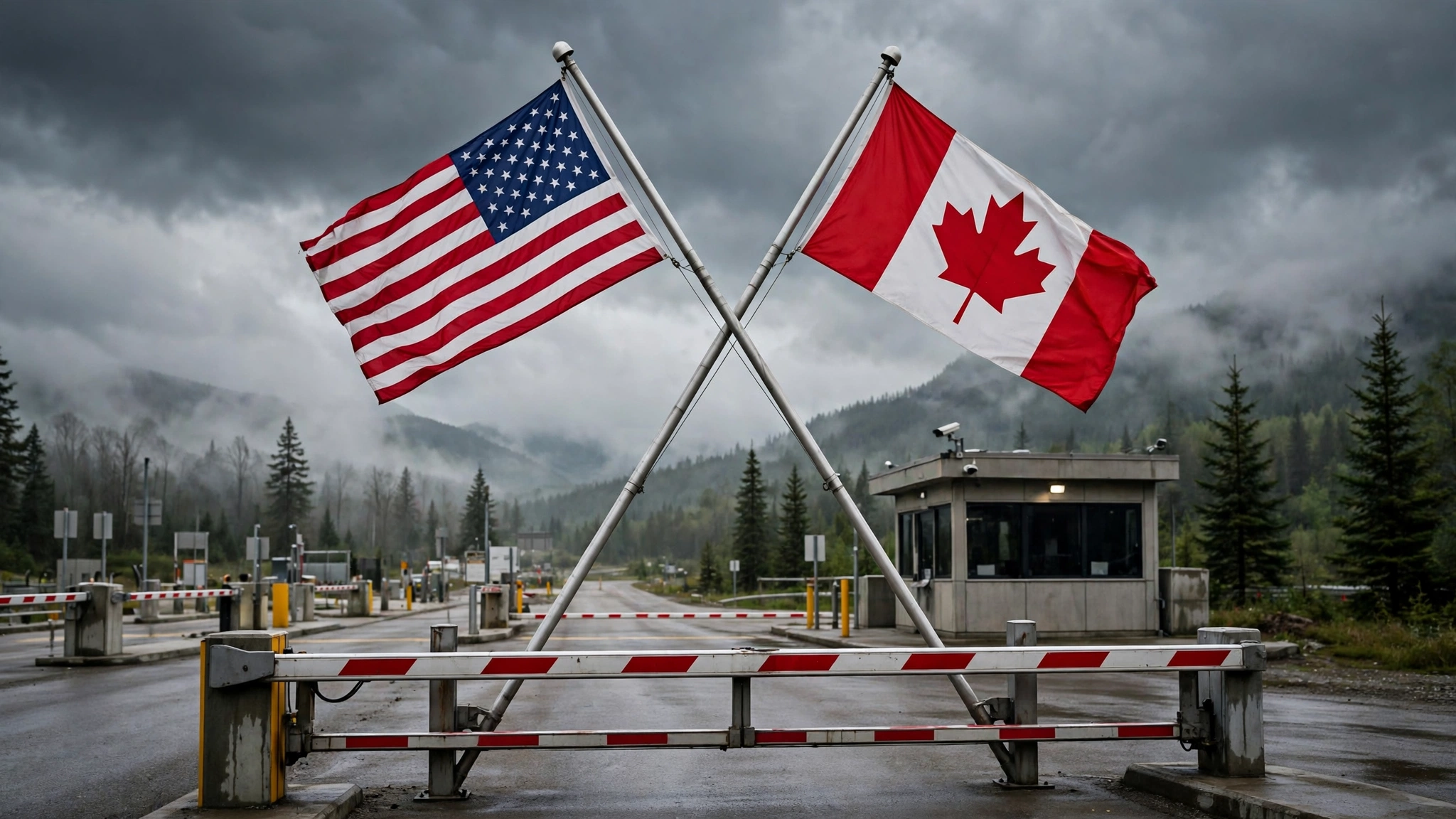
The Trump Canada import ban takes effect at 12:01 a.m. Eastern time Tuesday, cutting off U.S. imports of selected Canadian alcoholic beverages, dairy products, larger-engine motorcycles and molasses — the latest escalation in a tit-for-tat trade war between the two longtime allies.
The bans were ordered through White House proclamations signed September 8 under Section 338 of the Tariff Act of 1930, in retaliation for Canadian tariffs on roughly $20 billion of U.S. exports, including steel, dairy and agricultural equipment. Canada imposed those measures after the United States placed 50 percent tariffs on hundreds of Canadian products, according to IANS.
What the Trump Canada import ban covers
The restrictions target a specific slice of cross-border commerce rather than a blanket prohibition. The banned products include:
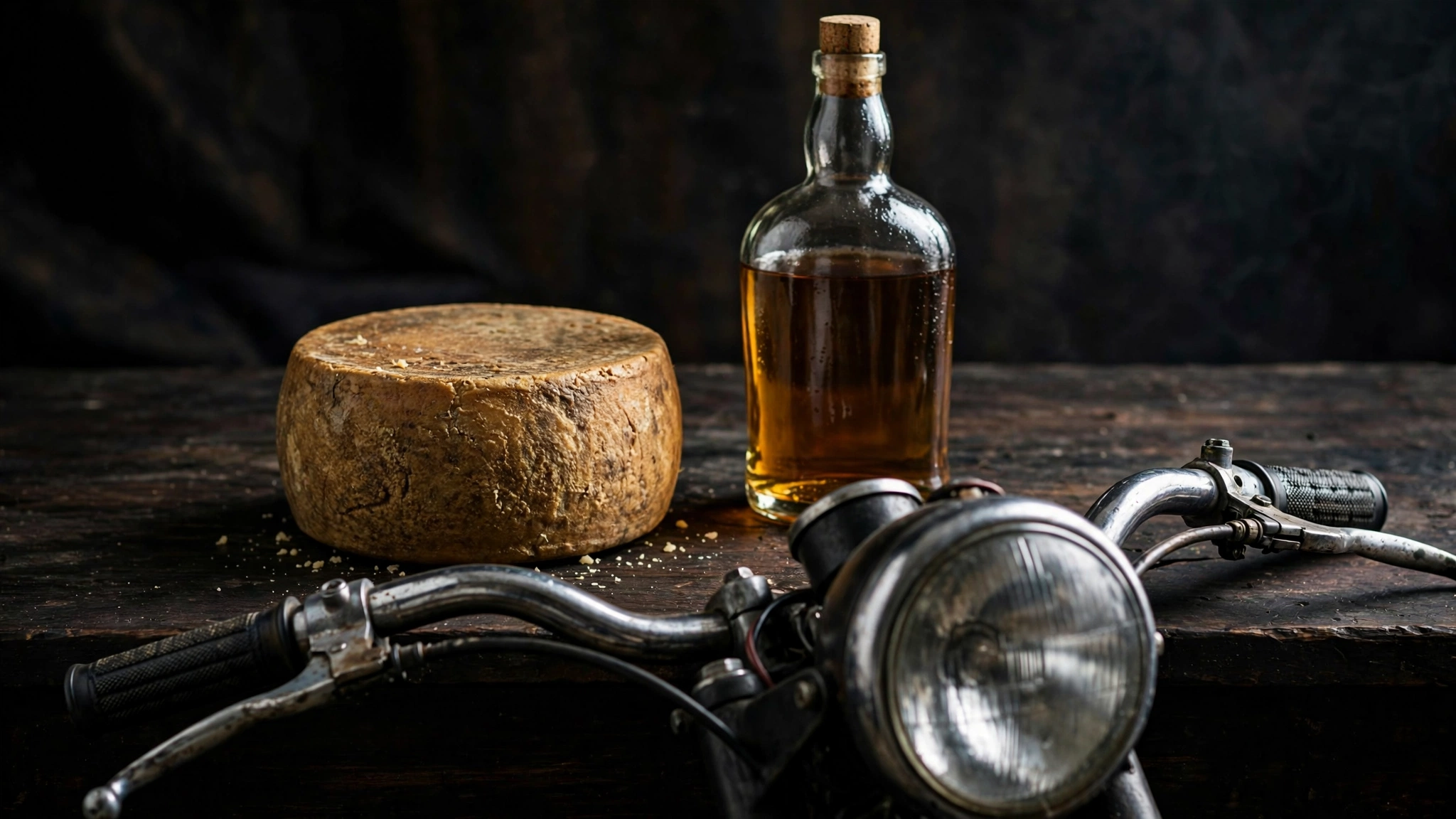
Alcohol: nearly all Canadian alcoholic beverages, covering rye, whisky, wine, beer, vermouth, tequila, vodka and rum in both packaged and unpackaged forms, according to reporting on the tariff schedules by The Wall Street Journal.
Dairy: Canadian cheese and whey products, including whey protein — a key component of cheese production.
Motorcycles: motorcycles with engines over 800cc, plus mopeds covered by the motor-vehicle action.
Food inputs: cane and invert molasses.
Goods already imported but not yet entered for consumption before September 29 remain subject to the previous 50 percent duty rather than the outright ban, the proclamations state. The September 8 proclamations also removed some products from related 50 percent tariff lists — including cement, road salt and some hospital products — while imposing 50 percent levies on others such as some ATVs, boats and cheeses.
Trump predicts a deal ‘in weeks’
Hours before the ban kicked in, Trump told White House reporters on Monday that he expected Canada to return to the negotiating table within "three or four weeks" and predicted a "fair deal." He said Canadian leaders "call us all the time," according to multiple reports.
Trump also accused Canada of treating the United States unfairly on agriculture, claiming Canadian tariffs on some U.S. farm products reached 400 percent — his own assertion, which he did not back with specifics. Newsweek quoted him calling Canada "one of the worst countries in the entire world."
According to the administration, trade talks with Canada’s trade minister, Dominic LeBlanc, are ongoing, and the ban could be revisited depending on how negotiations progress.
Why the Trump Canada import ban matters for trade
The ban is symbolic as much as economic — the products on the exclusion lists represent a fraction of the $381.92 billion in Canadian goods shipped to the United States in 2025, according to an Associated Press analysis cited in trade reporting. But for affected producers, the stakes are real.
Canada’s Trade Commissioner Service reported that the country exported $1.36 billion in alcoholic beverages in 2023, with about 90 percent going to the United States and spirits accounting for two-thirds of the trade. Wine Growers Canada said about $8.3 million in Canadian wine was shipped to the United States in 2025, with ice wine representing 57 percent of those exports, while Beer Canada reported $28 million in beer exports to the U.S. last year — its largest foreign market.
Dairy trade has been a persistent source of tension. U.S. officials have repeatedly objected to Canada’s supply-management system and to limits on access to the Canadian dairy market, and the ban on whey products targets a commodity closely tied to that dispute.
The broader economic backdrop is already strained. The trade fight is unfolding alongside a wider pressure campaign on American consumers, with oil prices hitting $106 and diesel reaching record highs amid the Iran standoff — a combination that is making trade and energy costs a central issue ahead of the November midterms.
Retaliation and the road ahead
Canada’s retaliatory tariffs, worth about C$27.6 billion (roughly $20 billion), went into effect earlier in September, targeting U.S. steel, dairy and agricultural equipment. Ottawa has not signaled it will back down, and economists have described the U.S. ban as more symbolic than damaging to the overall Canadian economy — while warning that targeted industries and cross-border communities will feel it.
Trade talks between Washington and Ottawa collapsed on August 21, and the dispute has since escalated from tariffs to an outright ban. Whether Trump’s prediction of a deal within weeks holds will depend on the next round of talks with LeBlanc — and whether Ottawa is willing to make concessions on the dairy and alcohol market access that Washington has long demanded.
Frequently asked questions
What is the Trump Canada import ban?
Presidential proclamations signed September 8 under Section 338 of the Tariff Act of 1930 prohibit the direct import of selected Canadian alcoholic beverages, dairy products, motorcycles with engines over 800cc, and cane/invert molasses, effective 12:01 a.m. ET on September 29, 2026.
Why did the U.S. impose the ban?
The White House said Canada continued discriminatory practices affecting American alcoholic beverages, dairy and motor vehicles. Trump determined the ban was "consistent with the interests of the United States and the public interests." It follows Canadian retaliatory tariffs on about $20 billion of U.S. exports.
Did Trump say a trade deal is coming?
On Monday, Trump told White House reporters he expected Canada to return to negotiations within "three or four weeks" and predicted a "fair deal." His administration says talks with trade minister Dominic LeBlanc are ongoing and the ban could be revisited.
How much trade is affected?
The listed products accounted for roughly $967 million of U.S. imports in 2025, about 0.3 percent of total imports from Canada, per the Congressional Research Service. But individual sectors — Canadian whisky, ice wine, beer and whey producers — are heavily exposed to the U.S. market.
