
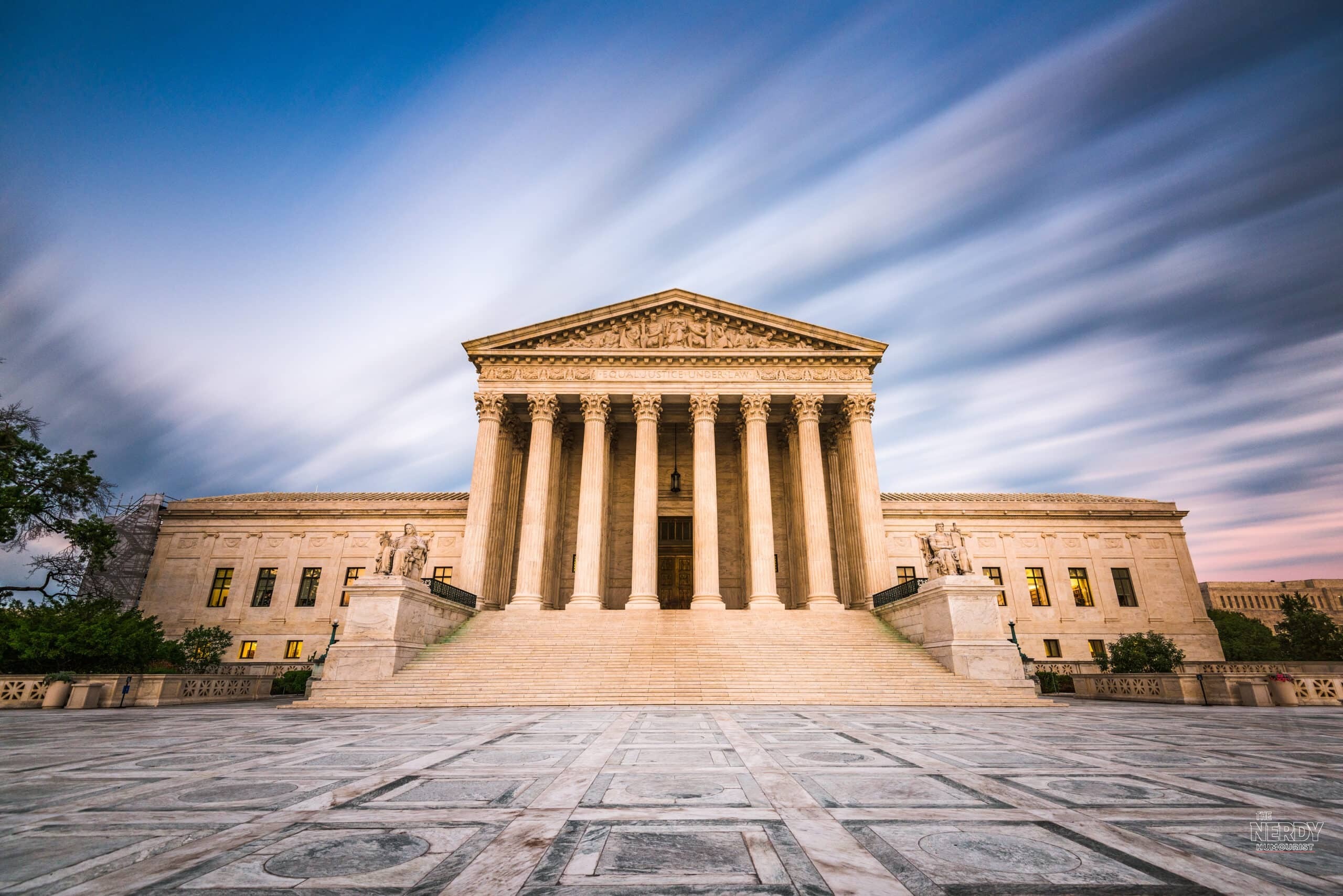
The U.S. Supreme Court begins its new nine-month term on Monday, October 5, and the opening argument tackles what CNN calls the most significant climate-change case to reach the court in nearly two decades: oil giants ExxonMobil and Suncor Energy are asking the justices to throw out a lawsuit by the city and county of Boulder, Colorado, seeking monetary damages for harms caused by climate change, Reuters reported. The Supreme Court term Big Oil climate lawsuits fight opening the session could decide the fate of a nationwide legal war between local governments and the fossil-fuel industry.
Boulder accused the companies of helping drive climate change and misleading the public about the risks of fossil fuels, and is seeking compensation for past and future costs — including infrastructure repairs, environmental damage, emergency management and public-health harms, according to Reuters.
Supreme Court term Big Oil climate lawsuits: what Boulder wants
At the heart of the case is a deceptively simple question: can a city and county sue oil companies under state law for the costs of a warming planet? Boulder says yes. The municipality brought its claims under Colorado state law after the state’s highest court allowed the case to proceed — a ruling ExxonMobil and Canada-based Suncor are now asking the U.S. Supreme Court to reverse, Reuters reported.
The damages Boulder seeks are not abstract. The city and county want money for the concrete, budget-breaking consequences of climate change: roads and bridges damaged by extreme weather, water and wildfire infrastructure, the cost of preparing for emergencies, and public-health programs strained by heat and smoke. It is the kind of bill local governments across the country say they are being left to pay while the companies that profited from fossil fuels walk away.

Why the Trump administration sided with Big Oil
The oil companies are not fighting alone. The Trump administration has backed ExxonMobil and Suncor, arguing that federal law precludes Boulder’s state-law claims, according to Reuters. That federal backing raises the stakes of the case well beyond Colorado: a ruling for the companies could be read as a signal that state and local climate lawsuits are preempted by federal authority.
The scale of what hangs on the decision is enormous. Nearly 60 state and local governments have filed similar suits seeking billions of dollars from fossil-fuel companies, Reuters reported — and the companies told the justices that a ruling in their favor could lead to many of those cases being dismissed. One argument on the first Monday of October could effectively end a decade of climate litigation, or keep it alive for years.
The term ahead: immigration, guns and religious schools
The Boulder case is only the opening act. The court has teed up a term loaded with major disputes: cases on the Trump administration’s immigration policies, state bans on assault-style rifles, and taxpayer-funded religious preschools, according to Reuters and CNN.
The justices will also decide whether to take up two of the most politically charged potential cases of the season: President Trump’s defamation fight with E. Jean Carroll and the administration’s ban on transgender military service, Reuters and CNN reported.
So far the court has granted only 28 cases — less than half of the roughly 60 it is expected to decide by June, according to CNN. The biggest Trump-confrontation cases may still be added to the docket in the coming months, meaning the term’s most explosive fights could be the ones nobody has seen yet. Readers following the court’s clashes with the administration can also see our October 2 report on the justices’ immigration-detention case and the September ruling blocking the administration’s election-related funding move.
What to watch on argument day
Monday’s argument will turn on whether Boulder’s claims belong in state court under state law — or whether they are really federal claims about interstate pollution and energy policy that only federal law can govern. The oil companies’ preemption argument, backed by the Trump administration, frames climate change as a quintessentially national and international problem that a patchwork of state lawsuits cannot fairly address.
Boulder’s answer is that the companies are being sued not for the existence of climate change, but for their own conduct: decades of producing and promoting fossil fuels while, the city alleges, misleading the public about the risks. A decision is expected by late June, and whatever the outcome, it will redraw the legal map for the nearly 60 similar cases waiting in the wings.
FAQ
What is the Boulder climate lawsuit?
The city and county of Boulder, Colorado, sued ExxonMobil and Suncor Energy under state law, accusing them of helping drive climate change and misleading the public about fossil-fuel risks, and seeking damages for infrastructure, environmental, emergency-management and public-health costs, per Reuters.
What do ExxonMobil and Suncor want from the Supreme Court?
The companies want the justices to throw out Boulder’s lawsuit, arguing the claims are preempted by federal law. The Trump administration backs that position. A win could lead to many of the nearly 60 similar state and local climate suits being dismissed, the companies told the court.
Why is this the biggest climate case in nearly two decades?
That framing comes from CNN: no climate-change case of this consequence has reached the Supreme Court in close to twenty years, and the ruling will determine whether the nationwide wave of state and local lawsuits against fossil-fuel companies survives.
What else is on the Supreme Court’s docket this term?
Beyond the Supreme Court term Big Oil climate lawsuits case, the justices will hear disputes over Trump’s immigration policies, state assault-style-rifle bans and taxpayer-funded religious preschools — and may yet add Trump’s E. Jean Carroll defamation fight and the transgender military-service ban, per Reuters and CNN.
Sources: Reuters; WVLT “Week Ahead in Washington”.

Leave a Reply
You must be logged in to post a comment.