
Margaret Hamilton, the groundbreaking computer scientist who led the team that wrote the flight software for NASA’s Apollo missions — and whose code arguably saved the first Moon landing — has died. She was 90.
Hamilton died on September 30 at a hospital in Cambridge, Massachusetts, according to MIT, her former employer, which confirmed her death on October 7. The cause of death was not disclosed, MIT reported. Her daughter, Lauren Hamilton, confirmed the death to the Associated Press.
She leaves behind a legacy almost impossible to overstate: at a time when “software engineer” wasn’t even a recognized job title, Margaret Hamilton and her team wrote the code that carried human beings to the lunar surface and back.
The code that saved the Moon landing
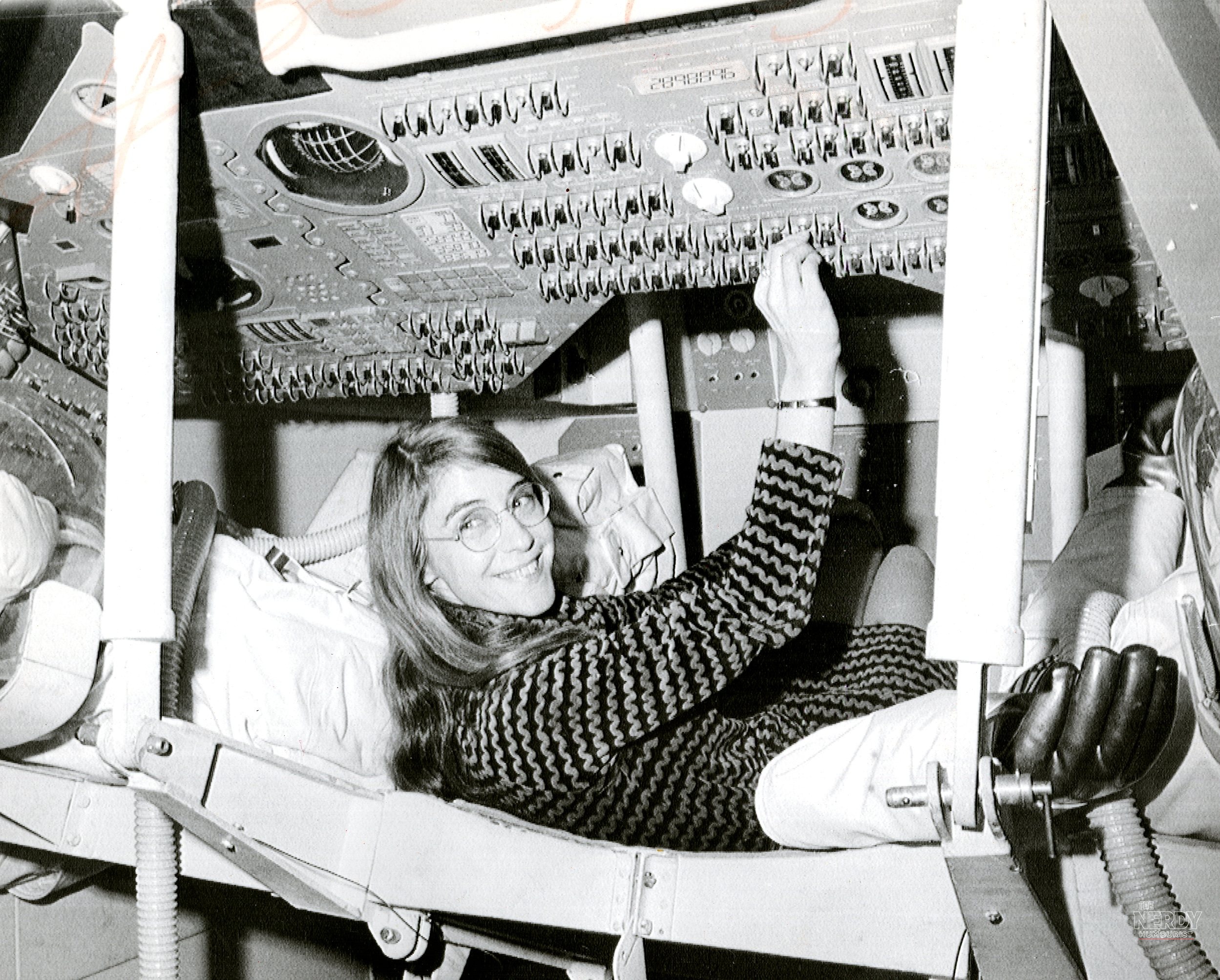
In the early 1960s, MIT’s Instrumentation Laboratory won a NASA contract to design the onboard flight software for the Apollo Guidance Computer — the machine that would fly astronauts to the Moon. Hamilton, who had joined MIT in 1959, was hired in 1965 as the first programmer on the Apollo project at the institute, and the first female programmer on the project. She went on to direct the Software Engineering Division of the MIT Instrumentation Laboratory, ultimately leading a team of about 100 engineers who designed the software to guide NASA’s Apollo missions.
The scale of the problem was staggering. The Apollo Guidance Computer had roughly 72 kilobytes of memory — less storage than a single modern email. Yet Hamilton’s team wrote software sophisticated enough to land humans on another world. Her hallmark was building error detection and recovery into the system: programs designed to survive failure.
That philosophy paid off in the most dramatic moment of the space race. As the Apollo 11 lunar module Eagle descended toward the Moon on July 20, 1969, its computer began flashing priority alarms — overloads caused by a misconfigured radar switch flooding the system with data. Hamilton’s software prioritized the critical landing tasks, shed the excess load, and kept the essential processes running. Neil Armstrong and Buzz Aldrin landed safely minutes later.
A pioneer who coined “software engineering”
Margaret Hamilton is credited with popularizing — and in her account, coining — the term “software engineering,” which she began using to distinguish her work from hardware development and to insist that software deserved to be treated as a rigorous engineering discipline. It was an act of professional advocacy that helped establish software engineering as a field in its own right.
Her rise was meteoric. By 1968 she was assistant director in charge of the Command and Service Module team at MIT, with more than 400 people working on Apollo’s software, MIT said in its announcement of her death.
Born Margaret Heafield in Paoli, Indiana, in 1936, she studied mathematics at Earlham College and the University of Michigan before moving to Boston with her husband in 1959. After Apollo, she founded Higher Order Software in 1976 and Hamilton Technologies in 1986, both in Cambridge.
The famous photograph and long-overdue recognition
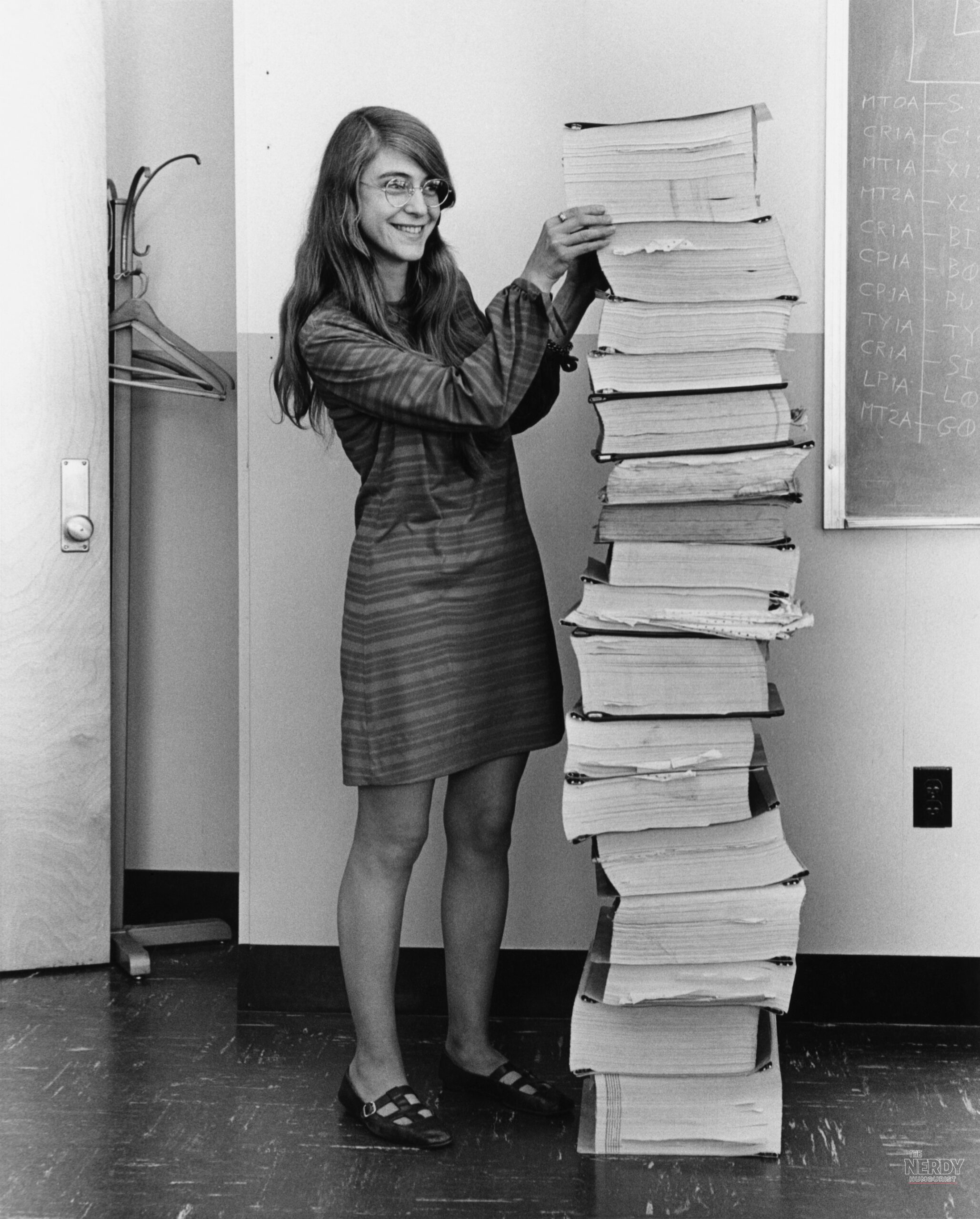
For decades Hamilton was one of history’s most important invisible engineers — until the internet rediscovered her. The famous photograph of her standing next to a towering stack of paper listing the Apollo source code she and her team had written — a pile nearly as tall as she was — became one of the defining images of the space program. In 2017, a LEGO “Women of NASA” set included a figure of her.
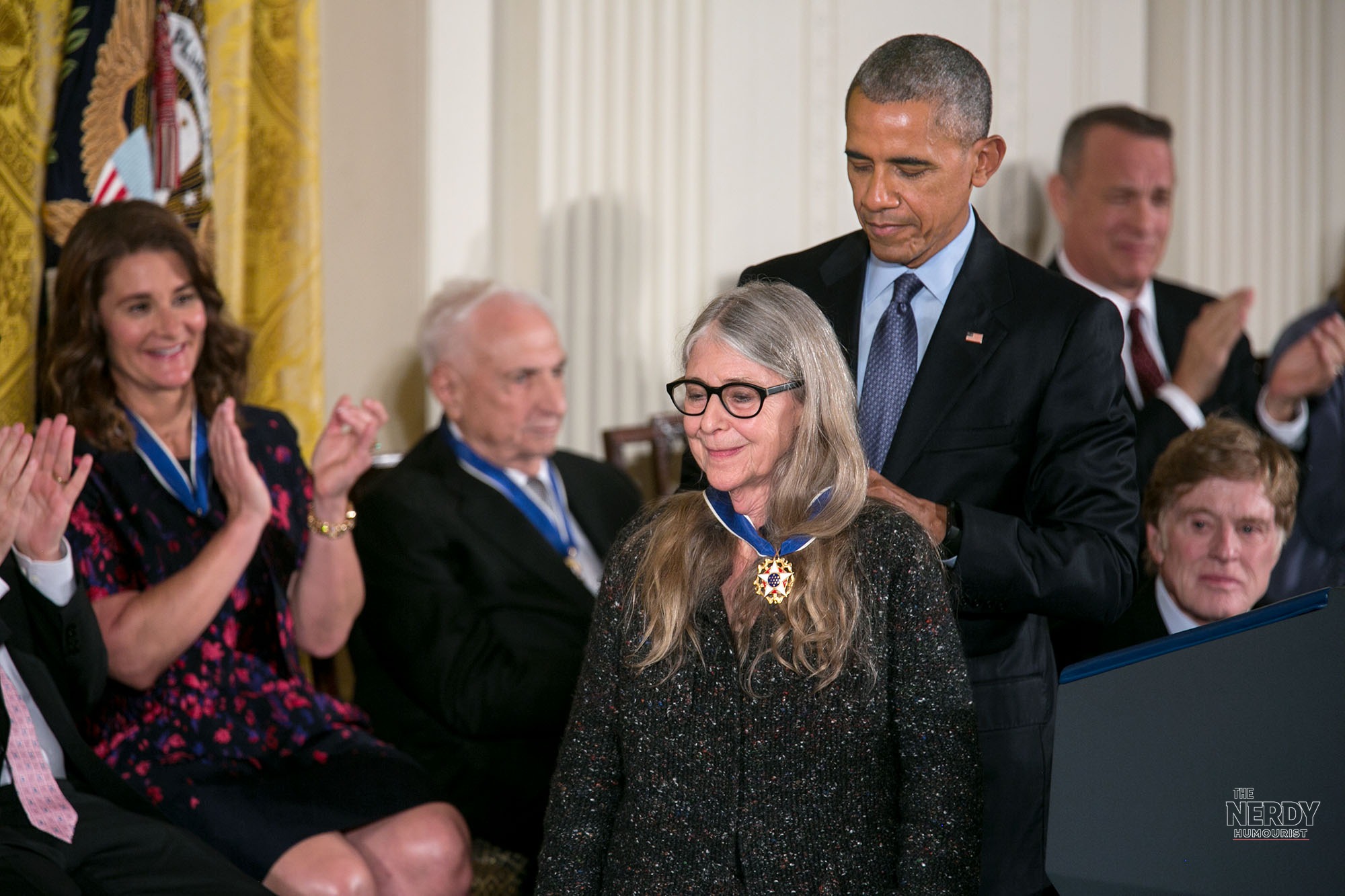
Formal recognition eventually caught up. In 2016, President Barack Obama awarded her the Presidential Medal of Freedom, the nation’s highest civilian honor, for her contribution to science and space travel.
“To say Margaret Hamilton was a pioneer — to say she was ahead of her time — would be a dramatic understatement,” said Olivier de Weck, the Apollo Program Professor and interim head of MIT’s Department of Aeronautics and Astronautics, in MIT’s announcement. “She was a software engineer at a time when that field was in its infancy, and she not only developed advanced code herself but also led a team in using that nascent technology to develop one of the most complex systems humanity had ever achieved.”
NASA Administrator Jared Isaacman paid tribute to Hamilton on X, calling her “a pioneer whose work helped make Apollo and humanity’s first journeys to the moon possible.”
Read more: Nobel Prize in Physics 2026: Francis Halzen
Frequently asked questions
Who was Margaret Hamilton?
Margaret Hamilton was the MIT computer scientist who directed the Software Engineering Division that wrote the onboard flight software for NASA’s Apollo program. She is credited with popularizing the term “software engineering” and received the Presidential Medal of Freedom in 2016.
How did Margaret Hamilton’s code save Apollo 11?
During the lunar module’s descent in 1969, the guidance computer was overloaded with data. Hamilton’s error-detection and recovery software prioritized critical landing tasks and shed excess load, letting Armstrong and Aldrin land safely despite the alarms.
When did Margaret Hamilton die?
She died on September 30, 2026, at a hospital in Cambridge, Massachusetts, aged 90. MIT confirmed her death on October 7. The cause was not disclosed.
What honors did Margaret Hamilton receive?
President Barack Obama awarded her the Presidential Medal of Freedom in 2016. She was also included in LEGO’s 2017 “Women of NASA” set, and the famous photo of her beside a towering stack of Apollo code printouts became an icon of the space program.
Sources: CNN obituary, MIT News.

Leave a Reply
You must be logged in to post a comment.