
Data center ballot measures will put America’s artificial intelligence boom directly in voters’ hands this November, as local measures that could ban, pause, or restrict data center construction go before voters in seven states. According to Fox News, 34 data center-related ballot measures will be decided across California, Florida, Illinois, Kansas, Nevada, Ohio, and Wisconsin — turning the massive facilities behind AI into one of the 2026 midterm cycle’s most unusual political flashpoints.
A separate tally by the Digital Watch Observatory counts even more: at least 39 local ballot measures concerning data centers in 2026 across eight states — the same seven plus Michigan — with 35 scheduled for the November 3 general election and four that already appeared earlier in the year.
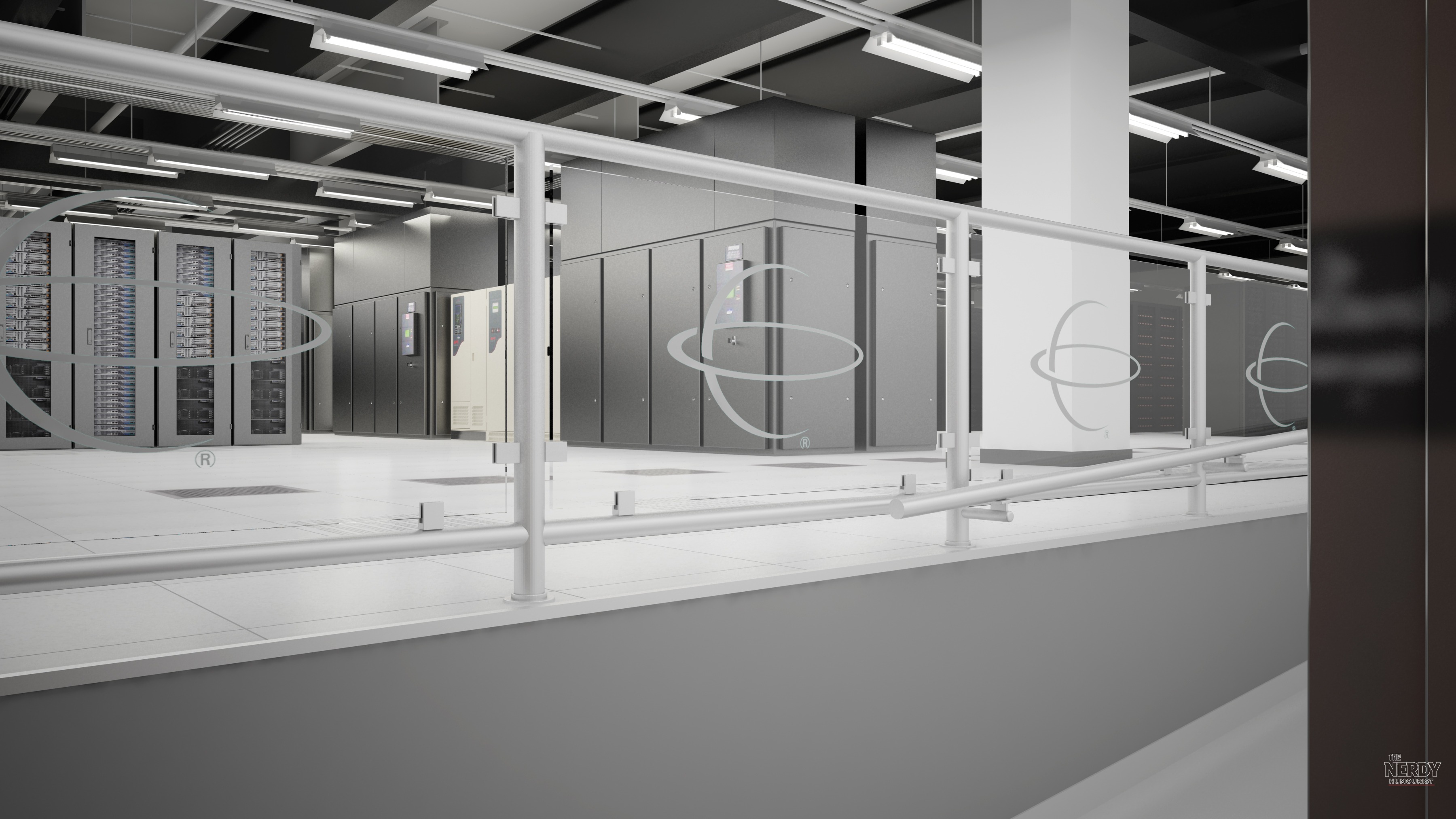
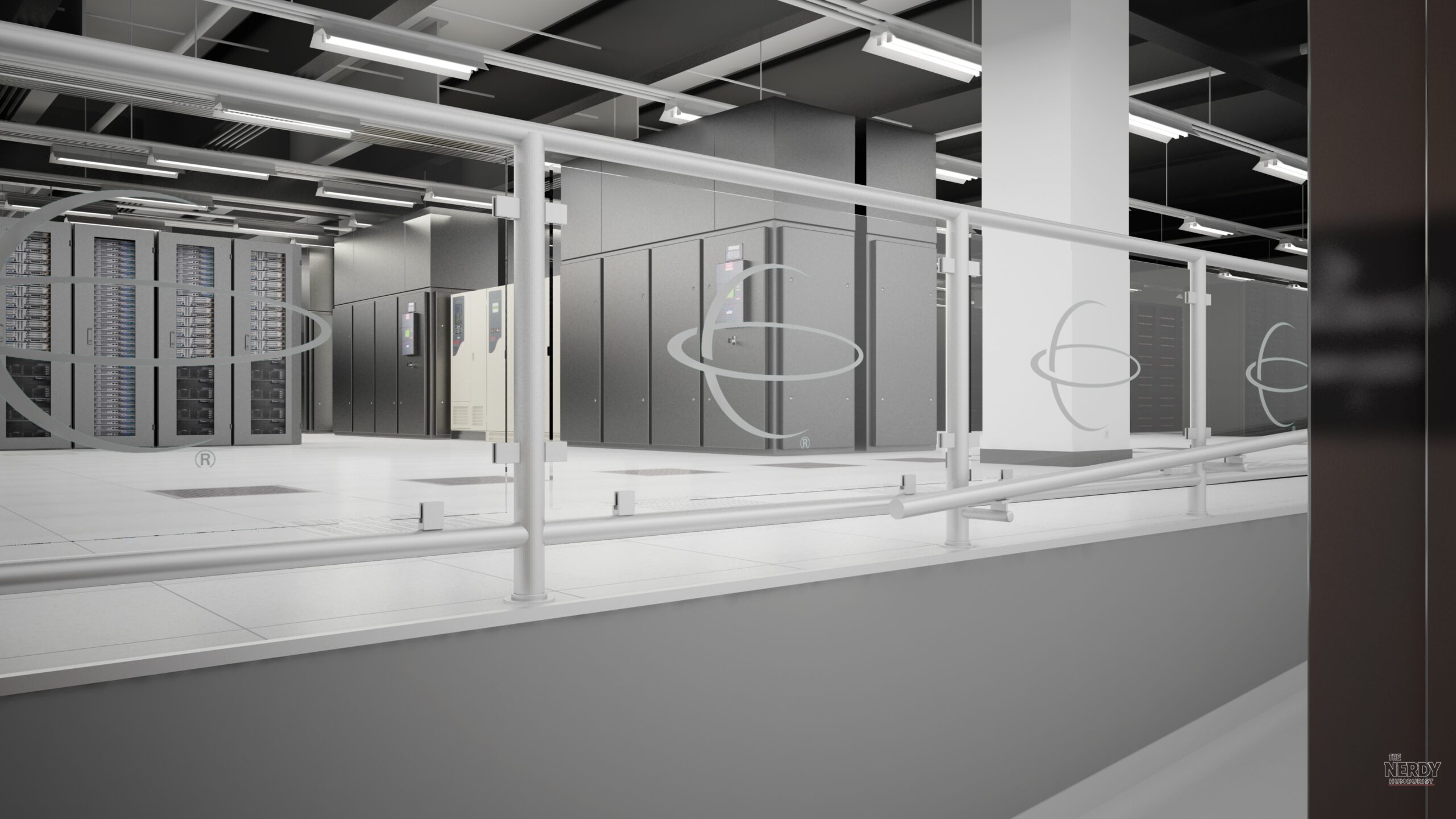
Photo: CyrusOne / Wikimedia Commons (CC BY-SA 3.0). File photo — interior of the CyrusOne data center in Carrollton, Texas.
What the data center ballot measures would do
The proposals vary widely. According to Digital Watch’s analysis, the measures include outright bans on new facilities, temporary pauses on construction, changes to land-use and zoning rules, approvals for specific projects, and requirements that future projects get voter sign-off before they can proceed.
The legal weight of the measures varies too. Some are advisory questions that simply record public opinion; others would be binding — changing laws, local charters, zoning decisions, or development agreements in ways developers would have to follow.
Residents, not officials, are driving the push
Ballotpedia’s September analysis found that most of the measures reached the ballot through residents’ petitions, with the remainder referred by local governing bodies. And in all four votes held earlier this year, voters favored greater restrictions — either approving a restriction or rejecting a proposal that would have facilitated development, Digital Watch reported.
The backlash is already visible beyond the ballot box. Digital Watch recently reported that San Francisco and Oakland approved 45-day moratoriums on new data center development while local authorities assess environmental and infrastructure impacts.

Photo: Intel Free Press / Wikimedia Commons (CC BY 2.0). File photo — a server board installed at a Facebook data center. (Low-resolution source available.)
Why data centers became an election flashpoint
The fight is about what data centers consume: enormous amounts of electricity and water. As AI models grow larger and cloud computing expands, the facilities needed to run them have multiplied — and so have local concerns about power bills, grid strain, water usage, noise, and property values.
That tension spilled into the open this week in Memphis, Tennessee, where a city council meeting descended into chaos Tuesday night after lawmakers postponed a vote on a proposed yearlong moratorium on new data centers, with protesters chanting inside City Hall, police clearing the chamber, and a fight breaking out in the lobby, according to Fox News.
Washington is feeling the pressure too. The House voted 417-3 to advance legislation — known as the Ratepayer Protection Act — that could make the nation’s largest AI data centers, those with demand of 100 megawatts or more, pay the full cost of power grid upgrades needed to serve them rather than passing those costs to households and small businesses, according to Political.org’s coverage. The Senate has not yet taken action on the bill.
What the polls say about data center ballot measures
A Fox News national poll conducted last month found voters struggling to reconcile AI’s potential benefits with the economic and environmental costs of the data centers that power the technology. More than seven in 10 voters (71%) opposed building AI data centers in their area, including 46% who strongly opposed them. More than half (52%) supported building them in remote locations, while 44% opposed.
Overall, 60% of voters had a negative view of AI, compared with 37% who viewed it positively — a 23-point gap that has more than doubled since a July Fox News poll. The poll also found a partisan divide: voters with favorable views of AI leaned Republican, while those with unfavorable views leaned Democratic. The divide was even sharper over data centers themselves, with Republicans performing better among voters who supported them and Democrats among those who opposed them.
President Donald Trump has opposed wide-ranging federal regulation of the AI industry and warned that the United States cannot allow China to win the technology race — putting federal policy and local resistance on a collision course as AI policy emerges as a growing fault line in Washington and on the campaign trail.
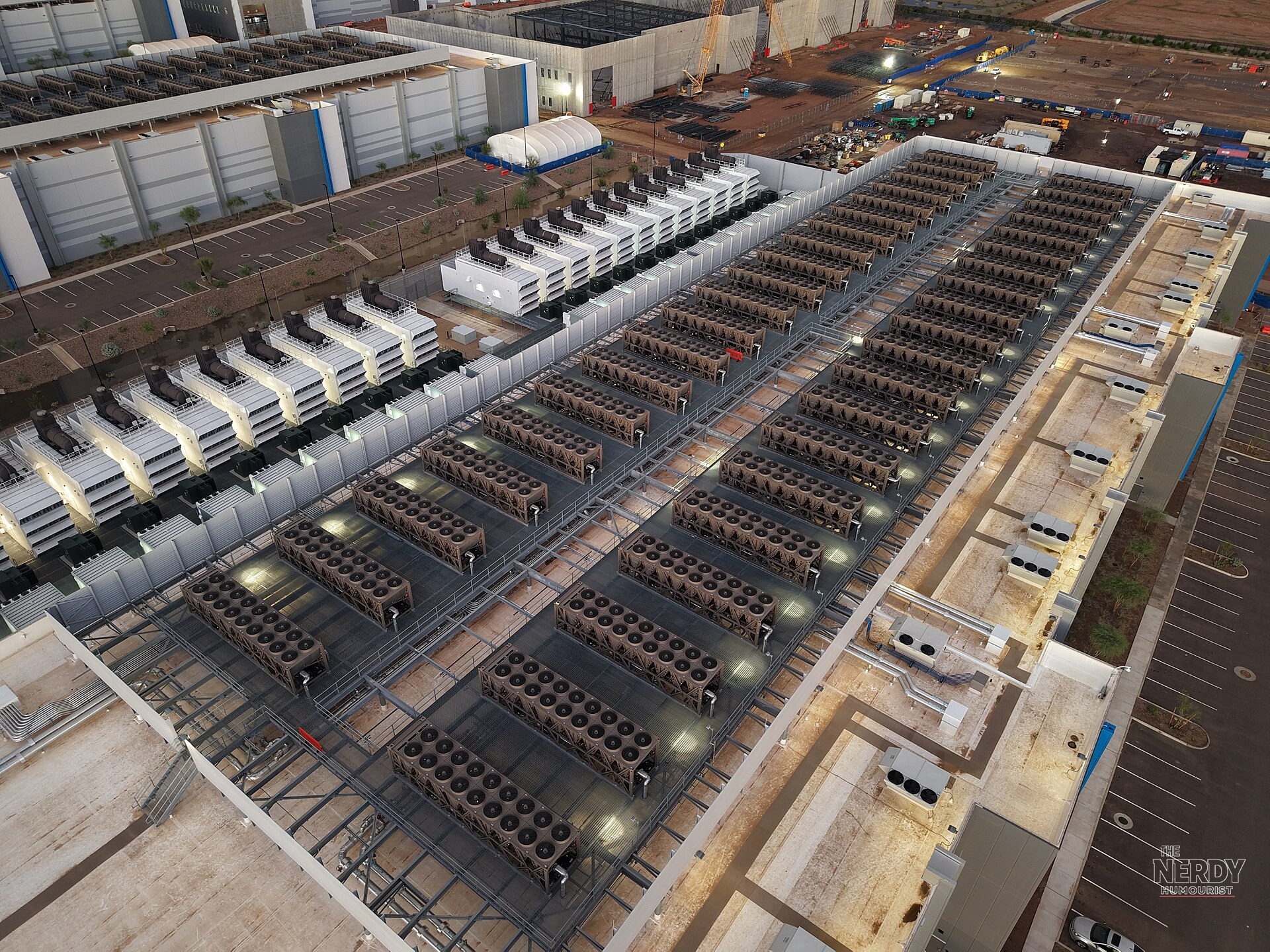
Photo: Rsparks3 / Wikimedia Commons (CC0). File photo — cooling towers and backup generators on a data center roof; power consumption is a key concern in the ballot fights.
What the results could mean for the AI buildout
The ballot measures won’t stop the AI buildout by themselves — many of the biggest data center campuses are already under construction or permitted. But binding measures that change planning rules or require voter approval for future projects could slow or redirect development in some of the fastest-growing regions.
Tech companies and utilities are watching closely: Amazon recently pledged $1 billion toward communities hosting its data centers, a sign that operators see community relations as a business risk worth spending on. And the consumer side keeps growing — AI is showing up in nearly every corner of the consumer tech market, from smart cameras to cloud assistants, and all of it runs on the same physical servers these ballot measures target.
The November results will double as a signal: how much local support does the AI infrastructure boom actually have when voters get a direct say?
Data center ballot measures: frequently asked questions
What are the data center ballot measures this November?
They are local ballot measures in seven U.S. states — California, Florida, Illinois, Kansas, Nevada, Ohio, and Wisconsin — that would restrict, pause, or change the rules for data center development. Fox News counts 34 such measures; digital-policy tracker Digital Watch counts at least 39 across eight states (adding Michigan). Some are advisory, while others would change zoning laws or require voter approval for projects.
Why do people oppose data centers?
Opponents cite high electricity and water consumption, strain on local power grids, rising utility bills, noise, and concerns about property values. A Fox News poll found 71% of voters opposed building AI data centers in their area, with 46% strongly opposed.
Where have data center moratoriums already been imposed?
San Francisco and Oakland have approved 45-day moratoriums on new data center development while environmental and infrastructure impacts are assessed, according to Digital Watch. A proposed yearlong moratorium in Memphis, Tennessee was postponed after a chaotic city council meeting.
Will the ballot measures stop the AI data center boom?
Probably not by themselves — many large campuses are already under construction or permitted. But binding measures that change planning rules or require voter approval could slow or redirect future development in some of the fastest-growing regions, and the results will signal how much local support the AI buildout has.

Leave a Reply
You must be logged in to post a comment.