
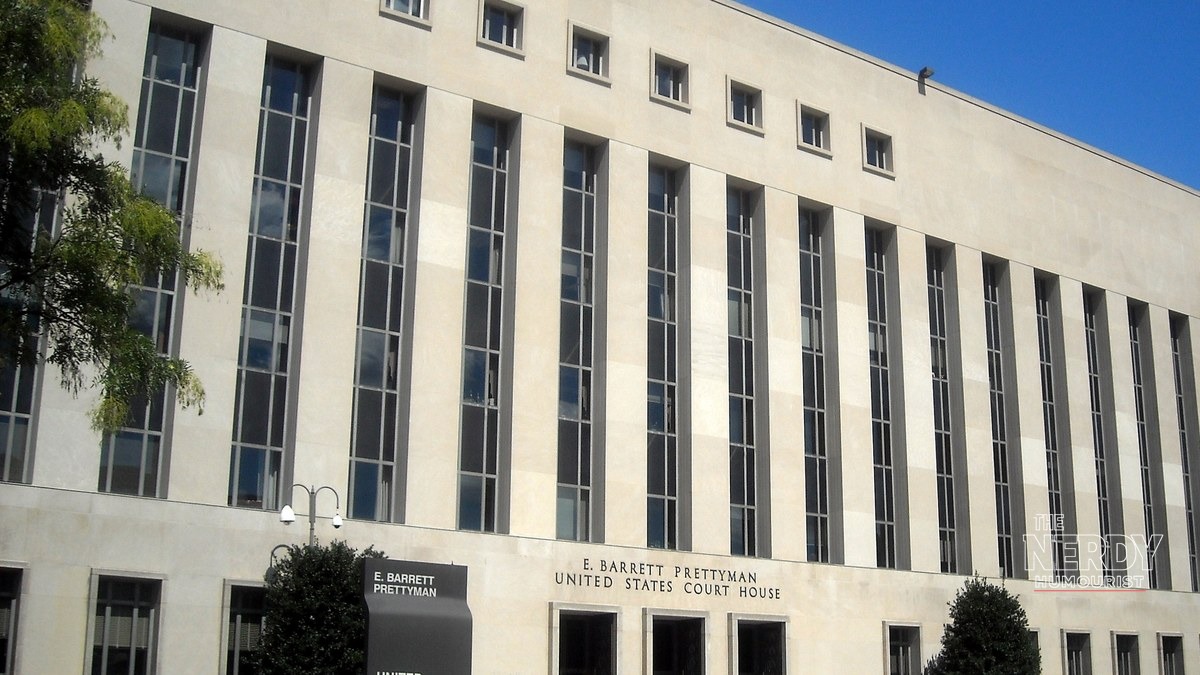
The legal fight over the Justice Department’s handling of the Jeffrey Epstein files reaches a critical point this week, as the Epstein files Judge Sullivan deadline arrives on Thursday, October 15. U.S. District Judge Emmet Sullivan has ordered the department to produce the full administrative record in journalist Katie Phang’s transparency lawsuit by that date — after the government missed an earlier October 1 deadline and asked the court for more time.
The looming deadline is the latest flashpoint in Phang v. Blanche, the Administrative Procedure Act lawsuit that has become the sharpest judicial test of the Epstein Files Transparency Act. The case was brought by Phang — a Miami-based attorney and independent journalist represented by the Public Integrity Project — against then-Acting Attorney General Todd Blanche, and it alleges that the Justice Department violated the 2025 disclosure law through missed deadlines, improper redactions, withheld records and a failure to publish a required redaction log.
How the Epstein Files Judge Sullivan Deadline Came About
Congress passed the Epstein Files Transparency Act in November 2025, and President Trump signed it on November 19, ordering the Justice Department to release its unclassified Epstein records within 30 days, by December 19, 2025. The department missed that statutory deadline. On January 30, 2026, it released a large tranche — reported at roughly 3.5 million pages, plus thousands of videos and images — which the department described as fulfilling its obligations under the law.
Survivors and lawmakers from both parties said the release fell short, accusing the department of incomplete compliance, heavy redactions and technical errors that in some cases left victims’ names and contact details exposed. Reports that the department quietly removed tens of thousands of files after publication intensified the criticism, and the Justice Department’s Inspector General opened an audit of the department’s handling of the law.
Phang filed her lawsuit on April 27, 2026, according to published accounts of the case. (Blanche was later confirmed by the Senate on August 8 by a 50-49 vote, according to published reports.) In June, Sullivan granted Phang a preliminary injunction, finding in a lengthy opinion that she was likely to prevail on her claims that the department violated the transparency law. The order covered disputed redactions — including the names of email senders and recipients, names identified as “potential co-conspirators” in draft indictments, and raw FBI interview notes behind documents summarizing abuse allegations — as well as foreign-language records.
The controversy over the FBI interview materials has put the department’s investigative record-keeping under unusual scrutiny — one of several high-profile matters testing the Justice Department, alongside operations such as the FBI and DEA raids in Los Angeles.
The Epstein Files Judge Sullivan Deadline: What’s Due October 15
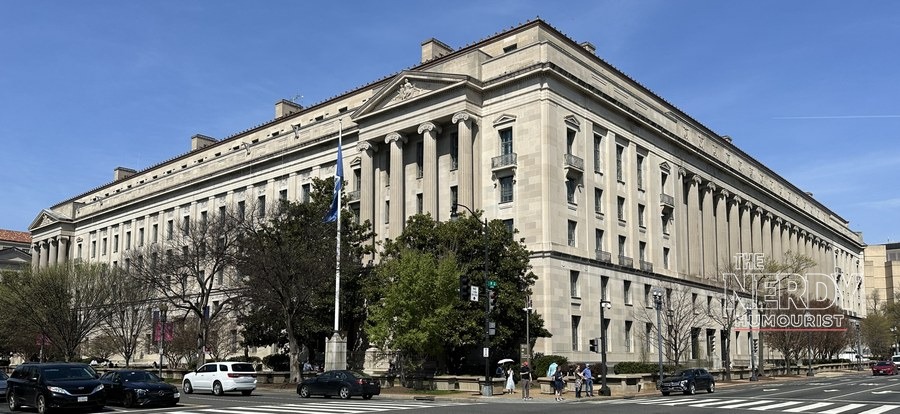
Sullivan’s September 16 order set a three-part schedule: the department had to file its answer to the complaint by September 24, submit a certified list of the administrative record by October 1, and produce that record to Phang by October 15. The administrative record matters because it would document the government’s decision-making — what materials were reviewed, how records were redacted or withheld, and what reasoning accompanied those choices.
The October 1 deadline came and went without the required list. Instead, on the deadline day, the department filed two motions: one seeking judgment on the pleadings, which could end the case, and another asking for leave to postpone the administrative-record requirement. In a statement posted October 2, Phang said the government had declined to comply with the October 1 requirement and was seeking to delay it.
Sullivan responded with a minute order directing the department to file a compliance notice by noon on October 5 and setting a briefing schedule on the postponement request: Phang’s response by October 8 and the department’s reply by October 13 — two days before the record itself is due.
The department’s argument goes beyond timing. In its filings, it contends that Phang is pursuing information that should have been sought under the Freedom of Information Act, and that the transparency law does not create a private right of action allowing individuals to sue the department directly. Sullivan rejected the FOIA argument in June, concluding that FOIA was not an adequate remedy given Congress’s broader and more urgent disclosure mandate.
Why the Case Matters Beyond the Deadline
The lawsuit is widely viewed as a test of whether a private citizen can enforce the Epstein Files Transparency Act in court when Congress did not write an explicit enforcement provision into the law. A ruling on that question could shape how journalists, survivors and researchers challenge government secrecy in other disclosure fights. It is one of several high-stakes disputes over federal authority now moving through the courts, alongside matters such as a Supreme Court case on mandatory immigration detention.
Other fronts in the litigation remain active. Sullivan denied the department’s request for a partial stay of his foreign-language review order on September 21; the department then asked the D.C. Circuit, which temporarily paused that deadline while the appeal is pending. Separately, Phang has sought contempt sanctions of $1,000 per day, though Sullivan has called a contempt finding “premature.” New Mexico’s attorney general also sued the department in the same court in August over Epstein-related records concerning the Zorro Ranch property, according to published reports. A publicly maintained summary of the Phang litigation’s filings is available online for readers following the docket: epsteinwiki.com/knowledge-base/katie-phangs-lawsuit-to-force-release-of-the-epstein-files/.
What Happens Next
The immediate question is whether the October 15 deadline holds. The department’s reply brief on its postponement request is due October 13. If the record is not produced, Phang’s lawyers could renew their request for contempt sanctions, and Sullivan would decide whether the legal standard is met. What the judge would do in that scenario is unconfirmed.
The department has said it is reviewing the disputed materials, and it told the court it hand-delivered copies of contested FBI interview notes to chambers on September 24, minutes before an 11 a.m. deadline. Phang’s team has said the department continues to withhold millions of pages it has labeled duplicative or nonresponsive — a claim the department disputes. With the October 15 date approaching, the case appears headed for a ruling that could define the transparency law’s reach.
Frequently Asked Questions
Q: Who is suing the Justice Department over the Epstein files?
A: Journalist and attorney Katie Phang, represented by lawyers from the Public Integrity Project. She sued then-Acting Attorney General Todd Blanche in April 2026 under the Administrative Procedure Act, alleging that the Justice Department violated the Epstein Files Transparency Act through missed deadlines, improper redactions and withheld records.
Q: What did Judge Sullivan’s September 16 order require?
A: The order required the department to file its answer to the complaint by September 24, submit a certified list of the administrative record by October 1, and produce that record to Phang by October 15.
Q: Did the Justice Department meet the October 1 deadline?
A: No. According to court filings and Phang’s October 2 statement, the department filed motions seeking judgment on the pleadings and a postponement of the deadline instead of submitting the certified list. Sullivan set a briefing schedule on the postponement request, with the department’s reply due October 13.
Q: What is the administrative record at the center of the fight?
A: In this kind of case, it is the set of materials documenting the agency’s decisions — which records were reviewed, how they were redacted or withheld, and why. Phang’s team says it would reveal how the department handled its obligations under the transparency law; the department has argued the requirement should be postponed while it challenges the case.

Leave a Reply
You must be logged in to post a comment.