
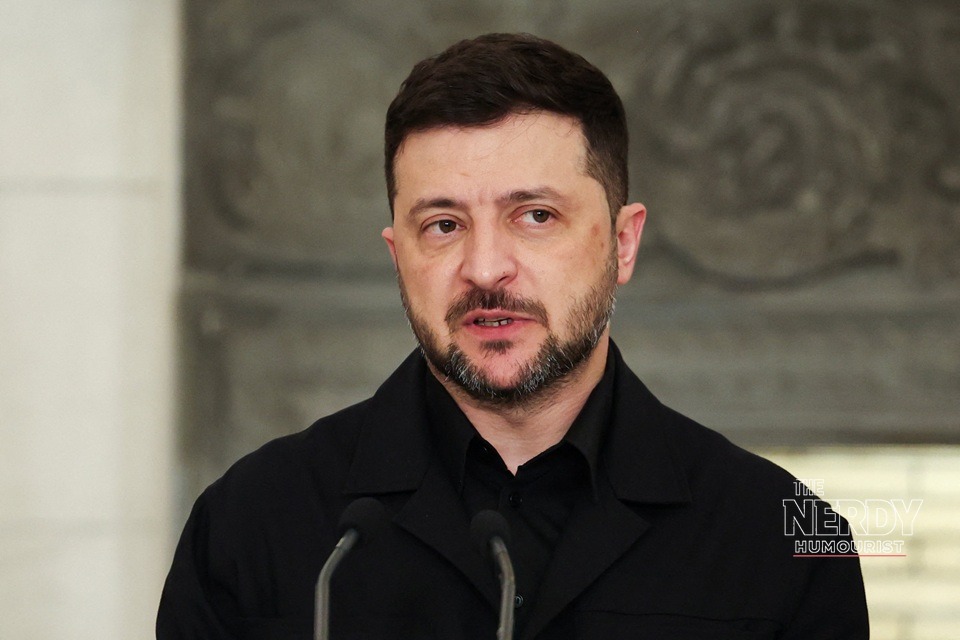
Ukrainian President Volodymyr Zelensky has warned that Kyiv will continue striking Russian oil refineries unless Moscow stops attacking Ukraine’s energy system, exposing a growing rift with US President Donald Trump over a self-declared energy ceasefire and a controversial Russian diesel deal. Speaking at the Warsaw Security Forum on Monday, October 12, 2026, Zelensky insisted any pause in energy strikes must be mutual, a condition he says Russia has already failed to meet.
The warning came just a day after Trump announced on social media that an “energy ceasefire” between Ukraine and Russia had taken effect. According to the Ukraine Brief, the White House later clarified that the arrangement concerned a mutual halt to strikes on oil refineries — a narrower scope than Zelensky demands.
Kyiv Says Russia Violated the Ceasefire Within Hours
Zelensky told the Warsaw forum that Ukraine had been “horribly surprised” when Moscow struck a power plant in the northeastern city of Kharkiv, along with a gas production facility and a civilian gas station, just hours after Trump’s announcement, according to AFP reporting. The attack on Kharkiv killed three people and wounded nine others, including children, per the New York Post.
The Ukrainian leader said his government had refrained from striking Russian energy sites since Trump’s announcement on Sunday and was ready to honor a truce, telling Fox News’ “America’s Newsroom” that an energy ceasefire would be “a good first step” toward ending the war. But he expressed doubt about Moscow’s intentions.
“If Russia wants us to stop our long-range strikes on its oil refineries and oil exports, then Russia must stop its strikes on our energy system and critical infrastructure and stop killing our people. That is fair,” Zelensky said at the Warsaw Security Forum.
Kremlin spokesman Dmitry Peskov declined to say whether Russia had agreed to any ceasefire, telling reporters only that “contacts are ongoing,” according to the Manila Times.
Why a mutual pause matters
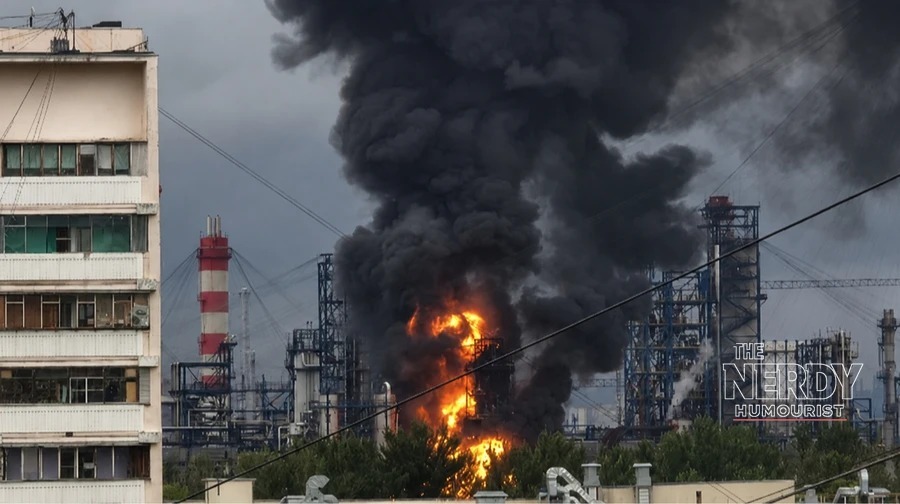
Zelensky has stressed that Ukraine’s condition for a pause is the protection of power plants, electricity grids, and critical infrastructure — not just refineries. According to the Ukraine Brief, he noted an imbalance between the two countries’ energy resources: Ukraine has only one oil refinery, relies on imports of diesel and petroleum products, and lacks Russia’s vast oil reserves. At the same time, he said, Ukrainian strikes on Russian refineries and oil exports are already causing significant problems for Moscow.
A day earlier, on October 11, Zelensky wrote on X that Ukraine was ready to halt its refinery strikes if Russia stopped hitting Ukraine’s energy grid, adding that any steps must be mutual and backed by real guarantees, according to Reuters and AFP.
Russia has attacked Ukrainian energy infrastructure since its full-scale invasion began in February 2022. DTEK, Ukraine’s largest private energy company, announced fresh power outages in Kyiv on October 11, AFP reported.
Trump’s Diesel Deal With Russia
The ceasefire announcement followed Trump’s dramatic energy announcement on Friday, October 9. After a phone call with Russian President Vladimir Putin, Trump said Russia would release large quantities of diesel onto global markets, temporarily easing sanctions on Moscow, according to Channel News Asia.
“Russia will immediately supply over 300,000 Tons of Diesel Fuel to the American and Global Marketplace,” Trump said on social media. He said Moscow would supply another 500,000 tonnes in November, one million tonnes after that, and three million more tonnes depending on the condition of Russia’s refineries.
The US Treasury Department issued a temporary general license authorizing transactions related to the sale, delivery, and importation of Russian-origin diesel through April 7, 2027, according to The Hindu. The deal reverses years of US policy aimed at cutting Russian energy out of global markets after Putin’s 2022 invasion of Ukraine.
Zelensky condemned the move. The deal, he said, was “certainly not honest,” “unworthy of our partners,” and “a weak decision,” according to AFP and political.org. He argued that allowing Russia to sell its petroleum products was “an investment in war that needs to end, not continue.”
Why Diesel Prices Matter Before the Midterms
The diesel deal is driven by domestic US politics. Prices at US gasoline and diesel pumps have surged since late February, when joint US-Israeli strikes targeting Iran triggered Tehran’s blockage of the Strait of Hormuz, a critical waterway for energy transit, according to CNA and Reuters.
According to CNA, the average cost of regular US gasoline has jumped more than 46 percent since late February to $4.37 per gallon, while diesel rocketed 67 percent over the same period to $6.28 per gallon. Steep fuel prices have become a political liability for Trump and Republicans ahead of the November 3 midterm elections, in which his party risks losing its grip on Congress.
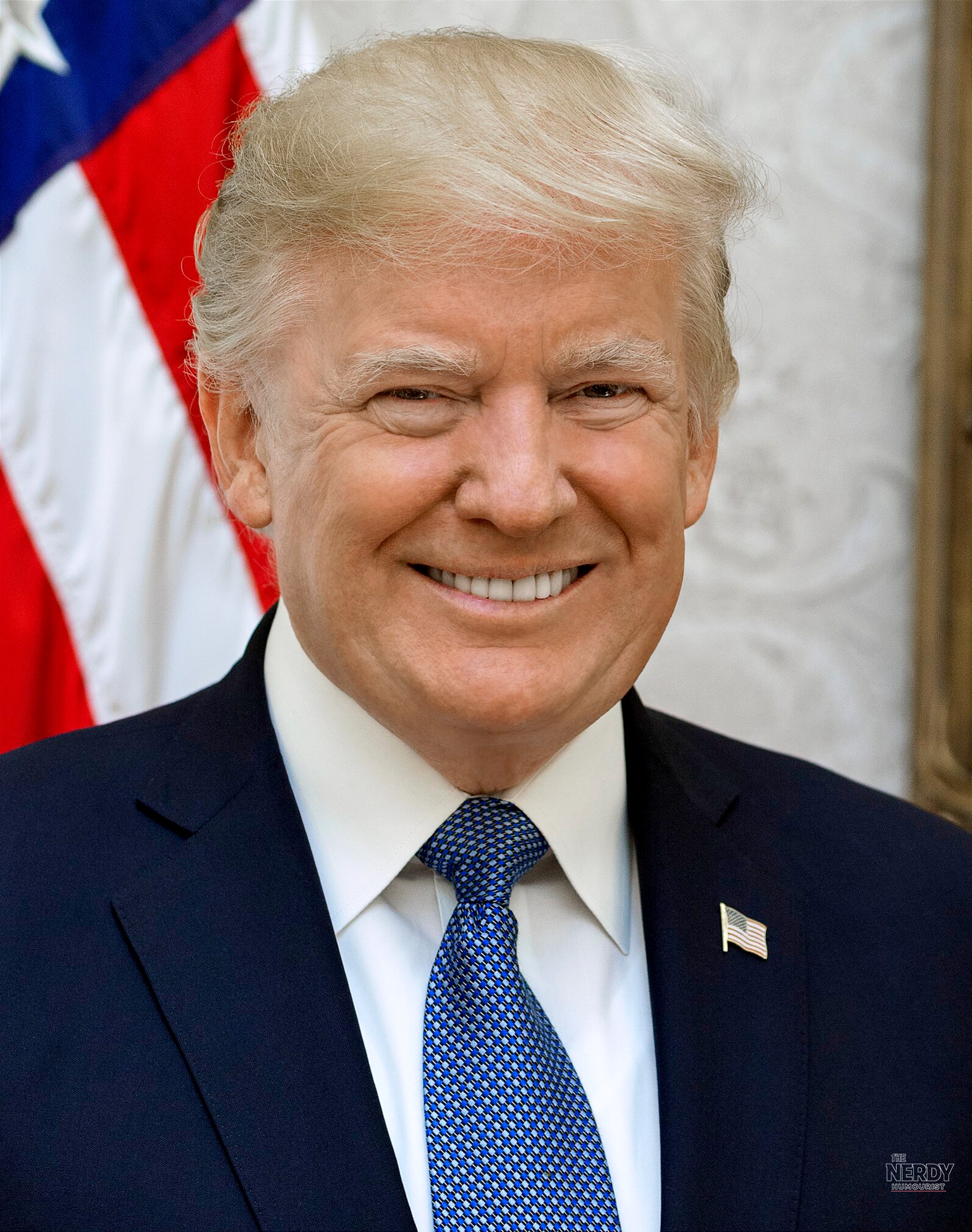
Trump has pointed the finger at Kyiv as well. According to political.org’s summary of his remarks, Trump blamed Ukrainian refinery strikes for rising US diesel prices and suggested Ukraine needs a different leader, saying it should “get a new leader who can make a deal.”
The diesel announcement also arrived as US, Ukrainian, and European officials were due to hold talks in Miami in a fresh diplomatic effort to end Russia’s war, according to CNA. Moscow, which launched its full-scale invasion in February 2022, now occupies roughly one-fifth of Ukrainian territory.
For now, the energy ceasefire exists mainly on Trump’s social media page. Ukraine says it is holding its fire — for now. Russia, in Kyiv’s account, is not. And unless Moscow stops hitting Ukrainian power plants and grids, Zelensky’s message is clear: Ukraine’s drones will keep flying toward Russian refineries.
Related: Trump’s G7 diesel reserves push and export ban debate | how the Strait of Hormuz crisis pushed fuel prices up
Frequently Asked Questions
What did Zelensky say about the energy ceasefire?
At the Warsaw Security Forum on October 12, Zelensky said Ukraine will continue striking Russian oil infrastructure unless Moscow halts its attacks on Ukraine’s energy system. He stressed any ceasefire must cover Ukrainian power plants, grids, and critical infrastructure — not just oil refineries.
What was Trump’s “energy ceasefire” announcement?
On October 11, Trump said an energy ceasefire between Ukraine and Russia took effect immediately. The White House later clarified it concerned a mutual halt to strikes on oil refineries. Russia has not publicly confirmed agreeing to it, and Ukraine says Moscow kept attacking its energy sites.
What is the Trump–Putin diesel deal?
On October 9, Trump announced Russia would supply over 300,000 tonnes of diesel immediately, plus 500,000 tonnes in November and more afterward, in exchange for a temporary US sanctions license lasting until April 7, 2027. Zelensky called it a “weak decision.”
Why are US diesel prices so high?
US diesel prices have surged since late February, when joint US-Israeli strikes on Iran prompted Tehran to block the Strait of Hormuz, disrupting global energy flows. Ukraine’s strikes on Russian refineries and Houthi attacks on Saudi refineries have further tightened supplies, according to The Hindu.

Leave a Reply
You must be logged in to post a comment.