
The G7 nations — the United States, France, Italy, Germany, Japan, Britain and Canada — agreed on Friday, October 2, to release 100 million barrels of diesel and crude oil from strategic stockpiles over the next four months, an amount equal to roughly one day of global oil demand. The G7 diesel reserves release of 100 million barrels will be coordinated by the International Energy Agency, according to The Business Times.
The group called the measures “decisive, coordinated measures to stabilise immediate energy supplies,” and said a “substantial” release of diesel would come within 20 days. The G7 did not specify how much of the total would be diesel versus unrefined crude, and this article does not guess at that split.
The price spiral behind the decision
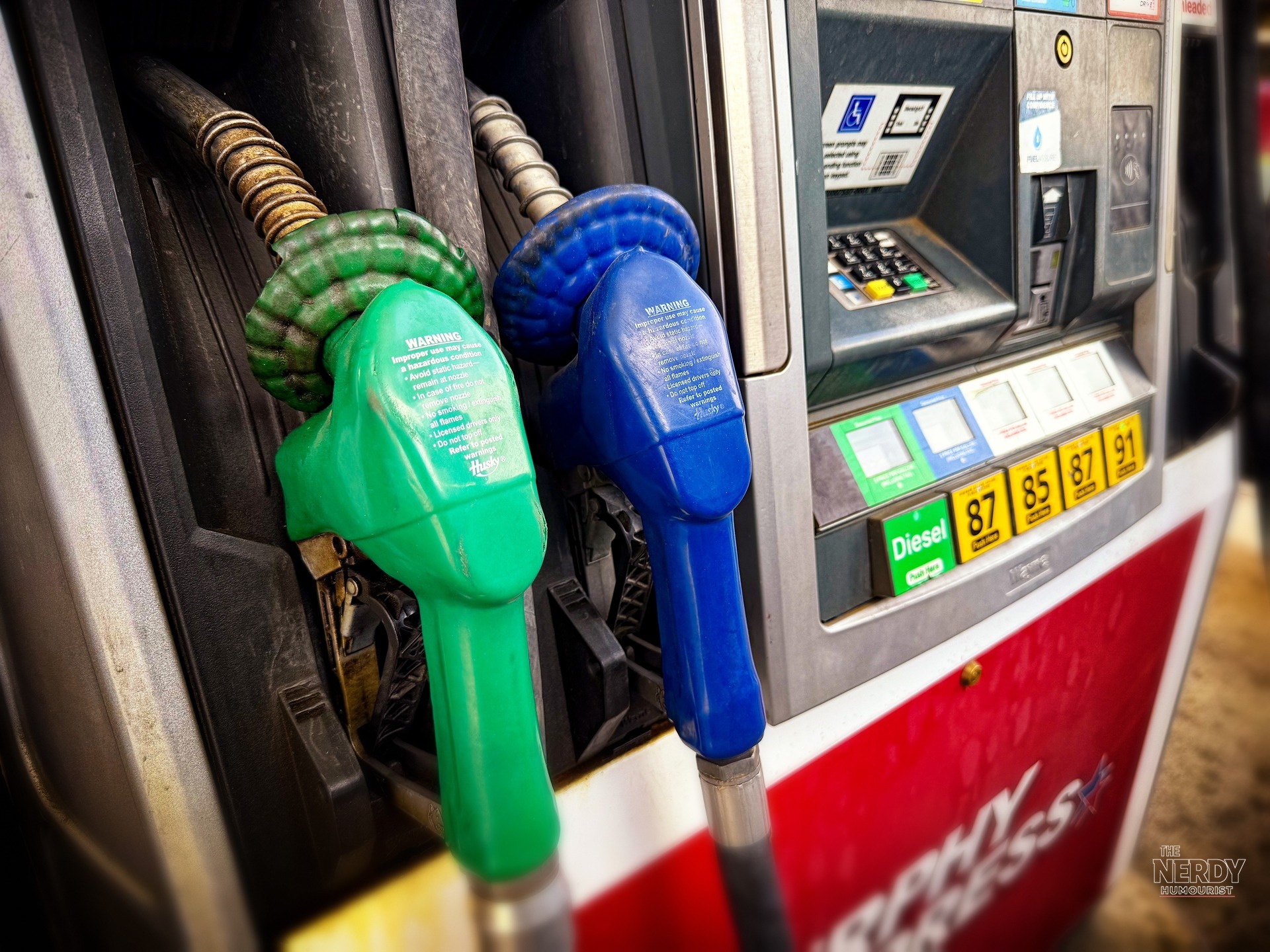
The release caps a punishing run for diesel buyers. The US national average touched a record $6.52 a gallon on September 22, then eased only slightly to $6.37 by October 2 — still levels that strain trucking companies, farmers, and anyone whose business runs on diesel. Because diesel powers the freight fleet that moves goods across the country, record pump prices ripple through supply chains and consumer prices.
Diesel and related fuels make up roughly 28 percent of world oil demand, according to The Business Times — meaning a squeeze in this corner of the market hits the broader economy harder than a gasoline-only price spike would.
Will the G7 diesel reserves release of 100 million barrels be enough?
The headline number is large in isolation — 100 million barrels equals roughly one day of global oil demand. The question now is whether a coordinated four-month release, with its “substantial” diesel portion front-loaded inside 20 days, can do more than dent a market that is short of refining capacity rather than raw crude.
Military strikes on energy infrastructure in the Middle East and Russia have damaged refineries, The Business Times reported — and a refinery shortage is precisely the kind of bottleneck that crude-oil stockpile releases can’t fix on their own. If the undisclosed diesel share of the 100 million barrels turns out to be small, the impact on pump prices may prove fleeting.
Why the G7 diesel reserves release matters: prices at records
Diesel prices had surged to records before the announcement. The US national average stood at $6.37 a gallon on October 2, after hitting a record $6.52 on September 22, according to AAA data cited by the AP.
Diesel and related fuels make up roughly 28 percent of world oil demand and have been in especially short supply because military strikes on energy infrastructure in the Middle East and Russia have damaged refineries, according to The Business Times.
US diesel futures fell 8 percent on Friday morning following the announcement, The Business Times reported, citing the New York Times.
The G7 diesel reserves release of 100 million barrels follows a summer of fuel-price pain. Readers can see the earlier record run in our report on oil topping $106 with diesel at record highs and the record gas prices in Chicago.
Trump backs off the diesel export ban
The decision came after Trump threatened a US diesel export ban. French President Emmanuel Macron convened a G7 leaders’ video call, and Trump then told reporters the ban was off: “We’re not going to be doing the export ban.”
But on the same day, Trump also told reporters, “We were never going to do it” — despite having encouraged advisers to support it last month, according to The Business Times and The Malaysian Reserve. The contradiction went unexplained.

What comes next
The G7 said a “substantial” release of diesel would begin within 20 days, with the full 100 million barrels flowing over four months. Whether the coordinated release can hold prices down through the winter — and through the November midterm elections, where fuel prices are a top voter issue — will depend on how much of the barrel total turns out to be diesel rather than crude, a figure the group has not disclosed.
FAQ
How many barrels are the G7 releasing?
The G7 agreed to release 100 million barrels of diesel and crude oil from strategic stockpiles over four months, roughly equal to one day of global oil demand. The exact diesel-versus-crude split was not specified.
Why is diesel so expensive right now?
Diesel and related fuels make up about 28 percent of world oil demand and have been in especially short supply because military strikes on energy infrastructure in the Middle East and Russia have damaged refineries, according to The Business Times.
What happened to Trump’s diesel export ban?
Trump backed off the threatened ban after the G7 announcement, telling reporters: “We’re not going to be doing the export ban.” On the same day he also said “We were never going to do it,” despite having encouraged advisers to support the ban last month.
When will the diesel release start?
The G7 said a “substantial” release of diesel would come within 20 days, with the coordinated effort managed by the International Energy Agency over four months.
Sources: The Business Times; The Malaysian Reserve.

Leave a Reply
You must be logged in to post a comment.