
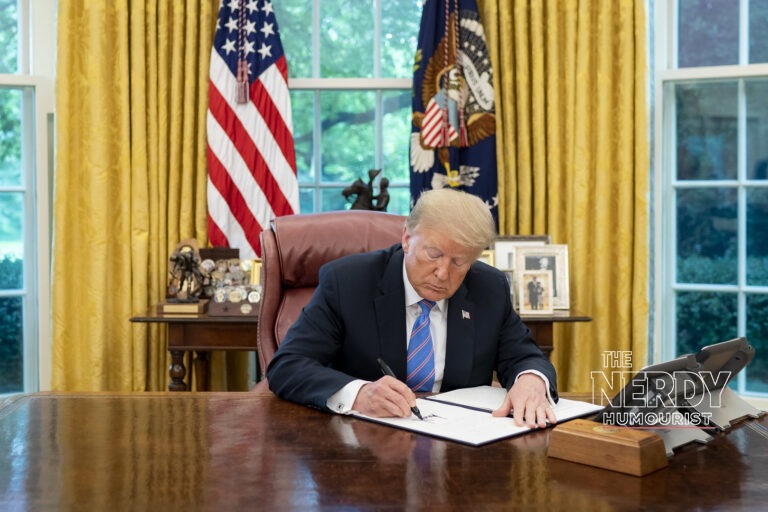
President Donald Trump on Friday signed an executive order implementing new sanctions and tariffs under the Lindsey O. Graham Sanctioning Russia and Iran Act of 2026 — and in the same order, immediately waived them, citing the national interest of the United States. The Trump Russia sanctions waiver puts on hold some of the toughest economic measures Congress has ever aimed at Moscow, including a proposed 500 percent tariff on Russian goods, according to CNBC-TV18 and Headwaters Wire.
The move comes less than a month after the law itself took effect. The Graham Act was signed into law on September 18, 2026, designed to increase economic pressure on Moscow over the war in Ukraine, which began with Russia’s invasion in February 2022.
What the Trump Russia sanctions waiver does
The executive order laid out a sweeping set of duties before waiving them: 500 percent ad valorem on goods from the Russian Federation; 100 percent on goods from the five largest importers of Russian crude oil and natural gas, applying if a country knowingly makes new purchases on or after October 18, 2026; and 100 percent on goods from the top five facilitators of Russian oil sanctions evasion.
Section 4 of the executive order then immediately waived the duties laid out in sections 112 and 113 of the Act, along with the sanctions provisions in sections 102(a), 102(d), 103, and 117. The president certified to Congress that the waiver is in the national interest of the United States, according to the order’s details reported by Headwaters Wire.
The waivers remain in effect until Trump, or the Secretary of State in consultation with the Treasury Secretary and the US Trade Representative, determines that further action is appropriate. The US Trade Representative will monitor countries’ purchases of Russian energy and report back to the president.
The law’s waiver provision made this possible
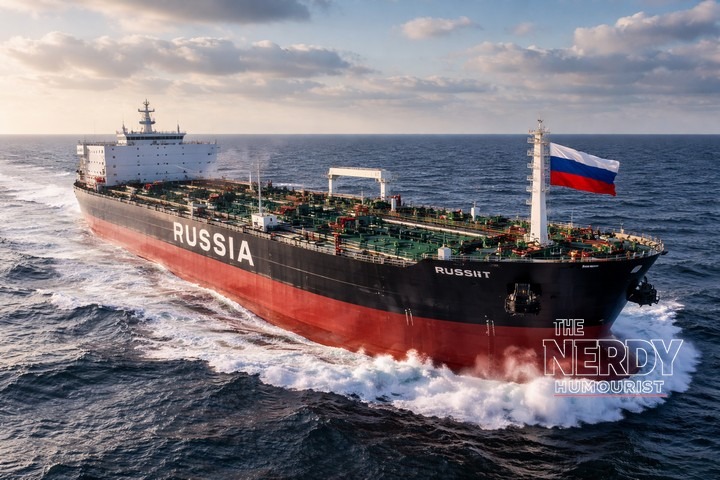
Trump’s order did not come out of thin air. The Graham Act itself contained a provision allowing the president to suspend the measures when he determines that doing so serves the national interest — and the executive order explicitly invoked that authority. The president has long argued that easing fuel costs for Americans is a core national priority, and days before the waiver he announced a deal with Russian President Vladimir Putin under which Russia would supply diesel directly to the United States.
Existing US sanctions imposed under earlier Russia-related national emergency executive orders are not affected by the waiver, according to the order’s terms.
The Trump Russia sanctions waiver and pump prices
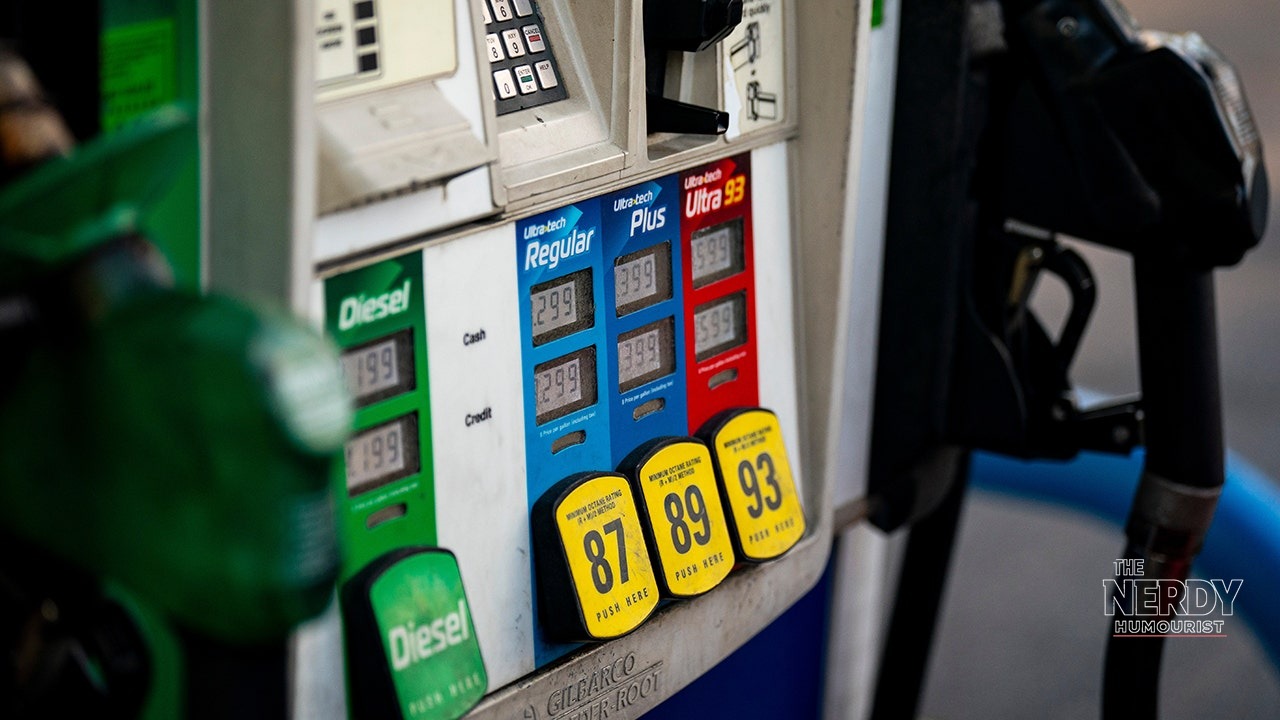
For American drivers, the waiver is fundamentally about fuel prices. Days earlier, Trump announced that Russia would supply more than 300,000 tons of diesel immediately, followed by 500,000 tons in November, one million tons “immediately thereafter,” and another three million tons “within a short period” — a deal that followed his public pledge to bring US fuel prices down.
The context is a punishing year at the pump. Diesel remains the fuel of freight, farming, and construction, so its price hits the real economy far more directly than gasoline alone. When the G7 nations agreed earlier this month to release 100 million barrels of diesel and crude from strategic reserves — a move we covered as diesel touched record levels near $6.37 a gallon — it underscored how tight refined-fuel supplies have become. The Russian diesel deal, and now the waiver that clears trade obstacles in its path, are part of the same effort to ease that pressure. Readers can see how oil markets got here in our report on Brent crude topping $106 with diesel at record highs.
Whether Russian diesel can actually move the needle at American pumps is unconfirmed. The shipments’ delivery timelines, the refining capacity to absorb them, and how tariffs already in place interact with the new supplies have not been publicly detailed.
Moscow’s reaction and the sanctions policy shift
Russian presidential envoy Kirill Dmitriev welcomed the waiver on X, calling it an “important and truly historic moment.” The praise highlights the political weight of the move: an American president setting aside, at least temporarily, penalties that Congress designed to squeeze the Russian economy over the Ukraine war.
The waiver also marks a notable shift in US sanctions policy. The Graham Act was crafted to force third countries to choose between doing business with Russia and facing crushing tariffs — the 100 percent duties on the biggest buyers of Russian crude and the top facilitators of sanctions evasion would have threatened major trade relationships worldwide. By invoking the national-interest waiver, Trump kept that leverage unspent while preserving the option to revive it.
Because the waiver stays in force until the president or the secretary of state decides otherwise, the measures could theoretically snap back into effect if the administration judges that circumstances warrant it. For now, though, the tariff threats are suspended — and the administration’s stated priority is cheaper fuel.
Frequently Asked Questions
What is the Trump Russia sanctions waiver?
It is an executive order signed October 16, 2026, in which President Trump implemented and then immediately waived new sanctions and tariffs authorized by the Lindsey O. Graham Sanctioning Russia and Iran Act, certifying to Congress that the waiver serves the US national interest.
Which sanctions were waived?
The order waived duties of 500 percent on Russian goods and 100 percent on goods from the top importers of Russian crude and the top facilitators of Russian oil sanctions evasion, plus sanctions provisions in sections 102(a), 102(d), 103, and 117 of the Act. Sanctions under earlier Russia national-emergency orders remain in place.
Why did Trump waive the sanctions?
He invoked the Act’s national-interest waiver provision. The move follows his pledge to ease US fuel prices and his announcement of a deal for Russia to supply millions of tons of diesel to the United States.
How does the waiver affect gas and diesel prices?
Directly, the waiver removes tariff obstacles that could have complicated Russian diesel imports. Whether those imports will actually lower pump prices depends on delivery timelines and refining capacity — details that remain unconfirmed.
Sources: CNBC-TV18; Headwaters Wire; WION.


Leave a Reply
You must be logged in to post a comment.