
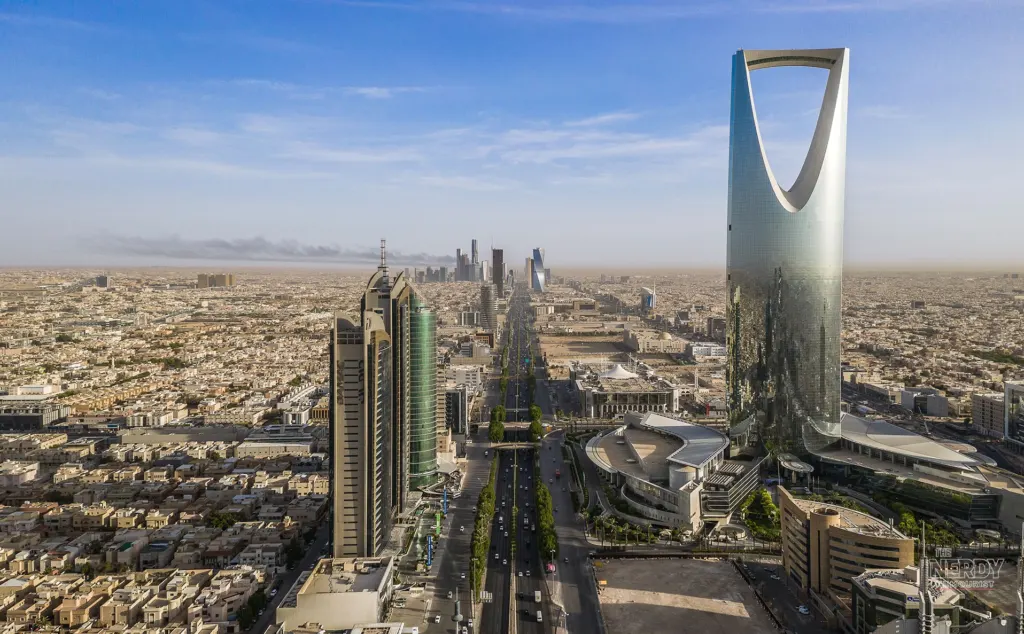
The United States has told its non-emergency government workers and their families to get out of Saudi Arabia. The order took effect on October 23, 2026, and it landed as Houthi attacks on the kingdom kept climbing — hitting civilian airports, an oil field, and the airspace over Riyadh itself.
Washington isn’t calling it an evacuation of the embassy. It’s an ordered departure, a step short of that, and it covers non-emergency staff only. But the message behind it is blunt: American officials now see Saudi airports and critical infrastructure as targets, not just background risk.
The order, in plain terms
State Department spokesperson Tommy Pigott announced the move in a post on X on Wednesday, October 21. “Iranian-supported Houthis have increasingly engaged in hostilities against Saudi Arabia, including attacks on civilian airports and other critical infrastructure resulting in civilian casualties and severe travel disruptions,” he wrote.
A security alert from the US Mission in Saudi Arabia then put the effective date at October 23. It added a restriction that shows how seriously Washington is taking the threat: US government employees in the kingdom now need special authorization from the Chief of Mission to use any airport in Saudi Arabia.
That line matters. It tells staff the danger isn’t confined to one city or one incident. It’s the air system itself.
Pigott pushed back on one part of the early reporting. He said the order applied to “non-emergency US government employees and their family members in Saudi Arabia only,” and called a report about wider departures across the Gulf inaccurate. Reuters, citing four US officials, had reported that missions in other Gulf states were also planning to withdraw family members. The two accounts don’t fully square, and the State Department hasn’t resolved the gap publicly.
What triggered it: Dammam and Shaybah
Two attacks in the same week did much of the damage.
On Wednesday evening, an attack on King Fahd International Airport in Dammam killed two people — a Saudi citizen and an Indian national — and wounded eight others, according to Saudi Arabia’s General Authority of Civil Aviation. The authority said injuries ranged from minor to serious, and that airport operations resumed with air traffic returning to normal.
The same day, falling debris from an intercepted drone targeting the Shaybah oil field near the UAE border killed two more people, a Filipino and a Nepali national, and injured two others, the Saudi energy ministry said. The ministry didn’t say who launched that drone. Earlier that day, the Saudi-led coalition in Yemen reported intercepting six drones.
Then came Sunday. Coalition spokesperson Colonel Turki bin Saleh al-Maliki said air defences intercepted and destroyed a ballistic missile launched toward Riyadh. The Houthis, Yemen’s Iran-aligned movement, had already warned airlines this month against using Saudi airspace as their campaign against the kingdom intensified.
Saudi authorities haven’t identified those responsible for every strike. The pattern, though, is what moved Washington: near-daily attacks this month, civilian sites among them, and a strike on Riyadh’s international airport that officials described as the kingdom’s deadliest in years.
Airports, flights, and the oil price
For ordinary travelers, the picture on Monday was messy but not shut down.
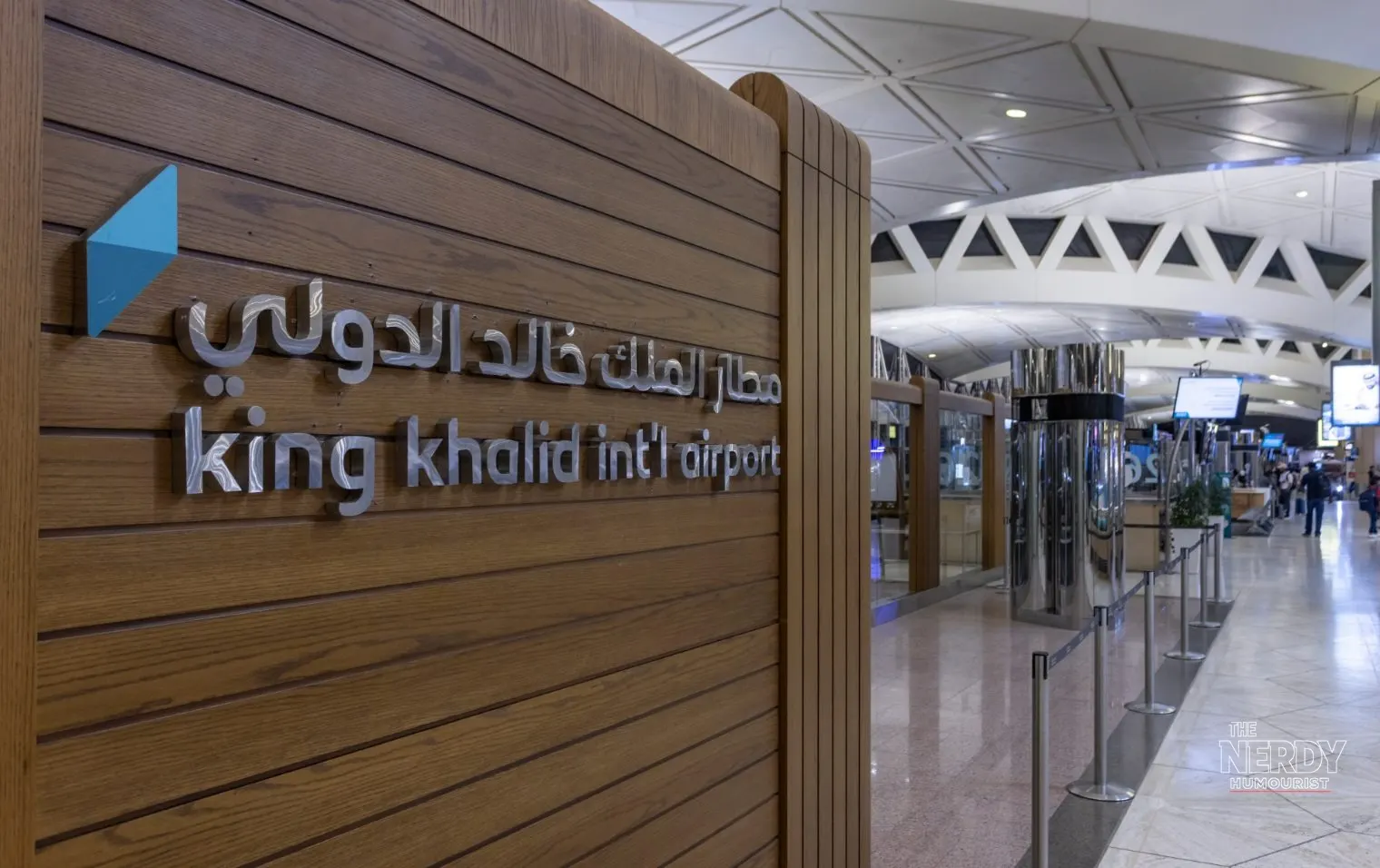
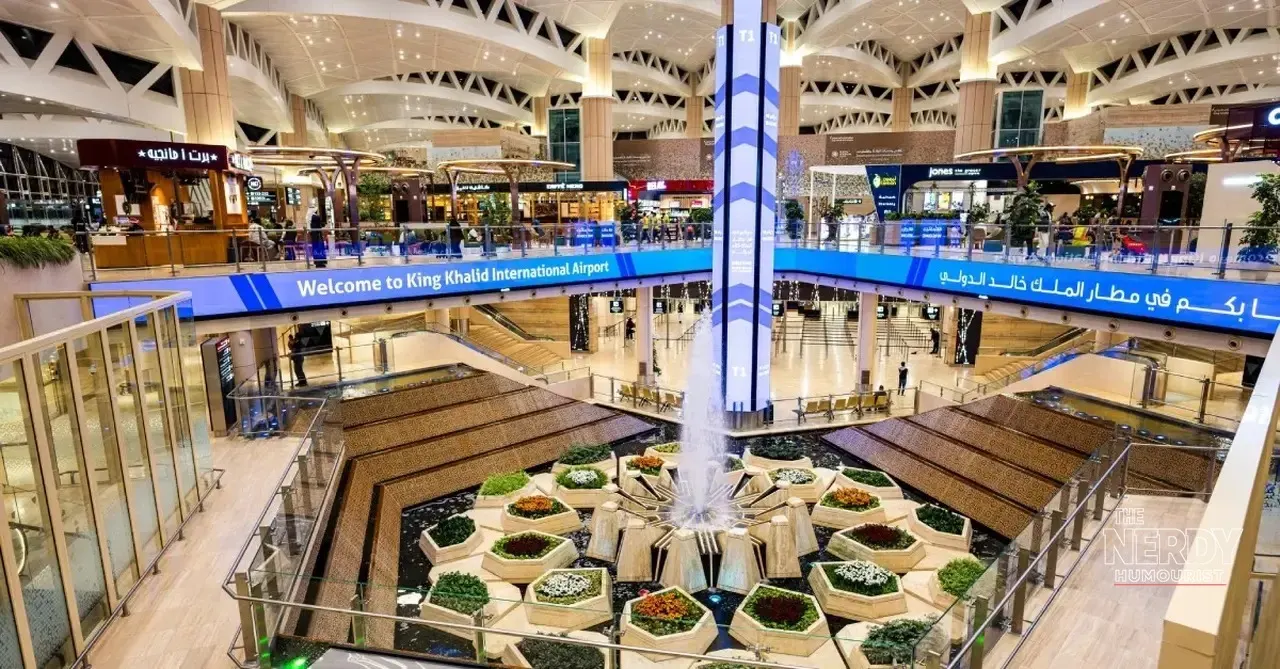
King Khalid International Airport in Riyadh announced a partial reopening as of October 25 for domestic flights and some international flights operated by national carriers, the US Embassy alert said. A limited number of flights normally based in Riyadh were operating out of Prince Naif bin Abdulaziz International Airport in Qassim instead. Operations at King Abdulaziz International Airport in Jeddah and King Fahd International Airport in Dammam remained open, though subject to what the embassy called “some delays and cancellations.”
Private Americans got a sterner warning. “US citizens should be aware of potential attacks on airports, airspace closures, flight cancellations, and travel disruptions,” the mission said, urging travelers to check flight status directly with airlines and airports before heading out.
The markets noticed, too. Brent crude rose to $116.72 a barrel, its highest since April 29, on fears of new fighting with Iran, according to a Monday market report. Airlines and dollar stores fell on fuel costs. Exxon, Chevron, and ConocoPhillips, the companies selling the oil, hit all-time highs.
Trump: no strike on Iran “today”
Meanwhile, the departure order landed in the middle of a second, larger standoff: the US confrontation with Iran.
President Donald Trump told reporters on Sunday, before departing for Michigan, that the United States would not strike Iran that day. Asked whether an attack was coming, he first answered, “Would I tell you that?” Then he clarified: “The answer is no. There will not be a strike today.”
That didn’t end the threat. Trump said earlier on Sunday that he was still weighing whether to reach an agreement with Iran or continue military operations, framing the choice as whether to “finish the job” or strike a deal. Iran, for its part, has said diplomatic messages are still passing through intermediaries, even as Tehran rejected Washington’s demands as amounting to what it called “complete surrender.”
Qatari mediators were in Tehran on Sunday as part of an effort coordinated with Washington to ease tensions, according to a source familiar with the discussions. Whether that channel produces anything is unconfirmed, and both sides have shifted positions before.
The wider conflict has roots in the US-Israeli war on Iran that began in late February. Washington pulled many diplomatic personnel out of the region when Tehran launched attacks on US facilities after that war started, then returned some of them in recent months, Reuters reported. The October departure order reverses part of that return.
What to watch next
Three things will tell us where this goes.
First, the airports. If Riyadh’s partial reopening holds and expands, that’s a sign Saudi defences and airlines think the immediate wave has passed. If flights keep shifting to Qassim or getting cancelled, the disruption is deepening.
Second, the Houthi tempo. Near-daily attacks this month forced this decision. A pause would ease it. Another airport strike would almost certainly harden it.
Third, the Iran channel. Trump’s “no strike today” left every other day open. A deal would calm the region fast. A strike would do the opposite, and the departure order suggests Washington is already planning for the harder version of events.
For now, the Americans who had to leave are gone or going, the airports are half-open, and the region waits on a decision only a few people get to make.
Frequently asked questions
Why did the US order staff out of Saudi Arabia?
Because of escalating Houthi attacks on civilian airports and critical infrastructure, according to the State Department. The attacks killed civilians and caused severe travel disruption, and Washington judged the risk to non-emergency personnel too high.
Does the order cover all US embassy staff?
No. It covers non-emergency US government employees and their family members in Saudi Arabia only, according to spokesperson Tommy Pigott. Emergency and essential staff remain.
Are Saudi airports still open?
Mostly, yes, with disruption. Riyadh’s King Khalid airport partially reopened on October 25 for domestic and some national-carrier international flights, while Jeddah and Dammam stayed open with delays and cancellations, the US Embassy said.
Did the US strike Iran?
No strike happened on Sunday, October 25 — Trump said so himself. He left open the possibility of military action later, while also saying a deal remained possible. Nothing beyond that has been confirmed.
Related on The Nerdy Humourist: FlyDubai FZ1073 cockpit attack and Saudi Arabia emergency landing. Sources: Reuters via BusinessWorld, Al Jazeera, US Embassy alert via Business Standard.


Leave a Reply
You must be logged in to post a comment.