
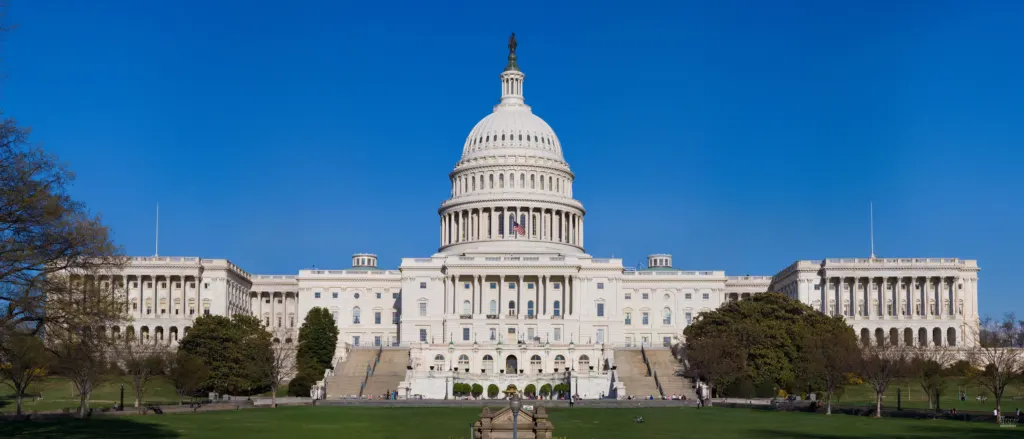
Americans are voting on Tuesday, November 3, 2026, in a midterm election that will decide who runs Congress for the last two years of Donald Trump’s presidency. All 435 House seats, 35 of the 100 Senate seats, and governorships in 36 states are on the ballot.
The US midterm election day 2026 arrives after a record rush to vote early. More than 54 million Americans had already cast ballots before Tuesday, according to the University of Florida’s Election Lab, as reported by USA Today — about 30 million in person and roughly 24 million by mail, against 45.9 million early votes in total in 2022.
Polls close at different times state by state, starting at 6 p.m. Eastern, with Alaska closing well after midnight Eastern. Results will trickle in through the night, and close races could stay uncalled for days while mail ballots are counted and certified. Nothing in this article calls a race. At the time of writing, voters were still voting.
A narrow Republican hold, under pressure
Republicans go into the day defending thin majorities: 218 House seats to 214 for Democrats, with one independent and two vacancies, according to Al Jazeera. Democrats need a net gain of three seats to take the House, and four in the Senate, where Republicans hold 53 seats to 47 for Democrats counting two independents who caucus with them.
Polls taken before Election Day pointed toward Democratic gains, but polls are not votes. A final Reuters/Ipsos survey put Democratic congressional candidates ahead 46% to 38% among registered voters, according to Al Jazeera. Final New York Times/Siena polls, released November 1, found Democrats leading in all seven Senate states surveyed, USA Today reported. Several of those races sat inside the margin of error, and Siena director Don Levy put it plainly: Democratic Senate control was a distinct possibility, but either party could still win.
Trump spent his final scheduled appearance before polling day talking about the Lincoln Memorial Reflecting Pool. On Monday, November 2, he stood beside the Washington landmark, showed photos of corroded pipes, and discussed drainage and resurfacing work, according to Al Jazeera. In the same speech, he urged voters to back Republicans and called the election the most important midterm of his lifetime, Republic World reported. He also claimed record-high personal incomes and a record-low poverty rate — his pitch, not verified figures.
Cost of living kept surfacing as the issue voters named most. An FT/Focaldata poll of 2,163 registered voters, conducted October 30 to November 1, found almost 70% disapproved of Trump’s handling of inflation and the cost of living, Al Jazeera reported. The New York Times poll tracker put his overall approval at 36%.
The Supreme Court ruling that landed on the eve of voting
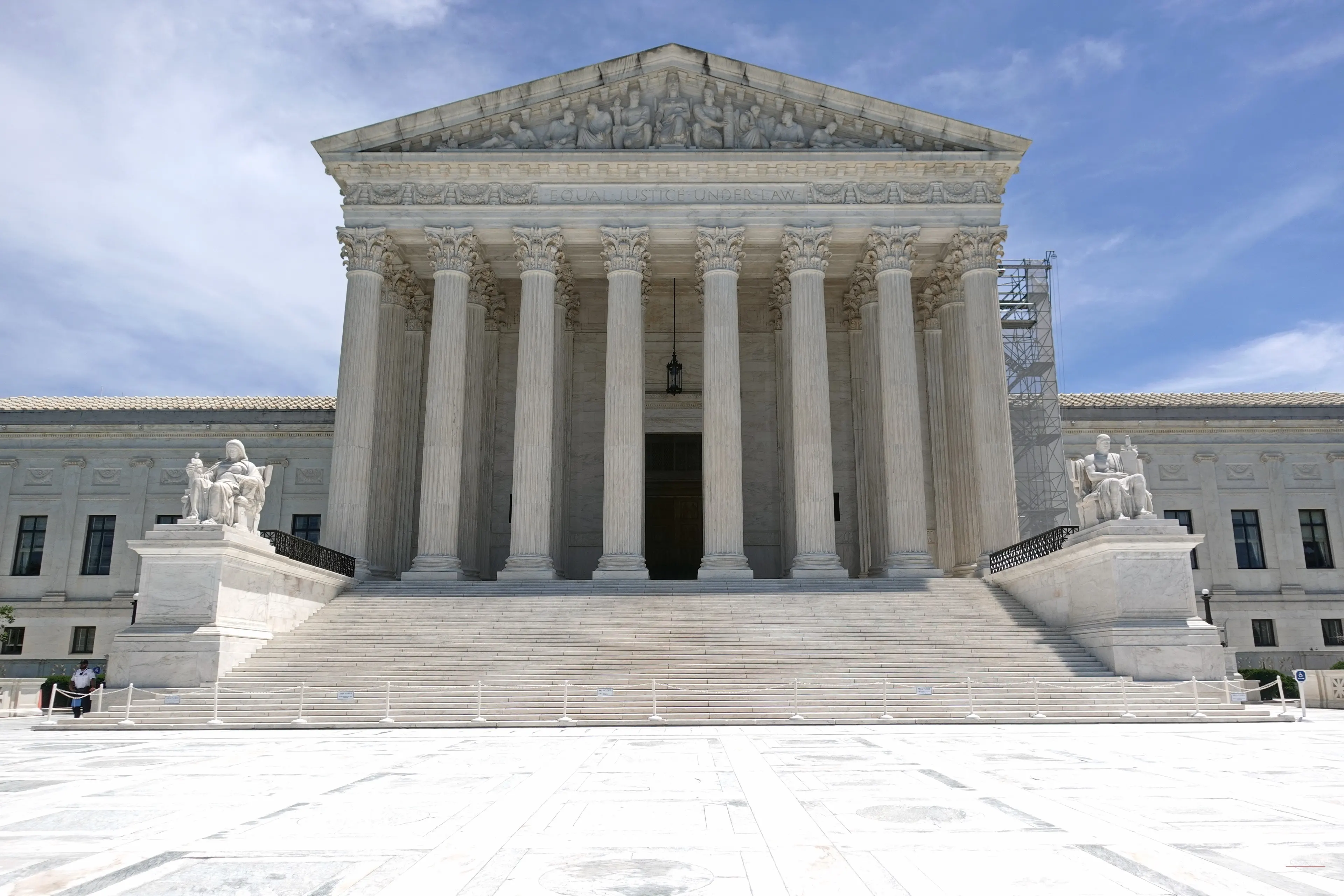
Hours before polls opened, the Supreme Court handed California a win in a ballot fight that had raced through the courts in days. On Monday, the justices rejected a Trump administration emergency request to set aside mail-in ballots from more than 20,000 registered voters the Justice Department alleged were likely not US citizens, CNN reported. The order ran one sentence, gave no reasoning, and drew no public dissent.
Why does that matter? Because the ballots in question were likely already counted, or close to it, according to the Justice Department’s own filing as quoted by CNN. The administration wanted California to separate those ballots and hold them uncounted until each voter’s citizenship could be checked. Solicitor General D. John Sauer warned that once California mixed the challenged ballots with lawful ones, there would be no way to pull them back out.
Lower courts had already said no. US District Judge David Carter rejected the request on October 28, and the 9th US Circuit Court of Appeals refused it again on October 30, according to CNN and USA Today. Carter wrote, in words USA Today quoted, that never before had the federal government sought to coerce a state to abandon its constitutional election procedures and bend to the will of the executive branch.
The administration’s numbers shifted as the case moved. It first accused California of having 190,000 illegal voters on its rolls, then revised the figure to 20,000, according to Reuters reporting carried by Malay Mail. Every court to consider the case rejected the request, CNN reported, and the Supreme Court did not even ask California for a response brief — a step it usually takes when seriously weighing an emergency request.
Nor was this his first election loss at the high court this fall: in September, the justices rejected his plan to change how mail ballots are sent to voters, CNN reported.
One caution belongs here. The ruling does not settle who won any race, and it says nothing about the citizenship of any individual voter on the list. California keeps counting under its existing procedures. The citizenship allegations remain unconfirmed in court, and no court has found that the disputed ballots were cast unlawfully.
What early voting can — and can’t — tell us
The early-vote surge is real, and it is also easy to misread. Michael McDonald, who runs the University of Florida’s Election Lab, said the early electorate looked younger, more diverse and more independent, USA Today reported. That is his read on who showed up, not a prediction of who won.
Early votes do not reveal party preference on their own. A big early turnout in Texas — more than 7.7 million before Election Day, according to USA Today — tells us Texans turned out, not whether they picked Democrat James Talarico or Republican Ken Paxton. Talarico led Paxton 50% to 43% in the final Times/Siena poll, but that poll carries a margin of error.
Some state jumps stand out anyway. North Carolina closed early voting with 2,816,821 ballots, 35.7% of registered voters, up from 29.0% four years earlier, according to WBTV figures cited by Nacionale. South Carolina’s early-vote increase reached 83%, the Associated Press found. Readers who want the battleground picture can look back at our earlier midterm battle map and our report on data-center ballot measures.
Races to watch when results come in
A handful of contests will shape the night.
In California’s 11th District, San Francisco voters are choosing a successor to Nancy Pelosi for the first time in nearly four decades, USA Today reported. State Sen. Scott Wiener led Supervisor Connie Chan in the June primary, 40.7% to 29.7%, and a USC poll published October 22 gave Wiener a slight lead, 47% to 41%.
In Texas, the Talarico–Paxton Senate race is the most watched of the cycle, USA Today noted. In Kansas, Democrat Adam Hamilton led Republican Sen. Roger Marshall 49% to 41%. In Michigan, El-Sayed led Republican Mike Rogers 53% to 42%. Alaska and Iowa looked tighter: Mary Peltola led Republican incumbent Dan Sullivan 48% to 46% in Alaska, and Democrat Josh Turek led Republican Ashley Hinson 48% to 47% in Iowa.
Governors’ races in 36 states will also reset statehouses. South Carolina Democratic Senate candidate Dr. Annie Andrews made opposition to the US war in Iran central to her closing pitch, Al Jazeera reported. Whether it moves votes is unconfirmed.
What happens after the votes are counted
Nothing ends on election night. Media outlets project winners when the data allows it, but those projections are not official results. State officials must canvass votes, run audits, and certify on their own timetables — Georgia by November 20, California counties by December 3, statewide by December 11, according to the Economic Times.
If Democrats take the House, Trump’s legislative agenda stalls, and House committees gain subpoena power over his administration. If Republicans hold both chambers, the last two years run on the same track as the first two. If the chambers split, expect gridlock, and expect the fight to shift to executive orders and courts.
For now, the honest summary is this: tens of millions voted early, millions more voted Tuesday, and the count will decide what happens next. Treat anything labeled a projection as exactly that — a projection, not a certificate.
Frequently Asked Questions
When is the US midterm election day 2026?
Tuesday, November 3, 2026. Polls close at different times per state, starting at 6 p.m. Eastern, with Alaska closing after midnight Eastern.
What’s actually on the ballot?
All 435 House seats, 35 Senate seats, and governors in 36 states, plus state and local races. Democrats need a net gain of three House seats and four Senate seats to take Congress.
When will we know who won?
Some races will be projected on election night. Others take days or weeks. Election-night totals are preliminary, not official.
What did the Supreme Court decide about California ballots?
On November 2, it rejected a Trump administration request to set aside mail-in ballots from more than 20,000 California voters alleged to be noncitizens. California keeps counting under its existing procedures. No justice publicly dissented, the court gave no reasoning, and the claims remain unconfirmed.


Leave a Reply
You must be logged in to post a comment.