
The 2026 midterm elections are less than a month away, and the battle map keeps growing — in the wrong direction for Republicans. With the GOP defending a 53-47 Senate majority and a razor-thin 218-214 House edge, President Donald Trump spent Saturday in Tennessee rallying the base, the latest stop in a frantic effort to hold deep-red states that were never supposed to be competitive.
On Saturday, Trump flew to Clarksville, Tennessee, for a rally — scratching plans to fly to Tuscaloosa to catch the Alabama-Georgia game Saturday night because of Hurricane Isaias, according to the New York Post. It was his latest jaunt into red territory as Republicans scramble to put out brush fires across the country.
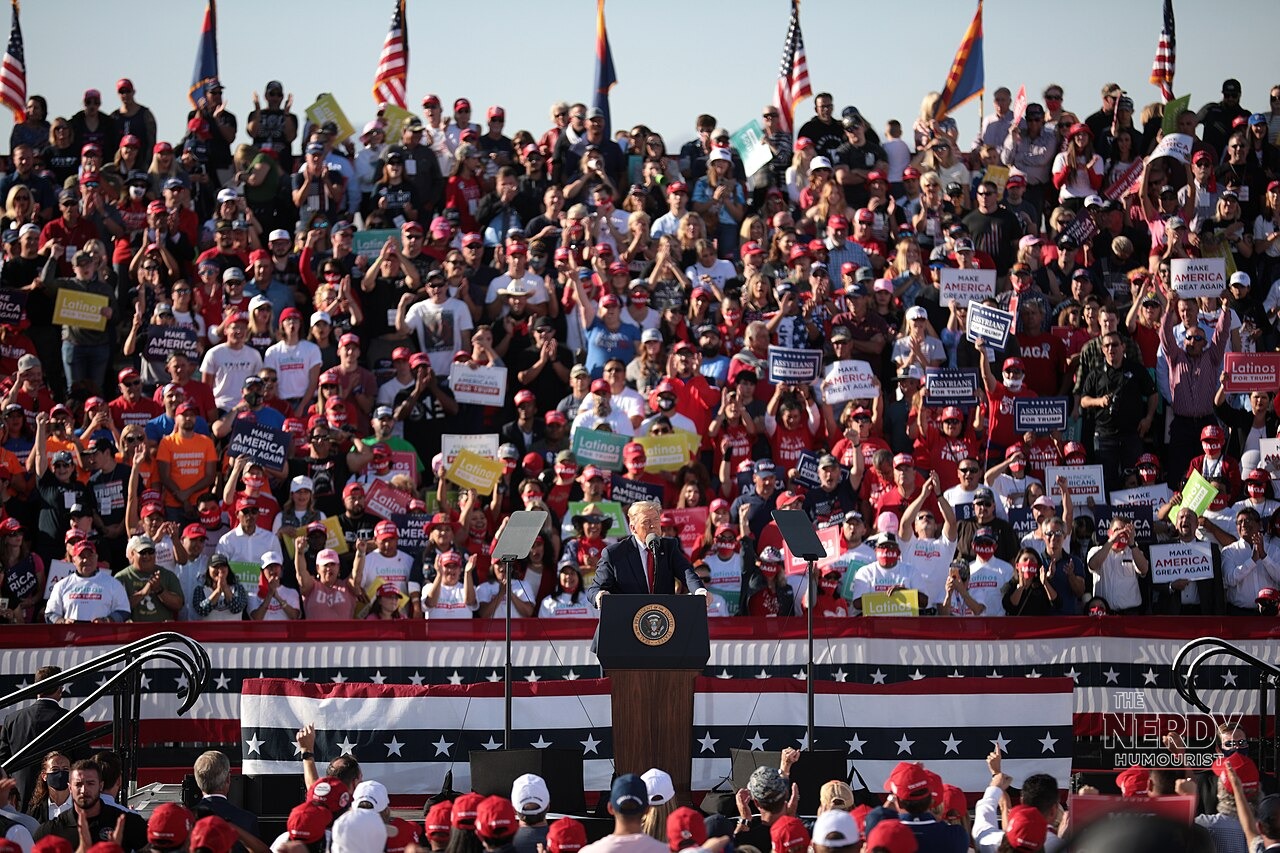
2026 Midterm Elections: Nebraska and Ohio Become Battlegrounds
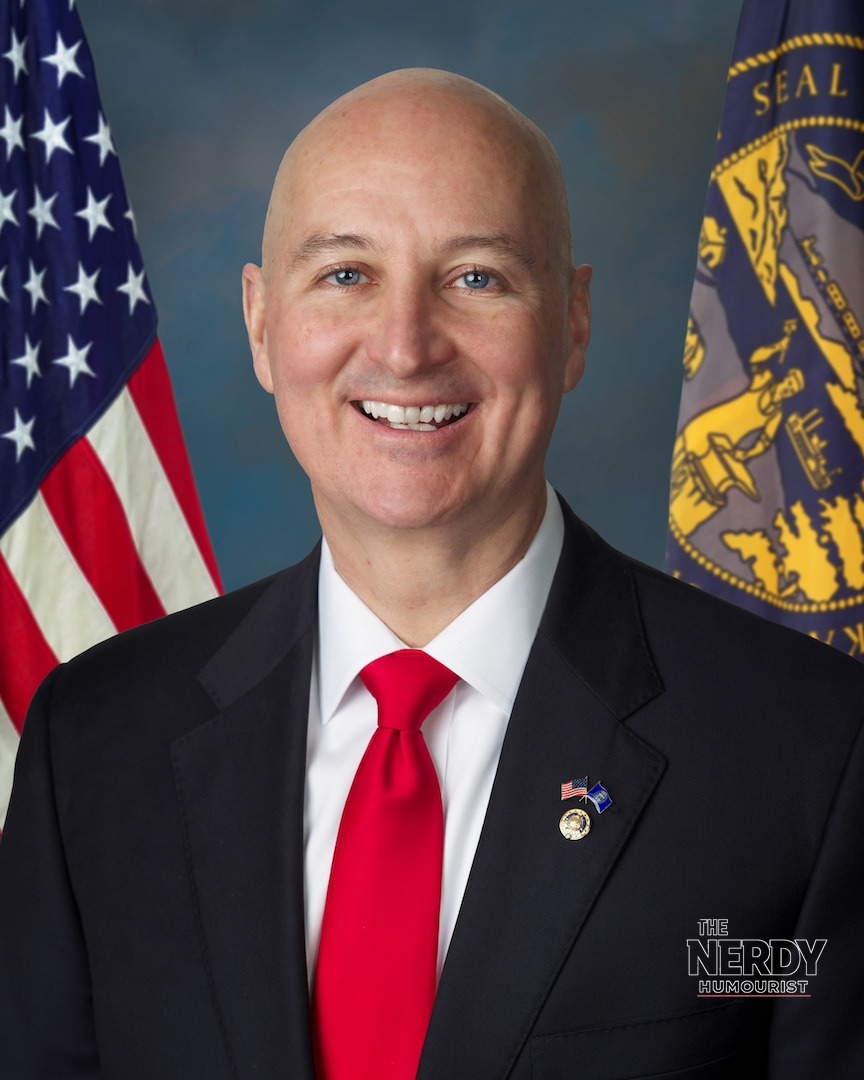
Nebraska — a state that has not elected a Democrat to the Senate in decades — is now on the map. Sen. Pete Ricketts (R-Neb.) is locked in a tight race with Dem-backed independent Dan Osborne, and Trump traveled to Grand Island on Oct. 5 for the first time since 2022 to campaign for him. Soaring gas and diesel prices are taking a toll on the state’s farmers, and polls show the race close.
“I think the president’s coming to Nebraska to help me campaign so I can get reelected,” Ricketts told reporters bluntly before the visit.
Ohio is another red-state headache. Trump rallied in Vandalia on Oct. 3 to bolster incumbent Sen. John Husted — appointed to fill the seat of Vice President JD Vance — and gubernatorial candidate Vivek Ramaswamy, both of whom find themselves in tight races in a state Trump carried by 11 points in 2024. A new Marist University poll has former Sen. Sherrod Brown up 8 points over Husted, the Post reported.
The number of competitive Senate races has grown from 5 to 13 since the start of the cycle, with Democrats now needing a net gain of four seats out of nine opportunities rather than four out of two, per analysts cited in the coverage.
Kansas, Texas, Alaska and South Carolina in Play for 2026 Midterm Elections
The brush fires extend well beyond the Midwest. In Kansas, Sen. Roger Marshall is in a competitive race against Democrat pastor Adam Hamilton in a state where Democrats haven’t picked up a Senate seat in a century. In Texas, Republicans have been pouring money into propping up Attorney General Ken Paxton’s Senate campaign after what the Post called self-inflicted wounds — a race one GOP strategist estimated could cost the party $300 million.
Even Alaska is drawing presidential attention: Trump is planning an Oct. 13 trip to boost Sen. Dan Sullivan (R-Alaska), and announced a $54 billion South Korean investment in an LNG pipeline there — though Korean officials say it is not a done deal yet.
In South Carolina, appointed Sen. Darline Graham (R-SC) holds only a narrow 2-point lead in the RealClearPolitics average in a heavily Republican state. In Maine, Sen. Susan Collins (R-Maine) is relying on her long record of outperforming her party against challenger Troy Jackson, after prior Democratic nominee Graham Platner’s campaign imploded.
A new batch of YouGov polls released Oct. 6 showed Democratic candidates — or an independent who caucuses against Republicans — leading in six of seven closely watched Senate races, according to USA Today. Many contests remain within the margin of error, but the surveys point to multiple pickup opportunities for a party trying to overcome a difficult Senate map.

What the Polls Say About the 2026 Midterm Elections
The primary driver of the shift is the president’s standing. Trump’s job approval has fallen from a post-inauguration high of 52% in January 2025 to roughly 37% nationally as of early October, according to Nate Silver’s polling average cited by Roll Call. A Reuters/Ipsos poll completed Oct. 5 put his approval at 32% — matching the lowest reading of his political career — while registered voters preferred Democrats over Republicans 44% to 37% on the generic midterm ballot.
Voters in deep-red states like Ohio and Iowa tell CNN pollsters that Trump’s policies have increased their cost of living, that gas prices have been a hardship, and that tariffs on foreign goods have hurt their states. About four in ten likely voters in both states say they are financially worse off than two years ago.
The GOP is fighting back with money. Trump has a $400 million war chest, and the party holds a roughly $100 million funding advantage over Democrats through its party committee. “They will win in all those places. The atmosphere is not great but I’ve seen worse,” longtime GOP operative John Feehery told the Post.
Sen. Steve Daines (R-Mont.) compared the cycle to 2006, when Republicans lost six Senate seats and the majority: “Think about the condition of the country back in ’06 — an unpopular war. Six in 10 Americans opposed the Iraq War at that point. Gas prices had doubled. Does it sound familiar? We ended up losing six seats.”
With the midterms also deciding down-ballot measures — including data-center ballot measures in several states — Election Day on Nov. 3 is shaping up as the most consequential in years.
2026 Midterm Elections: Frequently Asked Questions
When are the 2026 midterm elections?
Election Day is Tuesday, November 3, 2026. All 435 House seats and 33 Senate seats are on the ballot.
What do Democrats need to win the Senate?
Democrats need a net gain of four seats to take control of the 100-member Senate from the Republicans’ current 53-47 majority.
Which Senate races are the most competitive?
Nebraska (Ricketts vs. Osborne), Ohio (Husted vs. Brown), Kansas (Marshall vs. Hamilton), Texas, Alaska, South Carolina and Maine are among the most closely watched, per recent polling.
Why are red states competitive this cycle?
Analysts point to President Trump’s low approval rating (around 32–37%), voter frustration over gas prices, tariffs and the cost of living, and candidate-specific struggles in states like Texas and Maine.

Leave a Reply
You must be logged in to post a comment.