
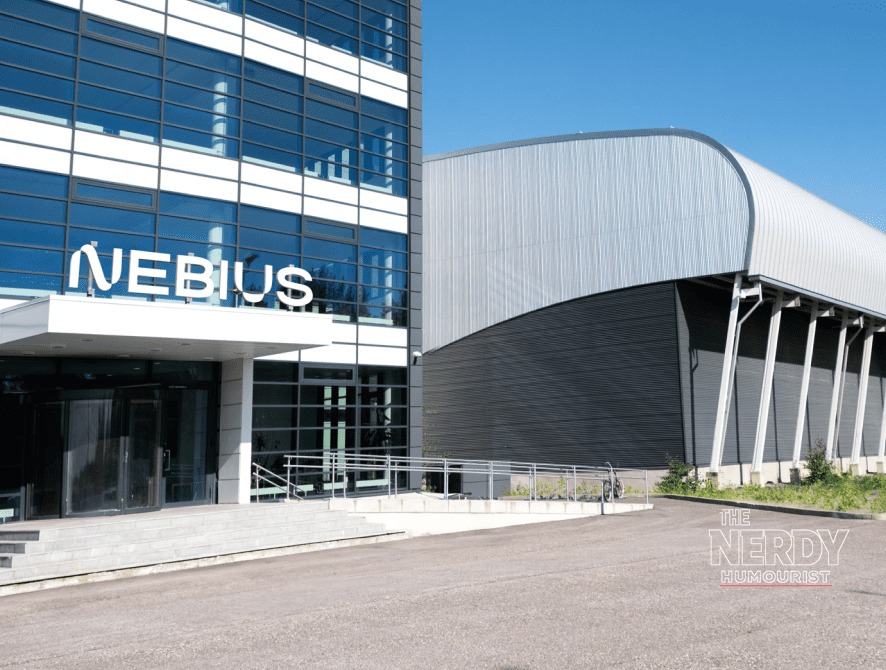
The AI infrastructure stocks plunge deepened on Wednesday, October 14, 2026, as hotter-than-expected US inflation data revived fears that the Federal Reserve could raise interest rates again later this month. The selloff hit hardest at the companies bankrolling the AI data-center boom with borrowed money, as investors questioned whether the debt-financed AI buildout will ever generate the returns needed to justify it.
Shares of the so-called neocloud firms led the slide. Nebius (NBIS) tumbled roughly 10% to 15%, while CoreWeave (CRWV) fell 9.5% to 16%, according to Reuters and The Straits Times. Data-center operators Applied Digital (APLD) and IREN dropped 8.8% and 9.9%, respectively. Debt-heavy hyperscaler Oracle (ORCL) slid 7.2% to 8.8%, with most of its dollar bonds also declining. AI server makers Dell (DELL) and HPE (HPE) fell 10.3% to 11.4% and 6.4% to 8.2% after Barclays downgraded the stocks to “equal-weight.”
The broader market felt it too. The Nasdaq fell about 1.9% to 2%, its biggest one-day drop since July 23, while the S&P 500 declined 1.1%. The Philadelphia semiconductor index sank 4.3% for a sixth consecutive session, its longest losing streak since May 2025. Reuters reported that the combined declines erased roughly $80 billion of market value, per ET figures.
The AI infrastructure stocks plunge: hot CPI meets debt-heavy AI balance sheets
The trigger was September’s US consumer price data. The Labor Department’s Bureau of Labor Statistics showed consumer prices accelerating as gasoline costs surged and price pressures broadened beyond energy, The Straits Times reported. Traders responded by pricing in a roughly 31% to 37% chance that the Fed will raise rates by 25 basis points at its October 28 meeting, up from about 22% the day before, according to CME’s FedWatch tool.
Higher rates are a particular problem for the AI infrastructure trade. As Reuters noted, elevated borrowing costs directly squeeze companies that are issuing debt to build data centers and buy AI chips. The 10-year Treasury yield climbed 3.6 basis points and the two-year yield jumped 7.2 basis points on Wednesday, pushing up the cost of the very financing the buildout depends on.
Credit markets sent their own warning. The cost of insuring the debt of AI companies including Oracle and CoreWeave against default surged to record highs, according to S&P Global Market Intelligence data cited by Reuters — a sign that bond investors are growing nervous about the leverage behind the AI boom.
Nebius, CoreWeave and the neocloud model under higher rates
Neoclouds — cloud operators purpose-built for AI workloads — have been among the biggest winners of the 2026 AI rally, and on Wednesday they were among the biggest losers. CoreWeave is now set to wipe out about a quarter of its value this month, while Nebius is set to erase nearly 20% of its market value, Reuters reported.
The neocloud business model helps explain the vulnerability. These companies raise enormous sums of debt — often secured against their own GPU fleets — to buy Nvidia chips and build data centers at speed. When rates rise, the carrying cost of that debt climbs, and the margin for error in the AI buildout shrinks. “Investors are questioning whether the AI buildout will generate the returns that were expected,” said Kim Forrest, chief investment officer at Bokeh Capital Partners, according to Reuters.
The selloff stands in sharp contrast to recent upbeat signals elsewhere in the AI supply chain. Last week, Penguin Solutions posted a beat-and-raise quarter powered by accelerating neocloud customer demand — a reminder that the AI infrastructure story is splitting between companies with cash-generating momentum and those carrying the debt to build it.
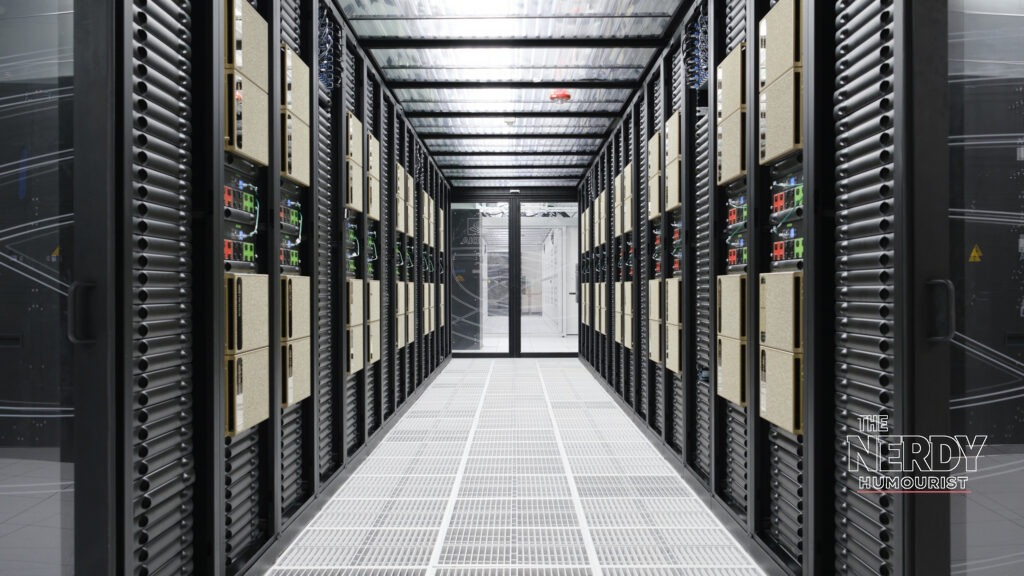
Oracle, Dell and HPE: the AI server makers in the crosshairs
Oracle’s fall drew particular attention because it reflects both equity and credit-market anxiety. Shares dropped between 7.2% and 8.8%, while most of the company’s dollar-denominated bonds also declined, Reuters reported. The company’s aggressive AI capital spending — financed in part with debt — has made it one of the market’s purest plays on the leverage behind the AI boom.
Dell and HPE faced a double blow: the rate shock plus a fresh analyst downgrade. Barclays cut both AI server makers to “equal-weight” from “overweight,” arguing that “valuations have run, commodity costs have helped revenues, and we don’t see a meaningful AI inflection yet.” Dell sank as much as 11.4% and HPE as much as 8.2%.
Information technology was the worst-performing of the 11 S&P 500 sectors, down 2.6%, followed by communication services at 1.78%. Trading volume was heavy, with 18.0 billion shares changing hands versus a 20-day average of 17.6 billion.
How far the AI infrastructure stocks plunge has gone
The October damage compounds a rough stretch for AI trades. Wednesday marked the sixth straight session of declines for the semiconductor index — its longest losing streak since May 2025. CoreWeave’s roughly one-quarter monthly decline and Nebius’s nearly 20% slide show how fast the market is repricing the neocloud model under a higher-for-longer rate outlook.
Some context: after hitting a record high last week, the S&P 500 remains up almost 13% in 2026, with most of that gain fueled by AI-related stocks. But the rally is thinning — the median S&P 500 stock has gained just 4% this year, and more than 200 of the index’s components are in negative territory, according to The Straits Times. On Wednesday, the Nasdaq recorded 521 new lows against just 27 new highs.
What happens next: the October 28 Fed meeting and watch points
The immediate focus is the Fed’s October 28 meeting. Before the inflation data was released, Fed Vice-Chair for Supervision Michelle Bowman said the central bank had time to wait and see how markets and the economy evolve after its September rate rise before deciding on further action — comments that now read as a placeholder pending the CPI surprise.
Investors will also watch credit markets. If the cost of insuring Oracle and CoreWeave debt keeps climbing, bond financing for new data centers gets more expensive, which could slow the buildout pipeline itself — the exact feedback loop that spooked markets on Wednesday.
Not everything sold off. Apple rose 0.5%, with its market capitalization closing above $5 trillion for the first time, a sign that the market is rotating toward cash-rich mega-caps and away from leveraged AI plays. The open question for the rest of the AI trade is whether the buildout’s returns arrive before the debt bills come due.
FAQ
Why did AI infrastructure stocks plunge on October 14?
Hotter-than-expected September US inflation data revived fears of another Federal Reserve rate hike as soon as the October 28 meeting. Higher rates raise borrowing costs for the debt-heavy companies building AI data centers and buying AI chips, so neocloud firms, Oracle, and AI server makers sold off sharply.
How much have CoreWeave and Nebius fallen this month?
CoreWeave is set to wipe out about a quarter of its value in October, while Nebius is set to erase nearly 20%, according to Reuters. On October 14 alone, Nebius fell roughly 10% to 15% and CoreWeave dropped 9.5% to 16%.
Why are higher interest rates bad for AI data-center stocks?
Many AI infrastructure companies finance their growth with debt — building data centers and buying Nvidia GPUs on borrowed money. Higher rates make that borrowing more expensive, squeezing returns. The cost of insuring Oracle and CoreWeave debt against default hit record highs on October 14, per S&P Global Market Intelligence data.
Could the Fed raise rates again in October?
Interest-rate traders are pricing in a roughly 31% to 37% chance of a 25-basis-point hike at the Fed’s October 28 meeting, up from about 22% before the CPI data, according to CME’s FedWatch tool. Fed officials have said they want more time to assess markets and the economy after September’s rate rise, so a hike is not yet the base case.


Leave a Reply
You must be logged in to post a comment.