
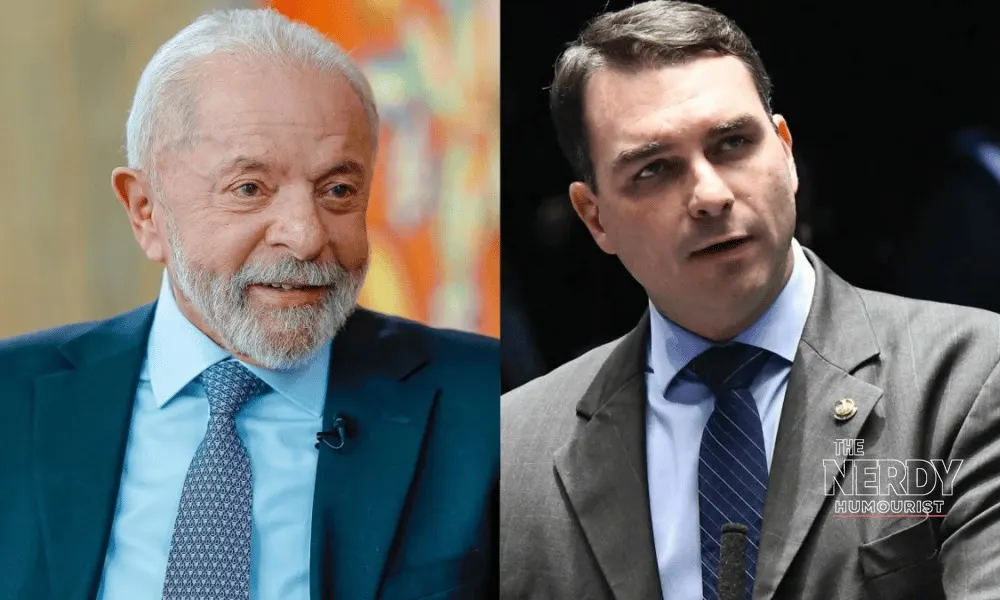
Brazilians return to the polls on Sunday, October 25, 2026, for a presidential runoff that will decide who leads Latin America’s largest country for the next four years. The Brazil runoff election pits incumbent President Luiz Inácio Lula da Silva against right-wing Senator Flávio Bolsonaro, the eldest son of former President Jair Bolsonaro, in one of the closest presidential contests in the country’s recent history.
Voting is scheduled from 8 a.m. to 5 p.m. Brasília time in most locations, according to the Superior Electoral Court (TSE) election calendar, with some areas following different time zones. Neither candidate won an outright majority in the first round on October 4, which sent the top two finishers to Sunday’s second round under Brazil’s electoral rules. The winner needs more than half of the valid votes, which exclude blank and spoiled ballots.
A Dead Heat in the Final Polls
The final opinion polls published on Saturday showed a race that is effectively tied, with Flávio Bolsonaro holding a narrow lead that falls within the margin of error in every major survey. According to Reuters, a CNT/MDA poll surveyed 2,032 people from October 21 to 23 and put Bolsonaro at 46.3 percent against 45 percent for Lula, with a margin of error of 2.2 percentage points. Last week, the same pollster had Bolsonaro ahead 46.8 percent to 45.9 percent.
Other final surveys told a similar story. Datafolha, surveying 4,050 people from October 23 to 24, put Bolsonaro at 48 percent and Lula at 47 percent, with a 2-point margin of error. Quaest, surveying 3,702 people over the same two days, had Bolsonaro at 46 percent and Lula at 45 percent. AtlasIntel/Bloomberg, surveying 4,990 people from October 18 to 23, put Bolsonaro at 49.9 percent against 48.4 percent for Lula, with a 1-point margin of error. BTG/Nexus had Bolsonaro at 47 percent and Lula at 46 percent. Two polls published Saturday, Datafolha and Quaest, each showed Bolsonaro ahead by two points in voting intentions when reported as shares of valid votes, according to Agence France-Presse, but Datafolha’s previous poll on Thursday had shown the pair tied at 50 percent each.
The closeness is no surprise after the first round, in which Bolsonaro won 47.03 percent of valid votes to Lula’s 45.16 percent, according to Poder360’s tally of the official count — a gap of just over 2.2 million votes. Bolsonaro defied pre-election polling by finishing first, but neither candidate cleared the majority threshold, and the roughly 9 million votes cast for other candidates in the first round have been up for grabs ever since.
Two Very Different Visions for Brazil
The runoff is a choice between competing visions of Brazil’s economic management, social policy, public security, and international alignment, according to Al Jazeera’s preview of the vote.
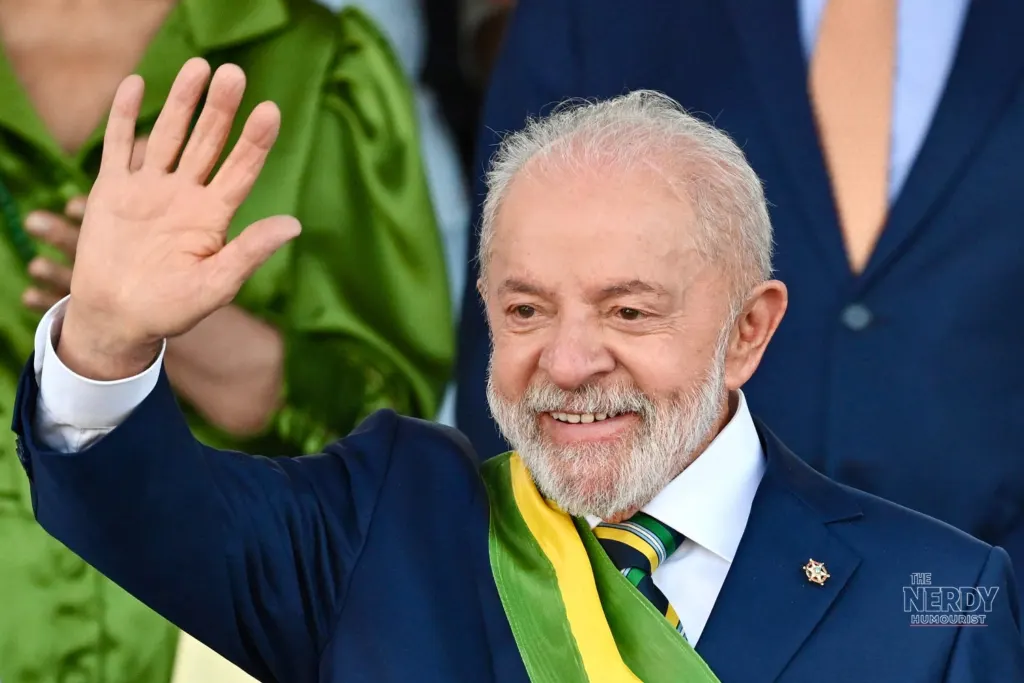
Lula, 80, is seeking a fourth non-consecutive term. He previously led Brazil from 2003 to 2010 and returned to the presidency in 2023. His campaign has highlighted social welfare programs, economic policy, and reducing poverty. Lula got his start as a union metalworker, losing a finger in a factory accident at 19, and inspired devoted support during his first two terms as Brazil’s economy expanded on a commodities boom and cash assistance lifted millions out of poverty, according to the Associated Press. He later spent more than a year in prison on corruption convictions that were eventually annulled before winning a third term in 2022.
In the runoff stretch, Lula has promised to share the benefits from extracting Brazil’s rare minerals, increased payments through his flagship Bolsa Familia program by 15 percent, cut fuel taxes, pardoned the government debts of 3.6 million small businesses, moved to block cellphone signals around prisons, and proposed boosting welfare payments to university students, according to the AP. With just days to go before the vote, Brazil’s Senate approved rules backed by his administration to reduce the maximum workweek from 44 to 40 hours while enshrining two rest days without a salary cut.
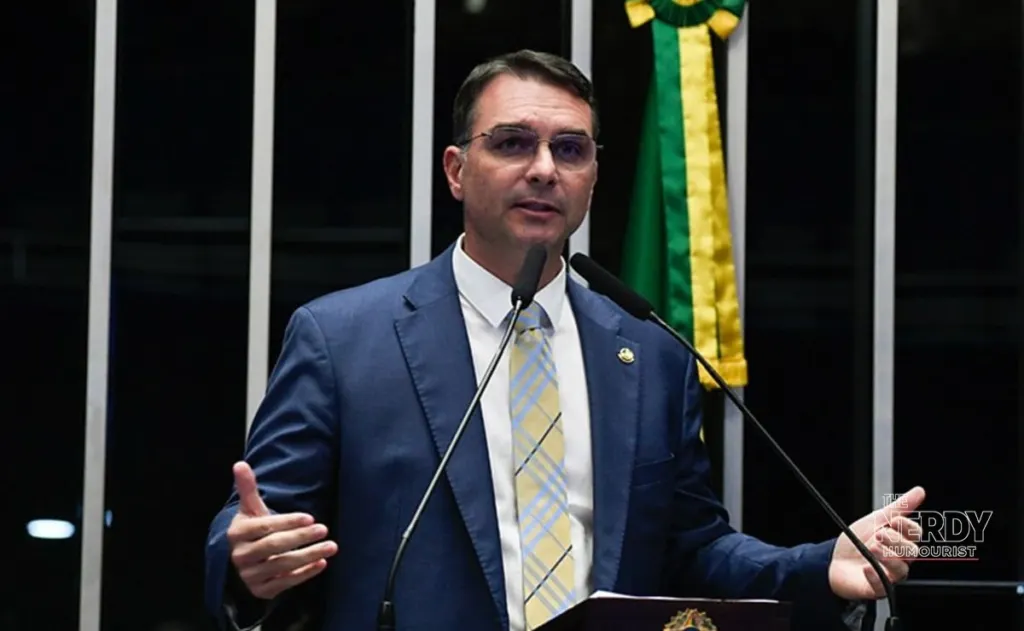
Flávio Bolsonaro, 45, is a Liberal Party senator and a prominent figure in Brazil’s right-wing movement. His campaign has emphasized public security, economic changes, and a conservative political agenda. He has allied himself with the Trump administration at a moment when Trump allies are taking power across Latin America, according to the AP, and has pledged to pardon his father if he becomes president. The elder Bolsonaro, who governed from 2019 to 2022, is serving a sentence of more than 27 years at home in Brasília after being convicted over his role in an attempted coup that saw thousands of his supporters storm government buildings on January 8, 2023. Flávio Bolsonaro has described himself as more moderate than his father, telling interviewers he is “more centred” and “more measured.”
A Calmer Final Debate — and a Fiery First One
The candidates met in two televised debates during the runoff campaign, and the contrast between them was striking. Their first debate was loaded with insults and practically empty of concrete policy proposals, according to the New Indian Express. The final debate, held on Friday evening, October 23, in São Paulo, struck a calmer tone, though neither held back cutting remarks.
Lula attacked the 45-year-old senator’s lack of experience, while Bolsonaro accused the president of leaving behind a “broken country.” “He doesn’t know what hunger is,” Brazil’s first working-class president said of Bolsonaro, who asked the incumbent: “Why are things so expensive?” Lula repeatedly told viewers to “Google” Bolsonaro’s claims, to which the senator shot back: “Who governs Brazil, you or Google?” Datafolha’s survey, conducted Thursday to Friday, did not specify whether interviews took place after the Friday debate, according to AFP, leaving open whether the calmer debate moved any late voters.
On Sunday, Lula will vote in São Bernardo do Campo, where he began his political career, before following the results in São Paulo, according to Latin America Reports. Bolsonaro will vote in Rio de Janeiro and travel to Brasília to monitor the count, as he did in the first round. Lula plans to hold his traditional final march along Avenida Paulista in São Paulo, while Flávio campaigned in Belo Horizonte before closing his campaign in Rio.
Why the World Is Watching
The vote on Sunday will decide whether Brazil joins a growing list of countries across Latin America that have handed victories to far-right candidates promising closer ties with the United States, a hard hand on crime, and market-friendly economic policies, according to Al Jazeera. Brazil under Lula has emerged as a key holdout against that shift, and a Bolsonaro victory would galvanize conservatives in the region seeking to extend their winning streak to the continent’s largest country.
The result could also influence Brazil’s relationships with the United States and China. Lula has spoken out against US interference in the Brazilian elections and built a stronger relationship with Beijing, according to the AP, while Bolsonaro has positioned himself as an ally of the Trump administration. The winner will also inherit the challenge of governing a deeply divided country: the first-round result showed a near-even split, and the runoff polls suggest the divide has barely moved in three weeks.
One historical note hangs over the race: the winner of Brazil’s first round has never lost a runoff, according to the AP — though never before has the second-place candidate been so close. With final polls showing a statistical tie, that streak faces its stiffest test yet. Results are expected on Sunday night Brasília time, once the TSE begins releasing partial counts after polls close.
For context on how this runoff came about, see our earlier coverage of the first-round results that sent Flávio Bolsonaro to the October 25 runoff.
Frequently Asked Questions
Who is running in Brazil’s presidential runoff?
Incumbent President Luiz Inácio Lula da Silva of the Workers’ Party faces Senator Flávio Bolsonaro of the Liberal Party, the eldest son of former President Jair Bolsonaro. The runoff is on Sunday, October 25, 2026.
Why is there a runoff election in Brazil?
Neither candidate won more than half of the valid votes in the first round on October 4, 2026. Bolsonaro led with 47.03 percent against Lula’s 45.16 percent, so under Brazil’s rules the top two finishers advanced to a second round.
What do the final polls say about the Brazil runoff?
Final polls published October 24 showed Bolsonaro narrowly ahead but within the margin of error in every major survey. Reuters reported CNT/MDA at 46.3 percent to 45 percent, while Datafolha and Quaest each showed a two-point Bolsonaro lead. The race is effectively tied.
When will Brazil’s runoff results be known?
Polls close at 5 p.m. Brasília time on Sunday, October 25, and the Superior Electoral Court releases partial counts through the evening. A winner is typically clear on election night, though a very close margin could delay certainty.


Leave a Reply
You must be logged in to post a comment.