
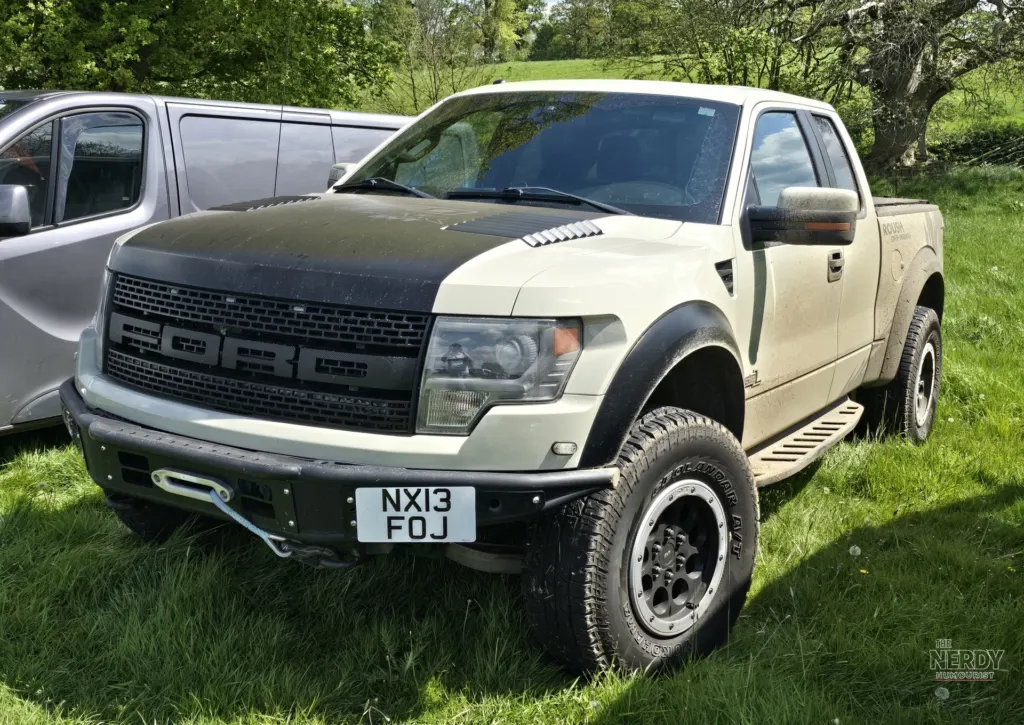
Ford has held talks with the Pentagon about supplying military vehicles and other defense products to the US military. The company said so itself on Tuesday, a day after it announced a move into the space business. And the Ford Pentagon military vehicles discussions are only half the story — the Defense Department is also courting Detroit’s biggest automakers for a much larger job: mass-producing military drones.
Two separate threads landed on the same day. One is confirmed by Ford. The other is reported, and still unconfirmed. They point in the same direction, though. Washington wants the car industry’s factories, and Detroit wants a piece of defense spending.
Ford Pentagon military vehicles: what Ford actually confirmed
Ford confirmed to Reuters on Tuesday that it has held talks with the Pentagon about supplying military vehicles and other defense products. A Ford spokesperson said the discussions covered “highly capable military vehicles” and working with Revolution Space, a US space systems contractor, to build advanced satellites.
The company has not named any vehicle, any number, or any timeline. No contract has been signed. The talks are real — Ford confirmed them — but everything past that is still open.
On the satellite side, things are more concrete. Ford announced a minority investment in Revolution Space on Monday, through its Industrial Platform LLC subsidiary. The companies didn’t disclose financial terms, and the deal still needs regulatory approval before it closes. Revolution Space is a prime contractor for advanced space systems, and it was picked as one of three companies for DARPA’s LASSO program in October 2025.
“Becoming a partner to Revolution Space and working to industrialize and scale their advanced technology for space is an exciting opportunity for us to diversify our business in an attractive, high-growth market,” said Marin Gjaja, Ford’s chief strategy officer.
Ford’s pitch is simple. Satellites are shifting away from hand-built, one-off production and toward repeatable, higher-volume manufacturing. That’s what Ford does. The company plans to lend Revolution Space its design, engineering, manufacturing and supply-chain muscle to build spacecraft at scale, for missions running low Earth orbit out to cislunar space and beyond.
The drone talks behind the headlines
The bigger story broke the same morning. The Wall Street Journal reported on Tuesday that the Pentagon is in talks with General Motors, Ford and other manufacturers to help mass-produce drones. Under a deal, the car companies would supply parts — actuators, engines, sensors, lidar and motors — to drone companies, who would still build the aircraft themselves.
GM is weighing whether to manufacture drone motors, the report said. The motors in question are small, closer in size to something that would power a riding lawn mower than a car engine. Defense officials have also met with leaders at Ford, Canadian parts giant Magna International and other manufacturing firms, some outside the auto industry entirely.
Three caveats matter here. First, no deals have been finalized. People involved in the talks described them as preliminary. Second, Reuters could not immediately verify the report. Third, the automakers’ role would be parts supply, not building drones — a distinction the headlines have mostly blurred.
Why does the Pentagon want car companies at all? Scale. The department says it plans to buy millions of drones in the coming years. American drone makers are mostly small firms, and they don’t have the factories or the manufacturing experience to deliver that many aircraft. The Pentagon sees the market for military drones reaching $20 billion to $30 billion a year.
To fix that, the department is running the drone effort through a four-star combatant command created this fall by Defense Secretary Pete Hegseth. The command aims to pool drone buying across the military branches into one order book. “We had to unify our buying power to put out a demand signal that our partners could get behind,” said Navy SEAL Senior Chief Petty Officer Max Strasiser, who was appointed to help set up the drone initiative.
A Pentagon official told Reuters the department is “actively partnering with domestic manufacturers, suppliers, and emerging tech firms to build a resilient, high-capacity industrial base that accelerates the production, deployment, and long-term sustainment of next-generation unmanned and autonomous systems.”
GM is further along than Ford
Of the two Detroit giants, GM has moved faster on defense work. The company signed an agreement earlier this year to manufacture housing components for Lockheed Martin’s Patriot air-defense missiles. It is also in talks with RTX and L3Harris Technologies on similar deals, according to the Journal.
GM has been the most interested of the automakers in getting involved with military projects, people familiar with the matter told the Journal, and much of that interest came at the request of high-ranking defense officials.
Washington has also considered tapping automakers to help manufacture its Lucas drone, modeled on Iran’s Shahed, as part of an approach where the Pentagon owns the design and farms out production to companies. That idea is still at the consideration stage, and nothing has been decided.
The administration has gotten mixed reactions from auto executives so far, the Journal reported. That’s hardly surprising. Defense work pays, but it comes with long sales cycles, heavy compliance and political exposure. Car companies are used to selling to consumers, not generals.
Ford and the military go back 85 years
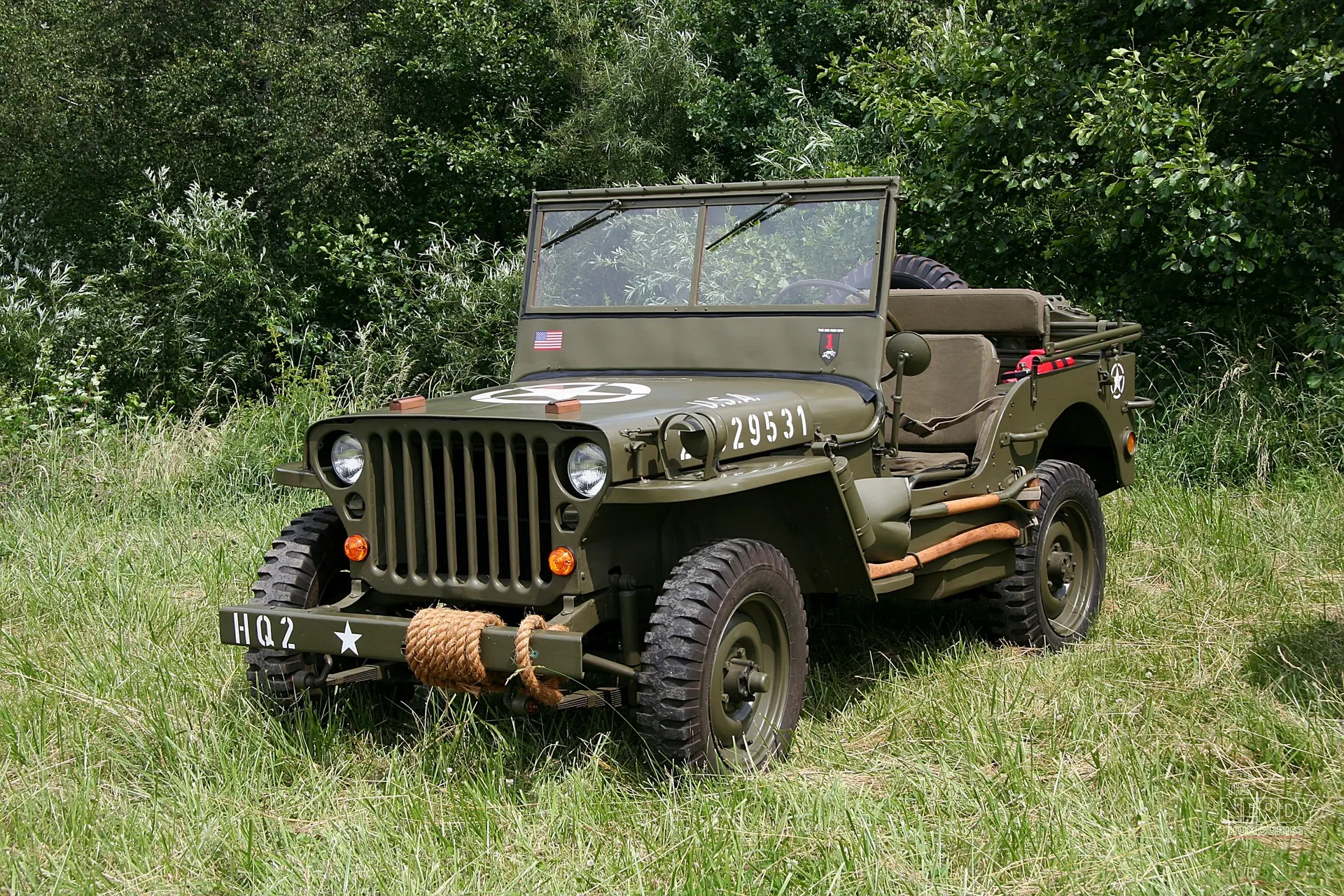
This isn’t new ground for Ford. The company’s military history runs back to World War II, when it built around 280,000 GPW jeeps — nearly 44 percent of the war’s jeeps, including about 13,000 amphibious versions. Ford also built M4 Sherman tanks and B-24 Liberator bombers at its Willow Run plant. The stamped steel grille that became the Jeep’s signature look was a Ford design.
The Journal noted that Ford in particular has steered clear of weapons manufacturing, sticking to supplying the Pentagon with vehicles and equipment more closely aligned with its existing commercial lineup. That line tells you where Ford sees its lane: trucks, parts and manufacturing know-how, not missiles.
It’s a lane the company already occupies in quieter ways. F-Series trucks show up in military logistical and support roles today, and Ford has supplied trucks, ambulances and specialized transport to the armed forces for decades. The difference now is that the Pentagon is coming to Detroit with a shopping list, not the other way around.
The auto business itself gives Ford reason to listen. Competition in the car market is brutal, margins are thin, and recalls keep biting — Toyota and Honda recalled about 1.6 million vehicles over Takata airbag inflators just this month. Defense contracts are steadier money, even if they take years to land.
Ford Pentagon military vehicles: what happens next
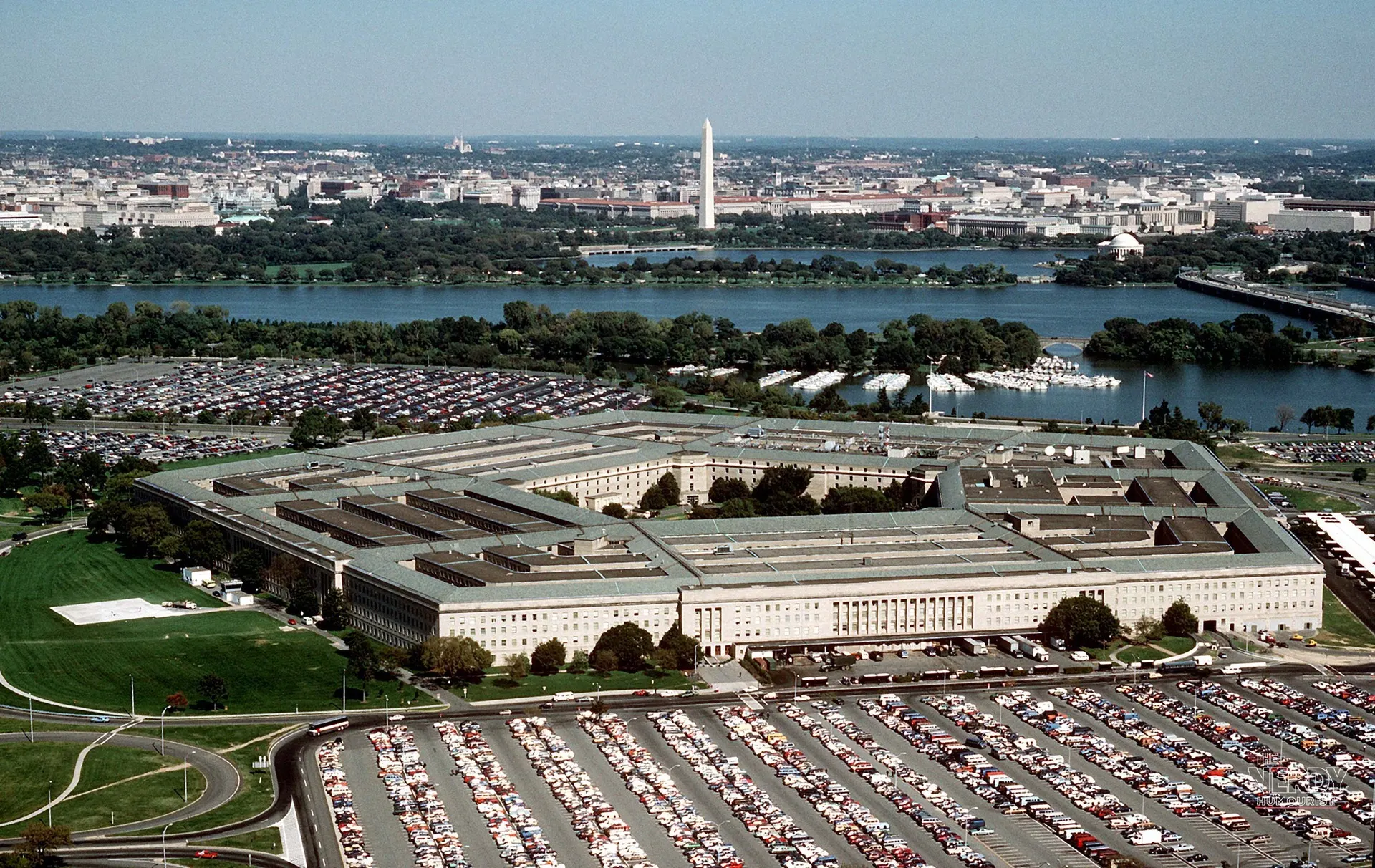
Nothing is signed, and that’s the honest summary. The drone talks are preliminary. The vehicle talks are confirmed but thin on detail. The Revolution Space investment is real but small — a minority stake with undisclosed terms.
What to watch: whether the Pentagon’s talks with GM produce a first parts order, and whether Ford’s vehicle discussions turn into a named program with a contract attached. If Detroit’s assembly lines start turning out drone motors and military trucks at volume, it would be the biggest shift in American defense manufacturing since the war years. If the talks stall, it’ll be another Washington idea that never left the meeting room.
Either way, Ford has now said it out loud. It’s talking to the Pentagon about military vehicles. Eighty-five years after the GPW, the Blue Oval is back at the defense table.
FAQ
Is Ford supplying military vehicles to the Pentagon?
Not yet. Ford confirmed it has held talks with the Pentagon about supplying military vehicles and other defense products, but no contract, vehicle model or timeline has been announced.
What are the Pentagon’s drone talks with GM and Ford about?
The Wall Street Journal reported the Pentagon wants automakers to supply parts — motors, actuators, engines, sensors and lidar — to drone companies, so military drones can be mass-produced. Reuters could not immediately verify the report, and no deals have been finalized.
What is Ford’s Revolution Space investment?
Ford announced a minority investment on Monday, November 23, in Revolution Space, a US space systems prime contractor, through its Industrial Platform LLC subsidiary. Ford will help scale production of Revolution Space’s next-generation spacecraft. Financial terms were not disclosed.
Has Ford built military vehicles before?
Yes. Ford built about 280,000 GPW jeeps in World War II, along with M4 Sherman tanks and B-24 Liberator bombers at Willow Run. F-Series trucks are still used in military support roles today.


Leave a Reply
You must be logged in to post a comment.