
Google Cloud has introduced the Gemini agent, pitching it as “a single, universal agent for work” — software that takes on office jobs from a stated objective rather than from step-by-step prompts. The announcement came on October 8 at the company’s Gemini at Work 2026 event, in a keynote from Google Cloud CEO Thomas Kurian that the company also published as a blog post. It is Google’s most ambitious move yet in the race to sell artificial intelligence that works autonomously inside enterprises.
“You give it objectives, not just instructions,” Kurian said on stage, according to coverage of the event. Instead of opening a chatbot and pasting in a document, users hand the agent a goal — research a market, build a financial model, draft a presentation — and it plans the work itself, pulls context from business systems, uses reusable “skills” and tools, and returns finished work inside Gmail, Docs, Sheets, Slack, or a developer environment, Neowin reported.

Photo: Eric Dietrich / Wikimedia Commons (public domain)
What the Gemini agent actually does
Unlike a chatbot that answers one prompt at a time, the Gemini agent starts from an objective and orchestrates everything after that. It runs persistently in the cloud, so jobs that take hours or even days continue after you close your laptop. It works across the web, iOS, Android, Windows, Mac, and the command line, and it plugs into Google Workspace apps — Gmail, Drive, Docs, Slides, Sheets, Chat, and Calendar — as well as Microsoft 365, Slack, and third-party apps as a headless agent, MarkTechPost reported.
Google describes six architectural principles behind the design: a single interface for chat, autonomous objectives, and code generation; access from any device or channel; persistent cloud execution with one memory graph; multi-agent orchestration; context that deepens as the agent learns a company’s tools and history; and the freedom to run each job on whichever model fits best.
Coworker agents with their own email addresses
One of the more unusual features is what Google calls “coworker agents.” An enterprise can give one of these agents its own Workspace account — an email address in the form of @agents.company.com, a calendar, Drive storage, and a seat in the company directory — so teams can delegate work to it much as they would to a human colleague, according to AppStack Insider’s analysis of the launch. Each agent acts under its own scoped cryptographic identity and sees only the data that has been shared with it.
The agent can also create temporary sub-agents, each with its own identity, to split long or complex jobs into parallel or sequential steps — the kind of orchestration needed when a task stretches over hours or days.
Memory, tools, and skills
Google says the agent keeps four kinds of memory: session memory for the task at hand (even across days), semantic memory as a structured knowledge base built from documents and people, procedural memory for how jobs get done (including skills it writes for itself), and episodic memory recording everything it has done before. Skills are stored as modular prompts in a shared company registry, while tools come from an enterprise registry that includes Salesforce, ServiceNow, Jira, Snowflake, BigQuery, and any Model Context Protocol server, MarkTechPost reported.
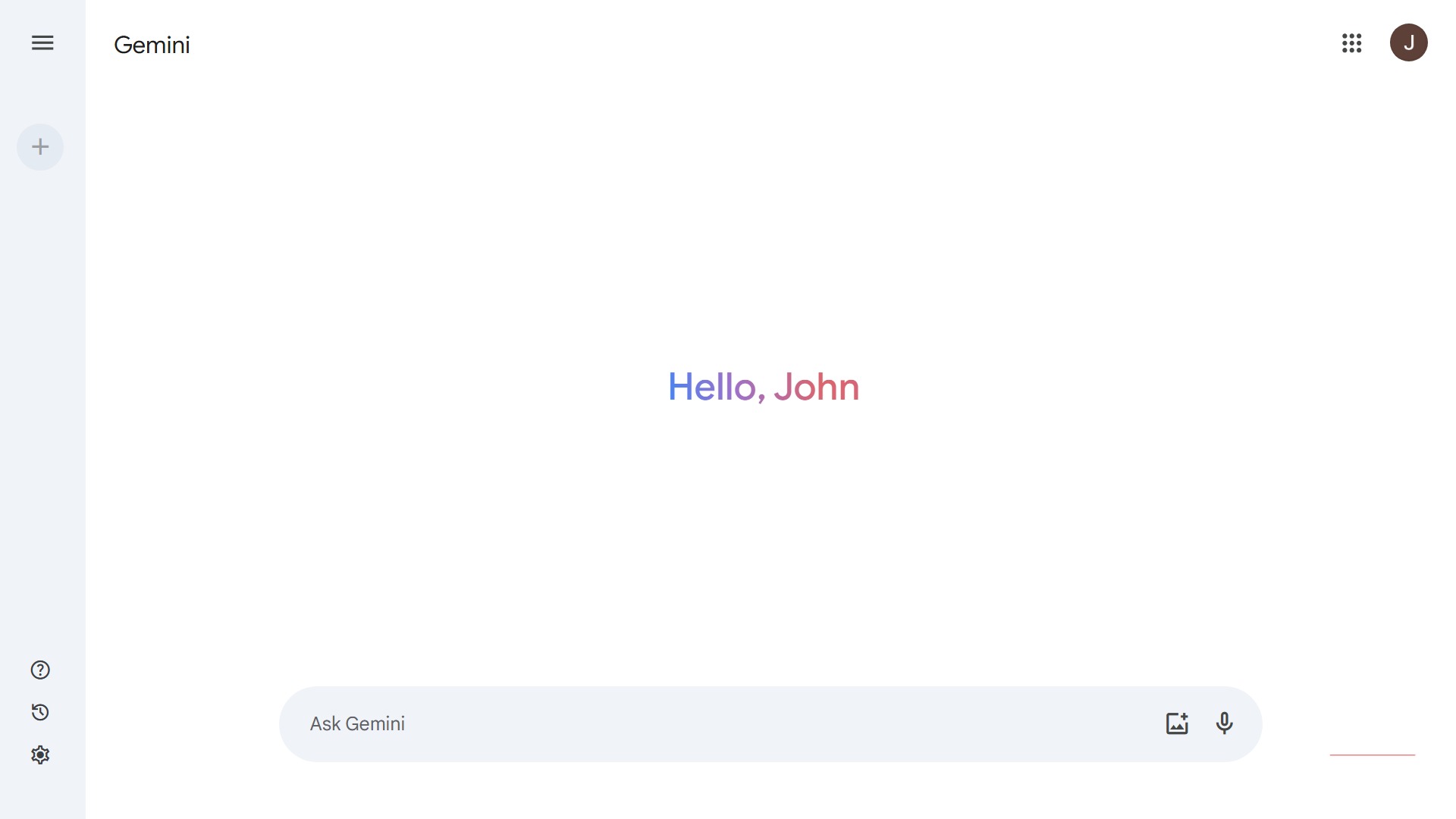
Photo: Gemini / Wikimedia Commons (public domain). File photo — shows the consumer Gemini interface; the new enterprise Gemini agent is a separate offering.
Model routing: the Gemini agent can run on Claude, too
Notably, the agent is not locked to Google’s own models. Google says it routes each job to the best-fit model, choosing across the Gemini family and — unusually for a Google product — Anthropic’s Claude models today, with additional private and open models to be added later. A Smart Routing system picks the model per job, and administrators get real-time spend controls in the Cloud Billing Console that can pause an agent when a per-project cap is hit, AppStack Insider reported.
On the data side, Google introduced a “borderless Lakehouse” that lets the agent query data sitting in Amazon S3 and Azure Data Lake without variable egress fees, and read directly from Salesforce Data 360, SAP, ServiceNow, and Workday without copying data first, Neowin reported. Google is also building industry-specific versions of the agent for financial services, legal, government, healthcare, and retail — the first two are in preview, with the rest on the way.
Early customers and the numbers behind the launch
Google paired the launch with statistics meant to show enterprise momentum. According to Kurian’s post, nearly 500 Google Cloud customers each processed more than one trillion tokens over the preceding year, nearly 80% of all Google Cloud customers are using its AI products, and nearly 90% of the Fortune 100 use Gemini Enterprise, Unite.AI reported.
Early testers named by Google include sportswear brand On, which tested the agent’s dynamic model-selection capability; Shopify, which blends frontier models for millions of merchants; and PayPal, which Google says routes 10 million multi-model requests every week. Brazilian bank Bradesco reportedly cut document review time from one hour to five minutes, and telecom operator Orange Spain has deployed more than 1,000 custom Gemini Enterprise agents.

Photo: Asoundd / Wikimedia Commons (CC BY-SA 4.0). File photo — Google’s headquarters in Mountain View, California.
What Google didn’t say: price and general availability
For all the architectural detail, two practical questions went unanswered: what the agent will cost, and when it will be generally available. The agent is in private preview and is expected to be widely available “soon” to Workspace customers on select Business and Enterprise plans, according to 9to5Google as cited by AppStack Insider — but Google itself has not announced a general-availability date or pricing.
The launch comes as the enterprise AI agent race intensifies, with rivals shipping their own autonomous agents and assistants in recent weeks. Google’s bet is that enterprise trust — governance, multi-model flexibility, and deep integration into the apps companies already use — wins where consumer-style assistants don’t.
Related reading: our earlier coverage of Google’s Gemini 4 “Argon” AI model launch explains the model family the new Gemini agent can run on.
Gemini agent: frequently asked questions
What is Google’s Gemini agent?
The Gemini agent is a cloud-based, universal AI agent for work announced by Google Cloud on October 8, 2026, at Gemini at Work 2026. It takes objectives rather than step-by-step instructions, plans the work, uses tools and skills, and returns finished output inside apps like Gmail, Docs, Sheets, Slack, and developer environments.
How is the Gemini agent different from the Gemini chatbot?
The regular Gemini chatbot answers individual prompts. The Gemini agent works autonomously toward objectives, runs persistently in the cloud, keeps memory across sessions and devices, can spin up temporary sub-agents for long jobs, and can be given its own Workspace identity with an email address and calendar.
Which AI models does the Gemini agent use?
Google says it routes jobs across the Gemini family of models and Anthropic’s Claude models today, with other leading private and open models to be added later. A Smart Routing system selects the best model for each job, and administrators can cap AI spend per project.
When will the Gemini agent be available, and what will it cost?
Google has not announced pricing or a general-availability date. The agent is in private preview and is expected to reach select Workspace Business and Enterprise plans “soon,” according to reporting on the launch.

Leave a Reply
You must be logged in to post a comment.