
Two of the biggest names in AI are trying to give shopping bots a proper ID card. On October 6, AI startup Sierra and Meta jointly announced the Personal Agent Protocol AI agents initiative — an open standard defining how personal AI agents authenticate with businesses and get permission to act on customers’ behalf. Walmart, Stripe, Shopify, Genesys, Instinct and Rocket signed on as founding partners, with a first draft specification due later this month, according to Unite.AI.
The timing is no accident. Personal agents like Meta’s Muse, which ranked No. 1 on Apple’s US App Store in September, currently work the hard way: opening websites and clicking through forms just like a human. That makes them slow, fragile, and — from a business’s point of view — indistinguishable from scrapers. The Personal Agent Protocol is an attempt to replace that chaos with a handshake both sides can trust.
How the Personal Agent Protocol Works
At its core, the protocol answers a question businesses keep asking: is this a real customer, or just a bot? Built on the established OAuth authorization framework, it gives businesses visibility into which agent is acting, who it represents, and what it is authorized to do — while letting customers decide the permissions their agent gets: guest-level access for browsing stock or a returns policy, read-only access for account questions, or write access for purchases and bookings.
Sessions carry across channels, so a question asked before sign-in and an order change made afterward belong to the same visit. And businesses can plug agents in three ways: through their regular website, through their APIs using standards such as MCP and OpenAPI, or by routing the agent to one of their own AI agents for conversational tasks like warranty claims.
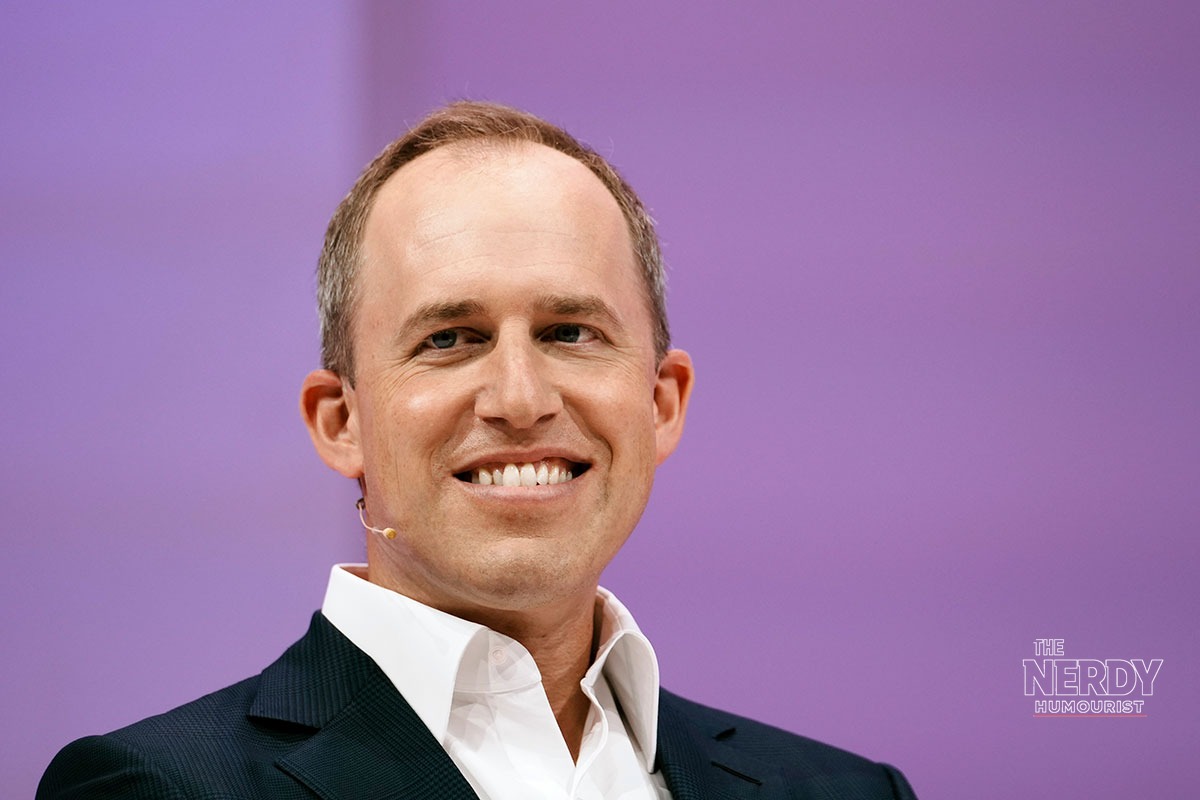
Bret Taylor, Sierra’s co-founder and — notably — chairman of OpenAI’s board, framed the problem bluntly in an interview with CNBC: “Companies will know when it’s a personal agent versus an actual person. For a lot of companies there’s a risk: you don’t want just a random bot that isn’t acting on behalf of a person to have access to this service. It is kind of chaos until such a standard exists,” the Daily Caller reported. Meta’s head of Superintelligence Labs, David Singleton, compared the framework to email standards — a shared language that lets different systems communicate — while emphasizing customer control over sensitive information like credit cards and personal details.
Why Walmart, Stripe and Shopify Joined
The founding coalition spans payments, retail and customer service. Tony Bates, chairman and CEO of Genesys, called personal AI “a new front door to the enterprise,” saying brands need a trusted way to know who an agent represents, what it is authorized to do and what it intends, per Unite.AI.
The partner statements spell out the commercial logic. Shopify’s Mani Fazeli said the protocol helps merchants turn buyer intent into completed purchases, returns and exchanges. Stripe’s Kevin Miller said a customer who sends an agent expects the same service they would get themselves — and the standard gives businesses “a standard way to recognize their customers’ agents, efficiently interact with them, and shape their customer relationships.” Rocket’s Shawn Malhotra noted its agentic technology, built with Sierra, already lets an agent move across the company’s home-buying platform in real time, “from finding a home to securing financing and beyond.”
The Amazon-Shaped Hole in the Room
What the announcement does not include is almost as important as what it does. Amazon, OpenAI and Anthropic are notably absent. That matters because Amazon blocked Meta’s Muse from its platform in September over credential-scraping allegations and has sued Perplexity over alleged concealed agent scraping, according to Forkast. The biggest e-commerce destination on the planet is, for now, building a wall where the protocol proposes a door.
Taylor said he expects OpenAI and Anthropic to participate, arguing that broad participation is central to making the protocol a genuine open standard rather than a Meta-Sierra faction. That is a delicate pitch from someone who chairs OpenAI’s board while leading a Meta-partnered initiative — and the test will be whether the absent players sign on or build their own.
There is also a rival standard already in motion. Visa launched its Trusted Agent Protocol in June, which already lets agents buy from about 175 million merchants — and Stripe and Shopify are in both camps. The protocol wars for agentic commerce have begun, and this announcement is Sierra and Meta planting their flag. The regulatory backdrop is heating up too: federal investigators are probing how AI agents behave in the wild, which gives standards work like this a compliance dimension its backers are happy to claim.
What’s Next for the Personal Agent Protocol
Sierra said it will publish the v0.1 specification later in October, followed by design workshops and a reference implementation for developers. Possible future extensions include payments that let an agent complete a purchase without sharing the customer’s credit card number, push notifications so a company can tell an agent about a delayed flight or shipped order, and more granular permissions for specific actions.
The ambition is clear: a world where your AI agent shops, books and negotiates on your behalf with the same legitimacy as you clicking “buy” yourself. The question is whether the protocol becomes the shared plumbing of agentic commerce — or just one of several competing standards that businesses and agent-builders have to juggle. With Amazon holding out and Visa already shipping, the next few months of partnership announcements will tell.
FAQ
What is the Personal Agent Protocol?
The Personal Agent Protocol is an open standard announced October 6, 2026, by Sierra and Meta that defines how personal AI agents authenticate with businesses, declare what they are authorized to do, and complete tasks on behalf of customers. It is built on the OAuth authorization framework.
Which companies back the Personal Agent Protocol?
Founding partners include Walmart, Stripe, Shopify, Genesys, Instinct and Rocket, with NiCE and Decagon also named on Meta’s list. Amazon, OpenAI and Anthropic are notably absent, though Sierra co-founder Bret Taylor said he expects OpenAI and Anthropic to participate.
How does the protocol protect consumers?
Customers choose what access their agent gets — guest, read-only, or write — and sessions carry across channels. Businesses decide what agents can do through their site, their APIs, or their own agents. Future extensions could enable payments without sharing credit card details.
When will the Personal Agent Protocol be available?
Sierra plans to publish the v0.1 specification later in October 2026, followed by design workshops with interested partners and a reference implementation to help developers build on it.
Sources: Unite.AI, Daily Caller (citing CNBC), Forkast, AI Weekly

Leave a Reply
You must be logged in to post a comment.