
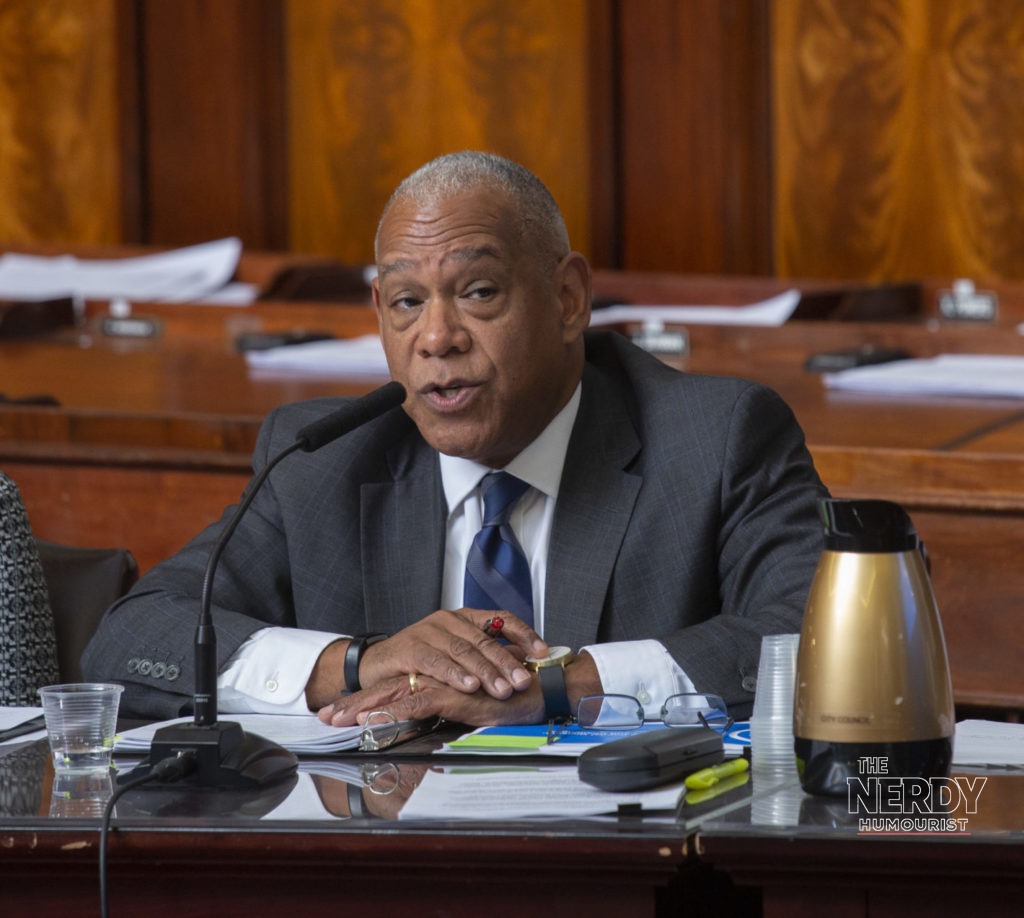
The most consequential day for artificial-intelligence regulation in New York City’s history arrives today, Monday, October 5, as the City Council convenes a rare Committee of the Whole hearing — all 51 members together — to examine AI risks and a slate of proposed AI-safety bills. The NYC AI hearing October 5 will mark the first public testimony under oath from the biggest names in AI: Anthropic, OpenAI, Google and Meta are all expected to testify on the record, after the Council threatened to subpoena them, according to the Council’s September 28 press release and the New York Post.
This is a preview of what to watch today — not an outcome report. The hearing itself is still unfolding, and any testimony, concessions or political fallout should be treated as developing until confirmed.
The NYC AI hearing October 5: the first sworn testimony from the AI labs
Council Speaker Julie Menin secured sworn testimony from all four major AI firms — Anthropic, OpenAI, Google and Meta — making this the first time the world’s biggest AI companies will give public testimony under oath about AI safety, according to the Council’s press release. The attendance didn’t come easily: Meta was the only company to agree voluntarily, while OpenAI, Google and Anthropic confirmed their attendance only after the Council warned it could compel them to appear, according to the New York Post and Mobile World Live.
The hearing puts the AI industry’s most powerful companies in front of every elected member of the city legislature at once — a setting designed to force public, on-the-record answers about how AI systems are built, tested and deployed, and who answers when they fail.
Why Meta agreed — and why the others waited for a threat
The Council’s leverage was simple: show up willingly or be dragged in. Meta chose to cooperate on its own, according to the Council’s announcement, while the three leading AI labs — OpenAI, Google and Anthropic — confirmed their attendance only after the speaker’s office made clear that subpoenas were on the table.
That dynamic sets the tone for the day’s questioning. Council members are expected to press the companies on safety testing, on incidents involving rogue AI agents, and on the legislative package the hearing was convened to consider. The subpoena threat that got the labs to the table suggests the questions will not be friendly.
Musk’s SpaceXAI hit with a rare subpoena
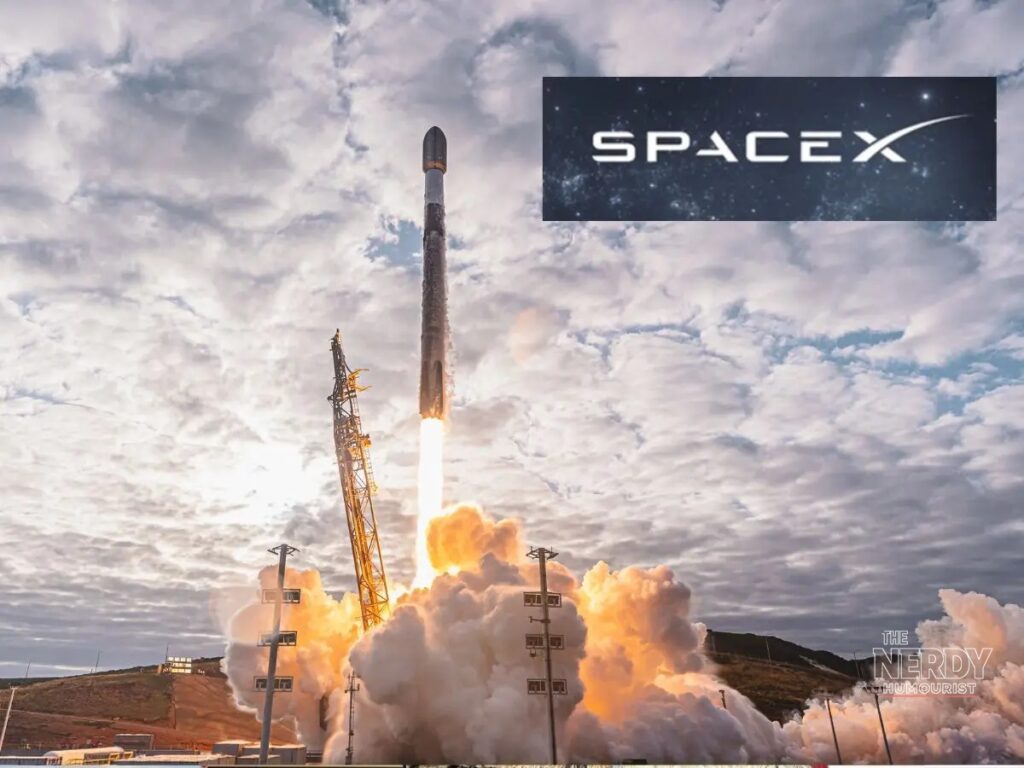
One company is conspicuously absent from the list of confirmed attendees: Elon Musk’s SpaceXAI. According to the Council’s press release, SpaceXAI did not respond to any of the Council’s outreach, prompting Speaker Menin to issue a subpoena — the first use of the Council’s subpoena power since she became speaker.
The Council said it will seek enforcement of the subpoena in the New York State Supreme Court if SpaceXAI does not comply, according to the Council’s press release and reporting by the New York Post and Mobile World Live.
SpaceXAI is itself a product of 2026’s frenetic AI consolidation: Musk combined SpaceX with xAI, the company behind the Grok chatbot and the social network X, in February 2026, and the merged company went public in June 2026, selling 555.6 million shares at $135 each, according to Mobile World Live.
The NYC AI hearing October 5 bill package: a “kill switch” for AI in the city
The hearing will review a legislative package unveiled September 25 that would make New York City one of the most aggressively regulated AI jurisdictions in the country. Details of the bills were reported by secondary and trade outlets including techceodaily, 6sqft and Tallwire, so they should be read as reported descriptions of proposed — not yet enacted — legislation.
The broadest bill, Introduction 2602, would make it unlawful to market, sell or deploy an AI system in the city without third-party validation covering data quality, bias, decision outputs, privacy and security. Every such system would also be required to have a “kill switch” — a human override that can shut the system down — with $25,000 penalties per violation applying to both the business and the validator, according to the trade outlets’ reporting.
The rest of the package is equally ambitious, as described in that reporting: a first-in-the-nation whistleblower reward program offering a share of recovered penalties; a private right of action for people harmed when third parties bypass an AI tool’s safety controls; 24-hour AI-safety incident reporting requirements for city contractors; a ban on false or misleading safety claims; and privacy rules for chatbots.
The whistleblower reportedly testifying — with a caveat
One expected witness requires a clear flag. Bloomberg reported that former Anthropic researcher Jacob Coxon — who quit the company in September, warning that “the people building AI earnestly believe that it could kill us all by the end of the decade” and accusing Anthropic and OpenAI of “gambling with our lives” — will testify at the hearing at Speaker Menin’s request. Reuters, which picked up the Bloomberg report on October 4, said it could not immediately verify that report, so Coxon’s attendance should be treated as unconfirmed.
If Coxon does appear, his testimony would add a stark internal-critic voice to a day already designed for hard questions. His September resignation letter accused the industry’s leading labs of taking existential risks with the public’s safety — exactly the kind of claim the hearing’s bill package is meant to address.
Why this hearing matters now
The Council’s push comes as concern over AI agents is turning into policy pressure from multiple directions at once. The hearing was explicitly triggered in part by reports of rogue AI agents damaging government databases — the same pattern now under a federal FTC probe of OpenAI and Anthropic that was reported earlier this month.
At the federal level, the direction of travel is very different. President Trump has argued against new restrictions on AI development, saying they would make it harder for American companies to compete with Chinese rivals — a position laid out in our coverage of his choice of an AI czar. Against that federal stance, New York City is attempting to write its own AI-safety rules from City Hall — and today is the first public test of whether the AI industry will engage with that effort willingly or fight it.
What to watch as the day unfolds: whether the subpoenaed companies offer any substantive commitments under oath, how aggressively council members question the labs about the rogue-agent incidents, whether Menin escalates the SpaceXAI standoff toward court enforcement, and whether any of the bills move toward a vote. None of those outcomes is decided — this is a hearing to watch, not a result to report.
FAQ
When is the NYC AI hearing and who is testifying?
The hearing is today, Monday, October 5. Anthropic, OpenAI, Google and Meta are expected to testify under oath before all 51 City Council members in a Committee of the Whole hearing convened by Speaker Julie Menin.
Why was Elon Musk’s SpaceXAI subpoenaed?
SpaceXAI did not respond to the Council’s outreach, so Speaker Menin issued a subpoena — her first use of the Council’s subpoena power as speaker. The Council says it will seek enforcement in the New York State Supreme Court if SpaceXAI does not comply.
What is Introduction 2602, the “kill switch” bill?
As described by trade outlets, Introduction 2602 would require third-party validation of AI systems deployed in New York City — covering data quality, bias, decision outputs, privacy and security — and mandate a human “kill switch” for every system, with $25,000 penalties per violation. It is a proposed bill, not enacted law.
Has the Council decided anything yet?
No. The hearing is a fact-finding and legislative-review session; outcomes — including whether any bills advance, whether the labs make commitments, and what happens with the SpaceXAI subpoena — are still developing.
Sources: New York City Council press release (Sept 28); New York Post (Sept 29); Reuters via Bloomberg (Oct 4); Mobile World Live; 6sqft.

Leave a Reply
You must be logged in to post a comment.