
OpenAI Acquires Orchestra Bio to Build AI Agents for Drug Development
OpenAI is pushing deeper into life sciences. The company announced on Tuesday, October 20, that it has acquired Orchestra Bio, a four-year-old artificial intelligence biotech software startup whose AI agents help pharmaceutical companies manage the sprawling operational work of drug development, TechCrunch reported. Financial terms were not disclosed, and OpenAI shared the news exclusively with Axios, according to WebProNews.
Orchestra’s team and technology will be folded into Rosalind, OpenAI’s family of AI models and tools for research in the life sciences, the company said in the announcement on its website. The acquisition is the latest move in a fast-escalating contest between the biggest AI labs to own the software behind how new medicines get made.
What Orchestra Bio Does
Orchestra Bio is a San Francisco startup founded in 2022 by chief executive Ashoka Rajendra, according to SiliconANGLE. Its platform is an “agentic operating layer” for drug development programs: AI agents that handle the coordination work surrounding the science — tracking finances, monitoring studies and campaigns, sorting out clinical trial scheduling, and mapping how setbacks ripple through a program’s timelines and deadlines.
When it launched publicly in August 2025, Rajendra pitched Orchestra to biotech founders as software that came with guidance on financial management and long-term planning, SiliconANGLE reports. The startup had raised around $20 million as of 2025, according to TechCrunch, from backers including Andreessen Horowitz, Atria and 8VC; SiliconANGLE also names Insight Venture Management among its investors. In a note on its own website confirming the deal, Orchestra Bio wrote that it started four years ago and is “joining OpenAI to continue our mission at an even greater scale,” with agents handling “planning, orchestration, and analysis, while scientists and program leaders focus on the decisions that require their expertise.”
Why It Lands Inside Rosalind
OpenAI says Orchestra’s team will work on Rosalind, its AI model for life sciences research, and on the related Rosalind Workbench — a tool that aims to help researchers plan experiments and analyze results, TechCrunch reports. The Rosalind business dates to April, when GPT-Rosalind launched as a reasoning model for biology and drug discovery research, and eligible organizations have been able to use it outside research preview since September under a trusted-access program, SiliconANGLE notes.
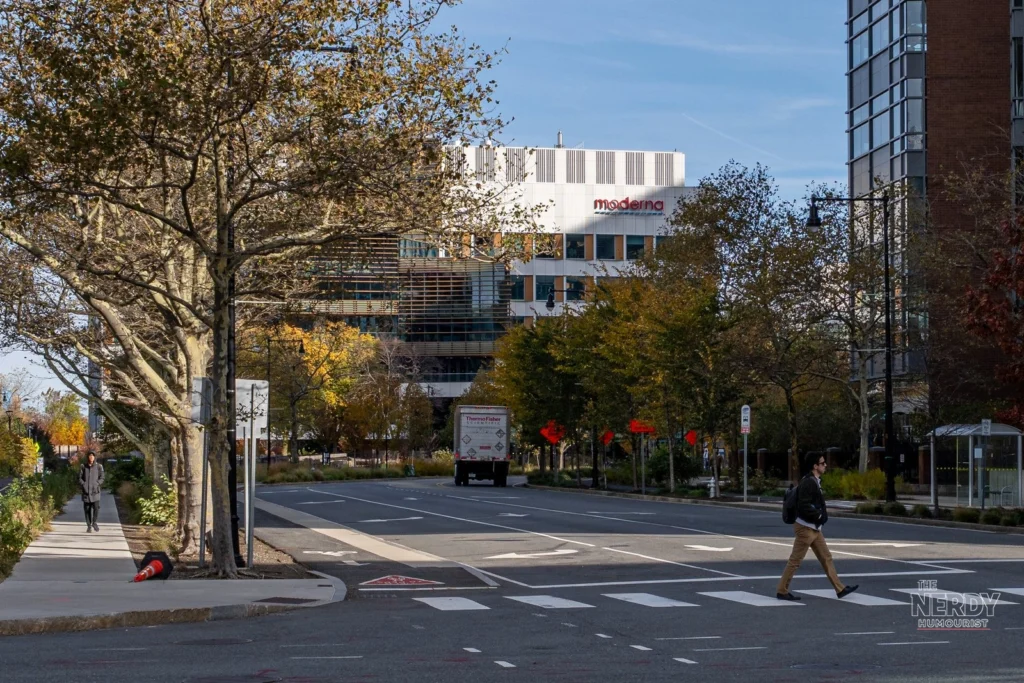
The unit already has marquee customers. OpenAI says it has won Moderna and Novo Nordisk as Rosalind customers — Moderna’s scientists use the models to turn complex data into plans for experiments, while the Danish drugmaker wants faster research and commercial execution from the partnership, according to OpenAI.
The Failed-Batch Example: How the Agents Work
OpenAI’s announcement makes its case through a concrete scenario. Getting a new medicine from first idea to U.S. regulatory approval takes 10 to 15 years on average, by the company’s count — and a single setback can cascade. Take a manufacturing batch that goes wrong: the failure can push back the start of a clinical trial, and teams must then work out which milestones need to move and whether they can limit the disruption.
Orchestra’s agents take over that detective work. On its platform, scientists and program leads hand off the monitoring and tracking of studies and campaigns to the AI agents, which work out which activities and deadlines are affected, pull together the relevant information and compare possible responses. The final call stays with the scientists and program leaders. “Our goal is to help scientists make discoveries and manage the work needed to turn them into treatments that reach patients sooner,” OpenAI said in the announcement, as reported by Decrypt.
OpenAI gave no timeline for when Orchestra’s agents will show up in its products, and the financial terms were not disclosed, SiliconANGLE notes.
OpenAI vs Anthropic: The Biotech Land Grab
The Orchestra Bio deal is the latest shot in a rivalry that is now playing out inside laboratories. About six months ago, rival Anthropic bought AI biotech startup Coefficient Bio for roughly $400 million, according to Decrypt and SiliconANGLE, and Anthropic launched Claude Science in June — both labs are, as one analysis put it, “pushing into science as they look to expand beyond their core competencies in coding and cybersecurity.”
It is also not OpenAI’s first health-care move this year. Medical records company Torch Health joined OpenAI in January to build out ChatGPT Health, SiliconANGLE reports. As TechCrunch’s Julie Bort notes, the pattern is familiar across the startup world: the biggest labs either launch competing features or absorb the startups building on them — “in this case, Orchestra is getting absorbed, rather than stomped out.”
Related: OpenAI’s scrapped GPT-6.1 ‘Astra’ over safety concerns and Anthropic’s IPO targeting a $2 trillion valuation this November.
FAQ: OpenAI Acquires Orchestra Bio
What is Orchestra Bio?
Orchestra Bio is a four-year-old San Francisco startup founded in 2022 by Ashoka Rajendra. Its platform uses AI agents to help biopharmaceutical teams coordinate drug development — monitoring studies, tracking timelines and finances, and working out how setbacks like a failed manufacturing batch affect clinical trials.
How much did OpenAI pay for Orchestra Bio?
The financial terms were not disclosed. The startup had raised around $20 million as of 2025 from backers including Andreessen Horowitz, Atria and 8VC, according to TechCrunch.
What is Rosalind?
Rosalind is OpenAI’s family of AI models and tools for life sciences research, launched in April with the GPT-Rosalind reasoning model. It includes Rosalind Workbench, which connects the models to scientific data and tools so researchers can plan experiments and analyze results. Moderna and Novo Nordisk are among its customers, according to OpenAI.
Why are OpenAI and Anthropic racing into biotech?
Both labs are expanding beyond coding and cybersecurity into science. Anthropic bought Coefficient Bio for roughly $400 million in April and launched Claude Science in June; OpenAI acquired Torch Health in January for ChatGPT Health and now Orchestra Bio for Rosalind. Drug development’s decade-plus timelines and coordination-heavy workflows make it a prime target for AI agents.


Leave a Reply
You must be logged in to post a comment.