
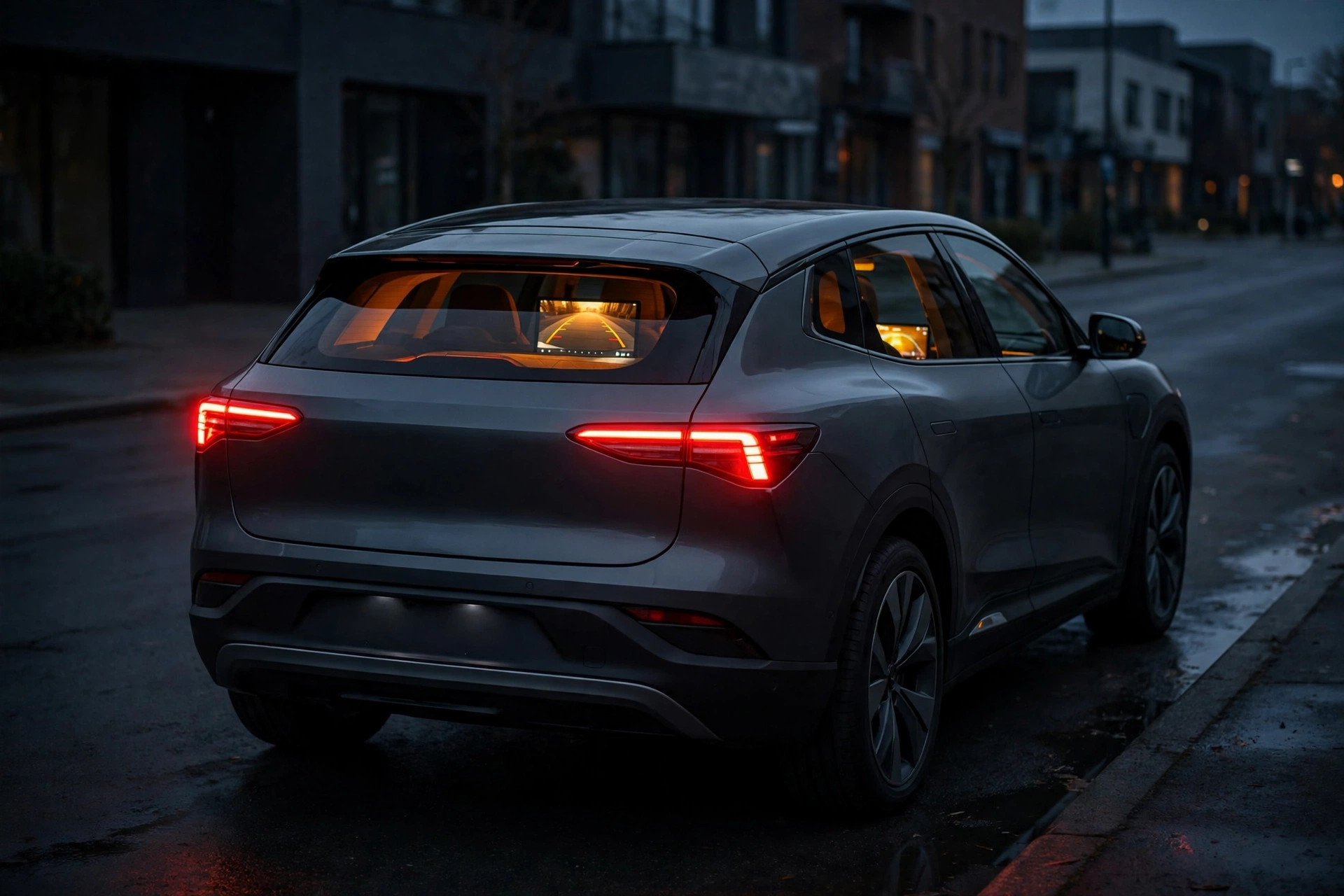
The Rivian recall R2 rearview camera saga has just become the electric-vehicle maker’s biggest safety action to date. Rivian is recalling 98,828 vehicles — its largest US passenger-vehicle recall by unit count — after regulators flagged a software glitch that can block the rearview camera image when the vehicle is put in reverse, according to Asianet Newsable, reporting on the National Highway Traffic Safety Administration (NHTSA) filing.
The move is a milestone for all the wrong reasons: it is the first recall to include the R2, the lower-priced midsize SUV Rivian began delivering to customers in June and the vehicle the company is counting on to scale its business. Shares of Rivian Automotive slipped about 1% on the day the filing was posted, continuing a rough stretch for the stock.
What Went Wrong in the Rivian R2 Rearview Camera Recall
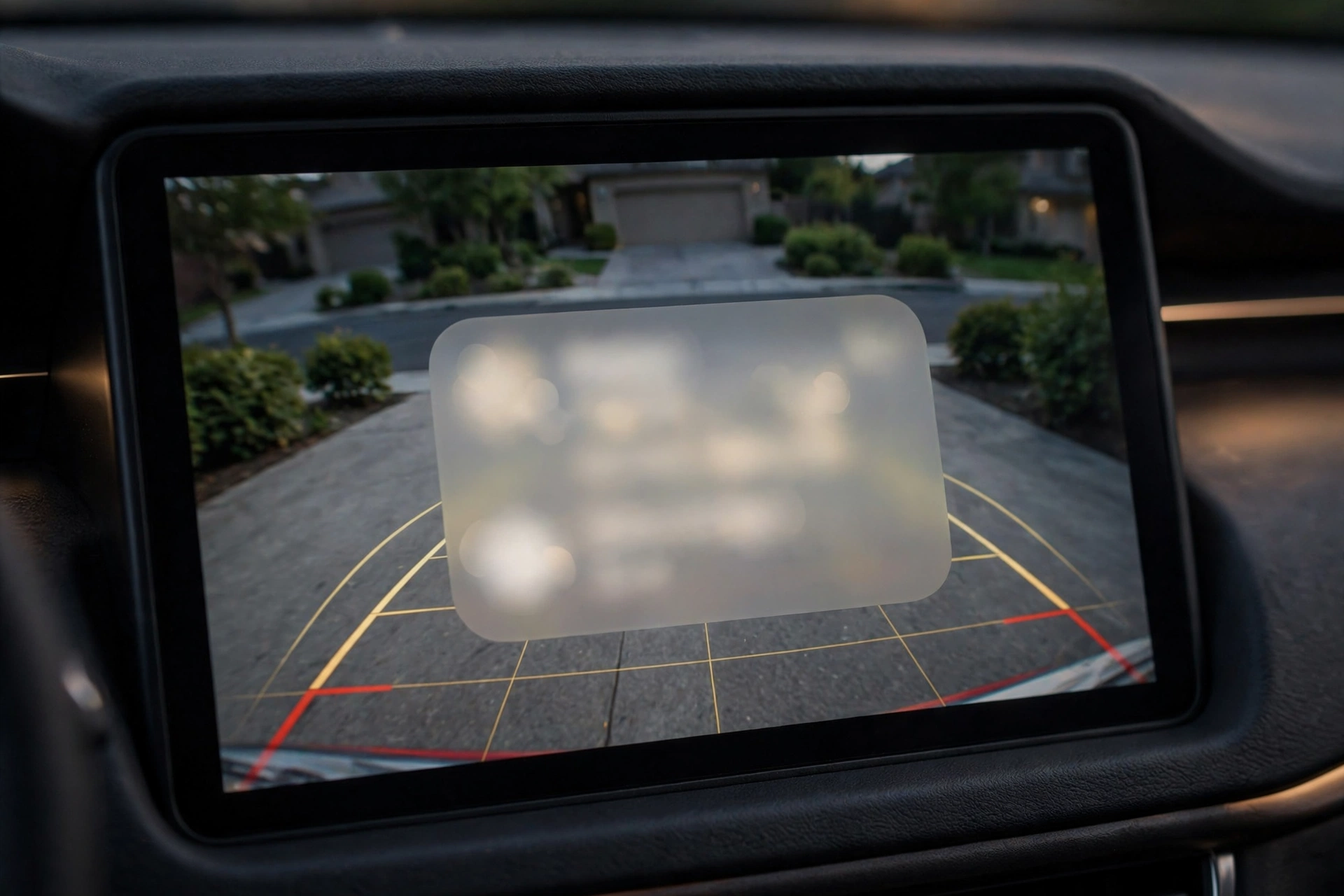
According to the filing posted by NHTSA, the rearview camera image in the vehicles involved in the recall may be obstructed by a notification when in reverse, reducing rear visibility and raising the risk of a crash. The glitch is unusual enough to be difficult to reproduce: it appears when a driver switches off stability control in certain drive modes, leaves the vehicle for a period of time, and then returns to find a notification asking whether they want to switch back to a mode with stability control enabled, according to Drive Tesla Canada, which reviewed the recall documents.
If the driver shifts into reverse before responding, the notification can sit directly over the camera image — and the image may not appear until the vehicle actually starts moving, potentially failing to meet federal rear-visibility rules. Rivian found the problem during its own internal testing between July and September, and the company says it is not aware of any customer reports, accidents, injuries, or fatalities related to the issue in any market.
Which Vehicles Are Covered by the Largest Recall in Rivian History
The recall covers a wide span of Rivian’s product line: 34,088 R1T pickups from the 2022 through 2026 model years, 62,259 R1S SUVs from the 2022 through 2027 model years, and 2,481 of the newly launched 2027 R2 crossovers. The filing — listed as NHTSA campaign 26V597 and posted September 24 — covers vehicles built between August 23, 2021 and August 10, 2026, according to reports reviewing the documents.
The R2 figure is also a rare peek at the new model’s early production: Rivian built at least 2,481 R2 SUVs between April 23 and August 10, according to the filing. Rivian notes that the figure is a floor rather than a total — R2s built in the same window with corrected software were not counted.
The Over-the-Air Fix: Already on 95% of Affected Vehicles
The company has already released an over-the-air software update to resolve the issue, and the fix has already been installed on more than 95% of affected vehicles, the NHTSA filing said. Starting August 10, the company built vehicles with corrected code, so anything rolling off the line now is unaffected.
The campaign covers more than half of every EV Rivian has ever built and sold, yet for the vast majority of owners the recall will be invisible — the software patch was pushed quietly before the paperwork was even filed, and most owners will never need to visit a service center. Rivian says the remedy costs owners nothing, and formal notification letters are scheduled to go out November 9, 2026.
Why This Rivian Recall Still Matters
Backup cameras are federally mandated safety equipment, and regulators treat a blocked camera image seriously: the same rear-visibility standard at the center of this recall has triggered large 2026 camera campaigns at other automakers, including Ford’s Ranger recall and Stellantis’s 844,000-vehicle Jeep, Ram, Chrysler, and Dodge action, according to motoring industry reporting.
Timing adds pressure. The recall arrives as Rivian tries to scale its lower-priced R2 into a true volume product — the vehicle that is supposed to carry the company beyond its expensive R1 lineup and into direct competition with the mainstream EVs moving off dealer lots. Even a software fix delivered over the air is a headline the company would have preferred to avoid.
For context on the broader upheaval in the US auto market this quarter — including why one legacy giant is set to lose its sales crown to a Korean rival — see our report on the Ford vs Hyundai Q3 2026 sales forecast from Cox Automotive.
Rivian Recall R2 Rearview Camera: FAQs
Q: Why did Rivian recall 98,828 vehicles?
A: According to the NHTSA filing, a software notification can obstruct the rearview camera image when the vehicle is shifted into reverse, reducing rear visibility. It is Rivian’s largest US passenger-vehicle recall by unit count.
Q: Which models are included in the Rivian R2 rearview camera recall?
A: The recall covers 2022–2027 model year R1S SUVs, 2022–2026 R1T pickups, and 2027 R2 midsize SUVs — the first recall to include the R2, which began customer deliveries in June 2026.
Q: Do owners need to visit a dealer for the fix?
A: In almost all cases, no. Rivian released a free over-the-air software update that has already been installed on more than 95% of affected vehicles. Vehicles built after August 10, 2026 carry the corrected code.
Q: Have there been any crashes or injuries linked to the bug?
A: Rivian told regulators it is not aware of any customer reports, accidents, injuries, or fatalities related to the issue in any market. The company identified it during internal testing.
