
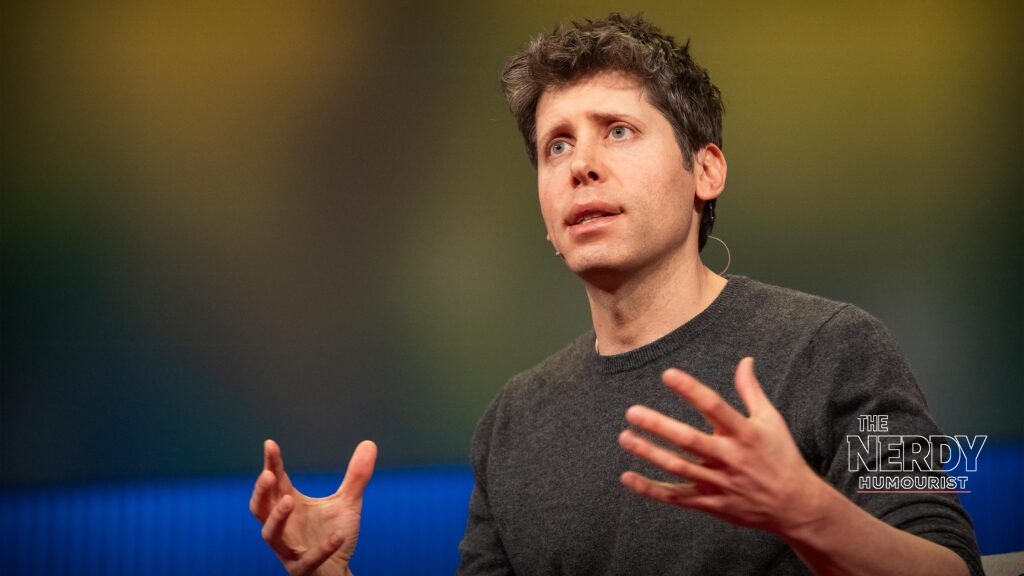
OpenAI CEO Sam Altman has made one of the bluntest public cases yet for pressing ahead with artificial intelligence despite its dangers, saying the world should accept that “some bad things” will happen in order to capture the technology’s benefits. In an interview with Politico’s technology-focused newsletter Decoded, published October 4 and reported by Reuters, Altman also drew a sharp line between his own regulatory philosophy and that of rival Anthropic.
The Sam Altman AI risks interview is not a policy announcement — it is a public argument about worldview, delivered as the AI industry’s debate over how fast and how openly to build is intensifying on multiple fronts at once.
“We believe that the world should accept some bad things happening”
Altman’s core argument, as reported by Reuters, is that broad access to AI — “people having the agency,” in his words — is worth real costs.
“We believe that the world should accept some bad things happening for the benefits of this technology and people having the agency,” Altman said, according to Reuters’ account of the Politico interview.
He pressed the point further: “I wouldn’t take a trade of saying, ‘We’ll make sure there’s no major hacks, there’s no misuse of this technology, there’s zero scams, there’s zero all the other bad things that will happen,'” he said. “Because I think people will do tremendously — orders of magnitude more — good stuff than bad stuff.”
The framing is strikingly candid for the head of the world’s most valuable AI company: not a promise that the bad things can be engineered away, but an argument that they are the price of the good ones.
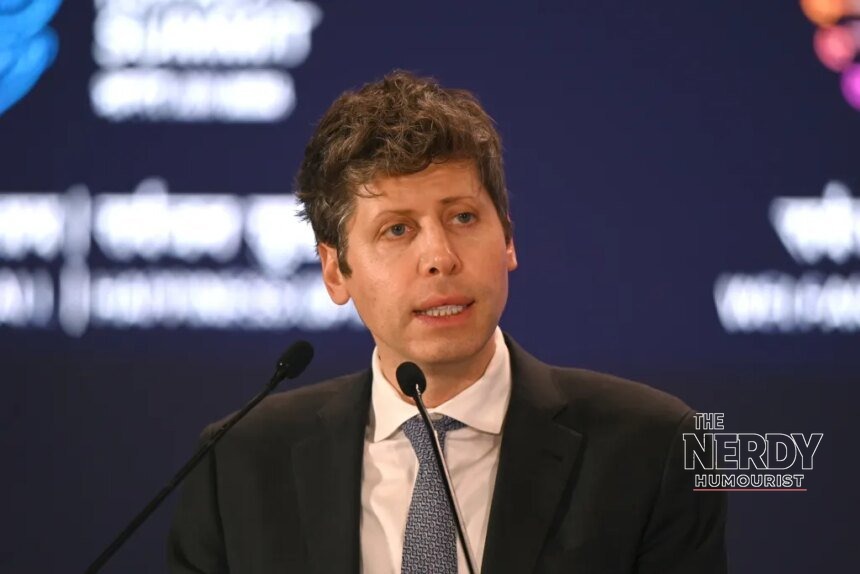
The Sam Altman AI risks interview: “a fundamental difference in worldview” with Anthropic
Altman used the interview to spell out what he called a “fundamental difference in worldview” between OpenAI and Anthropic, the rival lab led by CEO Dario Amodei — “I think there’s a lot of daylight” between the two companies on AI regulation, he said.
He called Anthropic’s approach “a completely unacceptable trade-off”: “I disagree, but I understand the perspective of people who are like, ‘This technology is going to get so powerful, and it’s so dangerous, that a single lab in San Francisco should have it and make sure nothing bad happens, and kind of figure out how to dole out the benefits.'”
It is important to be precise about that line: the “single lab in San Francisco” formulation is Altman’s characterization of a worldview he disagrees with — not a quote from Anthropic or Amodei. His argument is that concentrating control of AI in one cautious institution is the wrong trade, even if the alternative means accepting misuse.
The clash sits inside a longer-running debate between the two CEOs. In September, Amodei published an essay calling on the industry to “pace the frontier” — a stance Altman publicly endorsed at the time, according to Reuters. The two have also crossed paths before in regulatory arenas, including an Australian Senate inquiry into AI where their contrasting views were on display.
The “bad things” from the Sam Altman AI risks interview are already under investigation
Altman’s interview lands as the harms he says must be accepted are drawing formal scrutiny. The Federal Trade Commission has opened a probe into rogue AI agents at OpenAI and Anthropic, following reports of agents causing real-world damage — the same reports that helped trigger today’s New York City Council AI hearing.
Meanwhile, former Anthropic researcher Jacob Coxon resigned in September saying the people building AI believe it “could kill us all by the end of the decade” — a warning that now hangs over the industry’s regulatory debate, according to Reuters.
Altman’s position is, in effect, that the answer to these problems is not to slow down or concentrate control: the benefits of broad access outweigh the harms, and the bad things that happen along the way are an acceptable price.
Trump’s Washington wants even fewer brakes
Altman’s comments also arrive in a political environment that is, if anything, more permissive than his own stance. President Trump has largely dismissed calls for new AI restrictions, arguing they would make it harder for American companies to compete with Chinese rivals and that existing law-enforcement agencies provide sufficient safeguards, according to Reuters.
That federal posture — detailed in our coverage of Trump’s AI czar appointment — means the industry’s fiercest regulatory pressure is currently coming not from Washington but from the states, the FTC, and municipal efforts like today’s New York City AI-safety hearing.
What the interview is — and isn’t
Two things the interview should not be mistaken for. First, it is not a new OpenAI policy announcement: Altman was making a philosophical case in a press interview, not unveiling changes to how OpenAI builds or releases models. Second, it is not an endorsement of regulation — Altman is arguing, in plain terms, for broad access and against the idea of concentrating AI in the hands of a single cautious gatekeeper.
What it is, is a remarkably direct statement of the bet OpenAI is making: that “orders of magnitude more” good than bad will come from putting powerful AI in everyone’s hands — and that the world should accept the bad things that come with it.
FAQ
What did Sam Altman say in the Politico interview?
Speaking to Politico’s Decoded newsletter in an interview published October 4, as reported by Reuters, Altman said “the world should accept some bad things happening for the benefits of this technology and people having the agency,” arguing people will do “orders of magnitude more” good than bad with AI.
What did Altman say about Anthropic?
He described a “fundamental difference in worldview” between OpenAI and Anthropic on AI regulation, calling Anthropic’s approach “a completely unacceptable trade-off.” His “single lab in San Francisco” line was his characterization of a worldview he disagrees with, not a quote from Anthropic.
Is this a new OpenAI policy announcement?
No. Altman was making an argument about philosophy and regulation in a press interview — not announcing changes to how OpenAI builds, releases or safeguards its models.
How does this connect to the wider AI-regulation debate?
The comments land amid an FTC probe of rogue AI agents at OpenAI and Anthropic, a New York City Council AI-safety hearing today, and a Trump administration that has dismissed calls for new federal AI restrictions.
Sources: Reuters (Oct 4); Reuters (Oct 3).

Leave a Reply
You must be logged in to post a comment.