
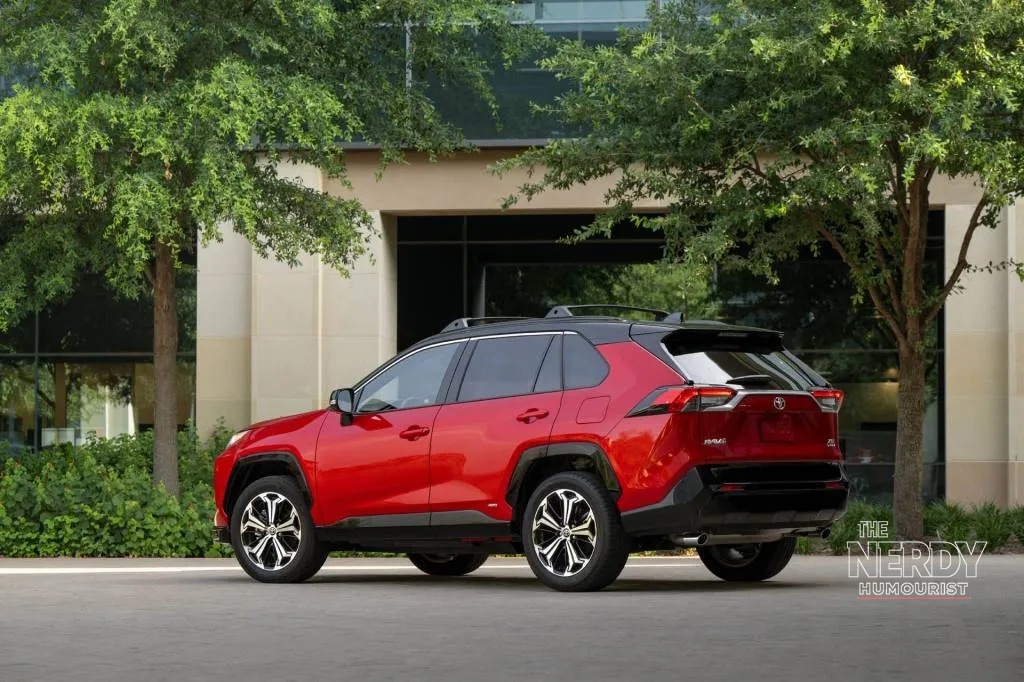
Toyota Recalling More Than 1 Million Vehicles Over Rearview Camera Failure
Toyota is recalling more than 1 million vehicles in the United States after discovering that a software error in the Panoramic View Monitor system can cause the rearview camera to freeze or go blank while a vehicle is in reverse, a defect that federal regulators say increases the risk of a crash.
The recall, announced by the National Highway Traffic Safety Administration, covers an estimated 1,024,407 Toyota, Lexus and Subaru vehicles across more than 100 model and model-year combinations. It is one of the largest single vehicle recalls tied to a rearview camera malfunction in recent years, and Toyota has told owners that dealers will update the parking assist software free of charge.
Toyota recall rearview camera: what went wrong
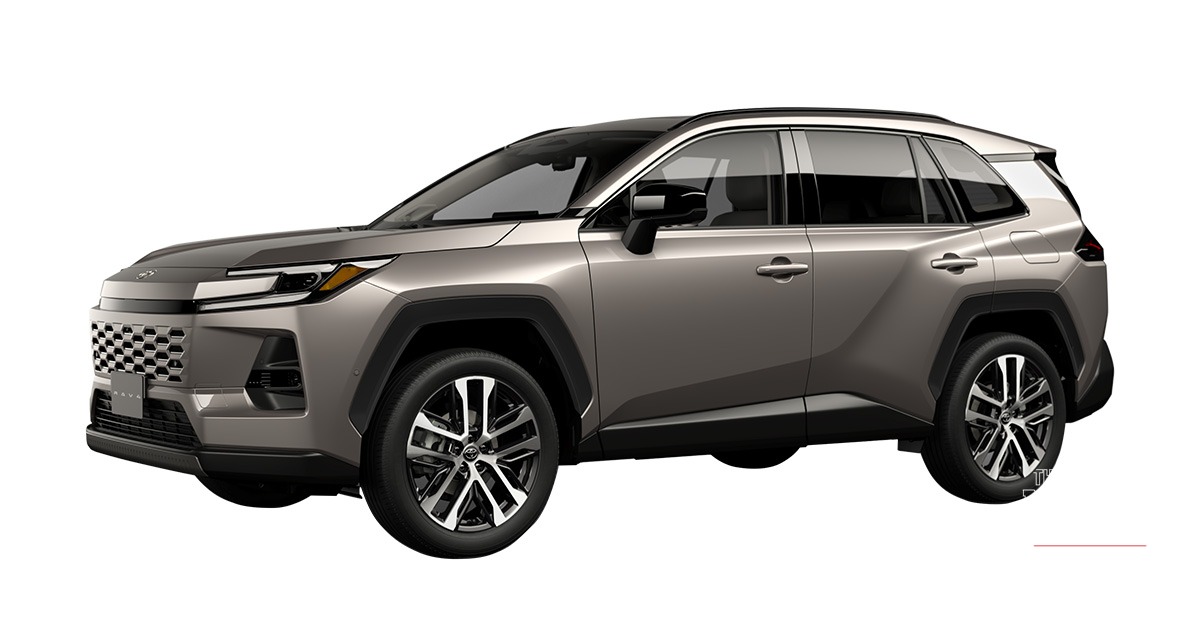
According to NHTSA, a software error in the vehicles’ Panoramic View Monitor (PVM) system may cause the rearview camera display to freeze or go blank when the car is shifted into reverse. Because federal safety rules require a working rear visibility system in every new vehicle, the malfunction means the affected vehicles fail to comply with Federal Motor Vehicle Safety Standard No. 111.
“A rearview camera that fails to display an image can reduce the driver’s view behind the vehicle, increasing the risk of a crash,” NHTSA said in its recall notice.
The agency said the rearview camera problem traces to the PVM’s parking assist software. Toyota confirmed the issue following field reports from owners and then filed the recall notice with the safety regulator. The fix is a software update performed at dealerships, with no parts replacement expected.
Which models are affected by the Toyota recall
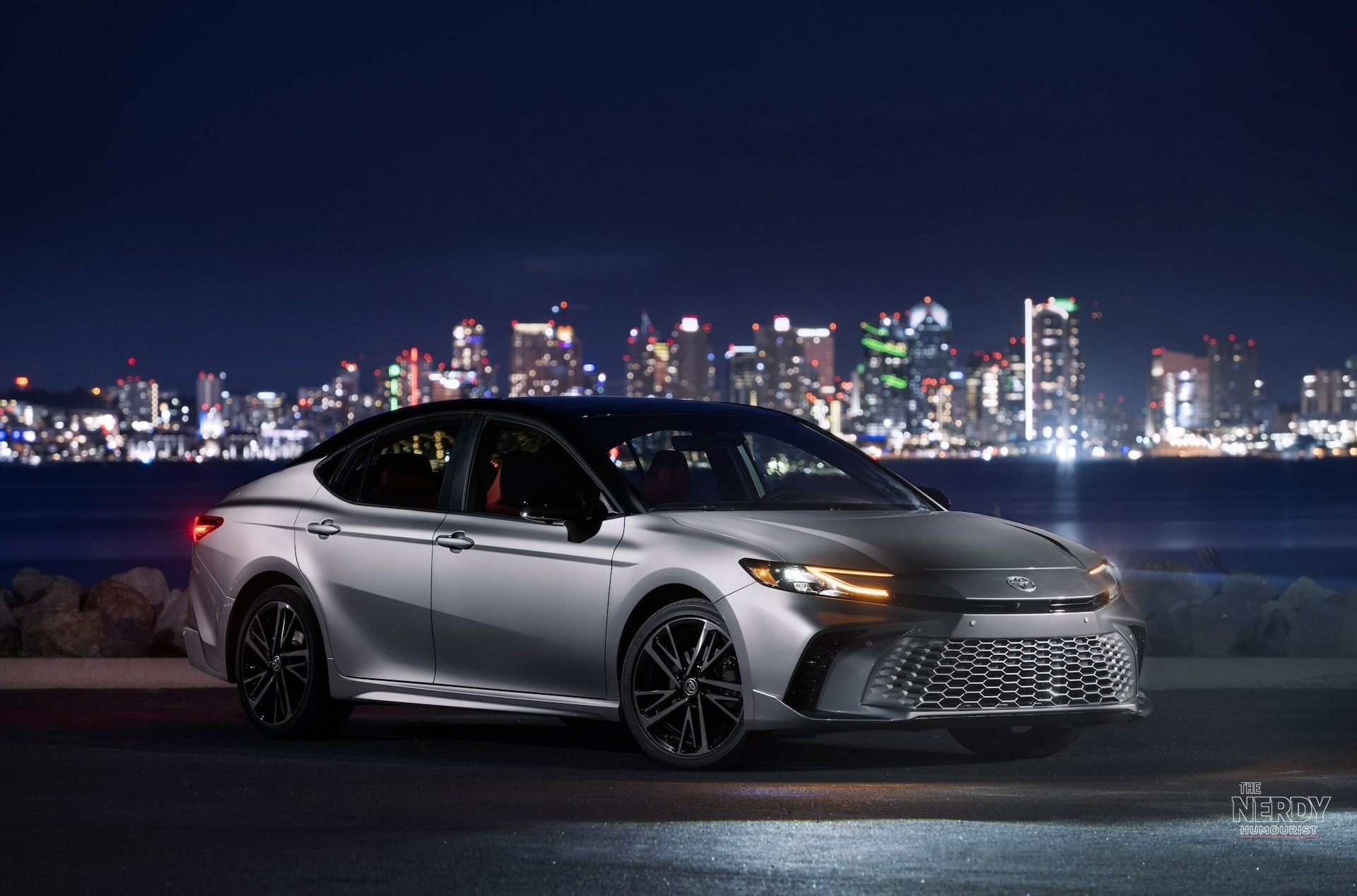
The Toyota recall rearview camera campaign spans model years 2022 through 2026 and includes:
Toyota models
- Toyota RAV4, RAV4 Hybrid, RAV4 Plug-In Hybrid and RAV4 Prime (2023–2025)
- Toyota Camry Hybrid (2025–2026)
- Toyota Highlander and Highlander Hybrid (2023–2025)
- Toyota Grand Highlander and Grand Highlander Hybrid (2024–2026)
- Toyota Crown and Crown Signia (2023–2026)
- Toyota Prius, Prius Prime and Prius Plug-In Hybrid (2023–2025)
- Toyota Sienna Hybrid and Venza Hybrid (2023–2025)
- Toyota Land Cruiser (2024–2025), Mirai (2023–2025) and bZ4X (2023–2025)
Lexus models
- Lexus ES and ES Hybrid (2023–2025)
- Lexus RX, RX Hybrid and RX Plug-In Hybrid (2023–2026)
- Lexus NX and NX Hybrid (2022–2025), NX Plug-In Hybrid (2023)
- Lexus LS and LS Hybrid (2023–2025), LC and LC Hybrid (2024–2025)
- Lexus GX (2024–2025), LX (2022–2025), RZ (2023–2025) and TX series (2024–2026)
Subaru models
- Subaru Solterra (2023–2025)
Owners can confirm whether a specific vehicle is covered by entering its 17-digit vehicle identification number into NHTSA’s recall lookup tool at nhtsa.gov/recalls or Toyota’s own recall site.
What owners should do next
Toyota is mailing owner notification letters, but drivers do not need to wait for a letter to act. If your vehicle is on the list, schedule a service visit at any authorized Toyota, Lexus or Subaru dealership. The remedy — a parking assist software update — will be performed at no cost to the owner, regardless of warranty status.
In the meantime, owners should use their mirrors and physically turn to check blind spots before reversing, especially in crowded parking lots and driveways where children or objects may be hard to see.
A growing pattern of rearview camera recalls
The Toyota campaign is the latest in a string of large recalls tied to backup camera failures, which have drawn close attention from regulators since rearview cameras became mandatory equipment on new vehicles.
According to Reuters, Ford recalled about 3.3 million vehicles in the month before the Toyota announcement over separate rear camera issues. Stellantis recalled nearly 1.2 million vehicles last year for a rearview camera problem, and Toyota itself recalled nearly 394,000 U.S. vehicles in September 2025 — including certain 2022–2025 Tundra and Tundra Hybrid and 2023–2025 Sequoia Hybrid models — because a rear-view camera fault could reduce driver visibility.
Rearview cameras became standard under a federal rule designed to reduce backover crashes, and the rule’s safety benefit disappears entirely when the display freezes or goes dark. That is why NHTSA treats camera malfunctions as compliance violations rather than minor quality defects — a framing that has pushed automakers to resolve software glitches through recalls even when no hardware is involved.
Toyota has not reported any crashes or injuries connected to the Panoramic View Monitor defect, according to available regulatory filings, and the company’s remedy timeline suggests most owners will receive notices before the fix is applied.
FAQ: Toyota rearview camera recall
Why is Toyota recalling 1 million vehicles?
Toyota is recalling an estimated 1,024,407 Toyota, Lexus and Subaru vehicles because a software error in the Panoramic View Monitor system can make the rearview camera image freeze or go blank in reverse. NHTSA says the failure means the vehicles do not comply with the federal rear visibility standard and raises the risk of a crash.
Which vehicles are covered by the recall?
The recall covers Toyota, Lexus and Subaru models from model years 2022 through 2026 equipped with the Panoramic View Monitor system, including the Toyota RAV4, Camry Hybrid, Highlander, Prius and Crown, most Lexus models, and the Subaru Solterra. Owners can verify coverage with their VIN on nhtsa.gov/recalls.
How is the problem fixed?
Dealers will update the parking assist software in affected vehicles free of charge. No hardware replacement is required, according to the recall notice.
Is it safe to drive a recalled vehicle before the fix?
Toyota has not instructed owners to stop driving. Drivers should rely on mirrors and direct observation while reversing until the software update is installed.
Sources: Reuters; National Highway Traffic Safety Administration. For more automotive coverage, see our Tesla Q3 earnings preview and Slate Auto’s Chicago experience center opening.


Leave a Reply
You must be logged in to post a comment.