
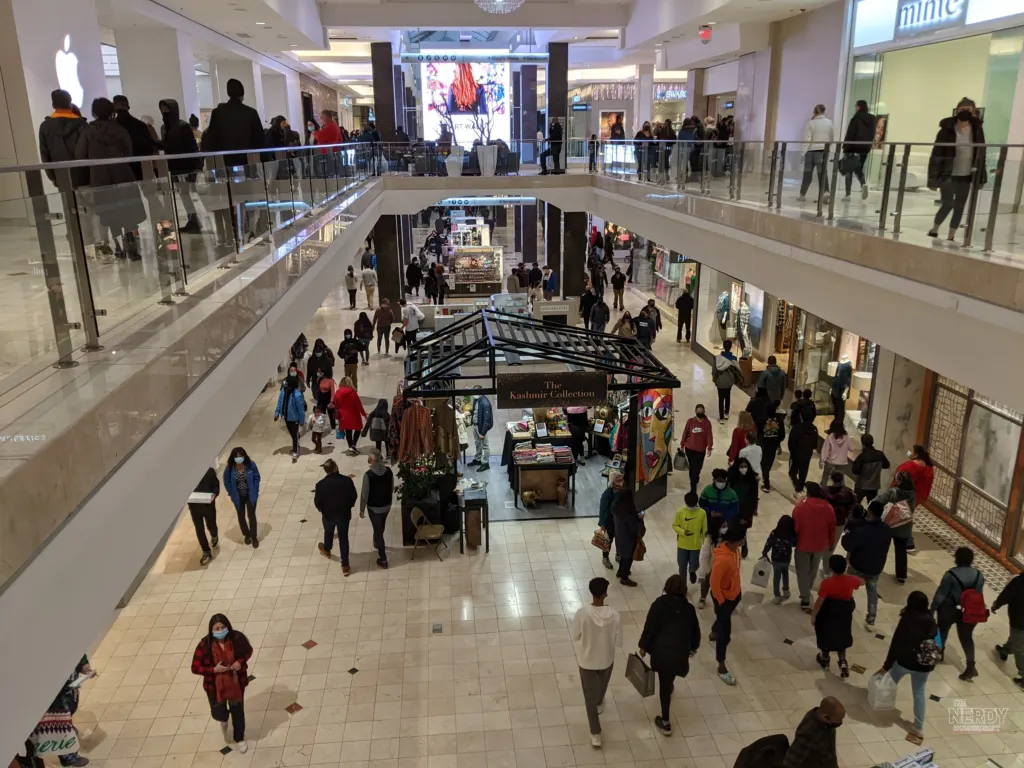
Black Friday online sales are set to cross $13 billion. US shoppers had already spent $9.7 billion online by 6:30 p.m. ET on Friday, up 12.8% from last year, and Adobe Analytics expects the final total to land between $13 billion and $13.4 billion. That beats the $12.9 billion Adobe forecast back in September.
Reuters reported the numbers on Saturday, November 28. If the final figure holds, Black Friday will be the biggest online shopping day of the year so far — and it still won’t be the biggest of the season. That title belongs to Cyber Monday.
The spending spree started a day early. Thanksgiving Day itself turned into a record.
Thanksgiving beat the forecast — and our number too
Americans spent $7.1 billion online on Thanksgiving Day, up 10.4% from last year, according to Adobe. That’s a record for the holiday, and it beat Adobe’s own forecast of $6.9 billion.
It also beats a number this site carried yesterday. Our forecast yesterday put Thanksgiving Day online spending at $6.9 billion, based on Adobe’s September forecast. The actual came in $200 million higher. Credit where it’s due: shoppers showed up stronger than anyone expected.
Discounts did a lot of the work. Electronics, toys and apparel saw the steepest markdowns, and shoppers responded. Phones did most of the buying — 63.2% of Thanksgiving online spending, about $4.5 billion, came through mobile devices, another record.
Then there was AI. Shoppers using AI tools converted far better than regular visitors, Digital Commerce 360 reported. AI traffic to US retail sites rose 162% year over year on Thanksgiving, and those visits converted 74% better than non-AI traffic. The chatbots aren’t a gimmick anymore. They’re moving real money.
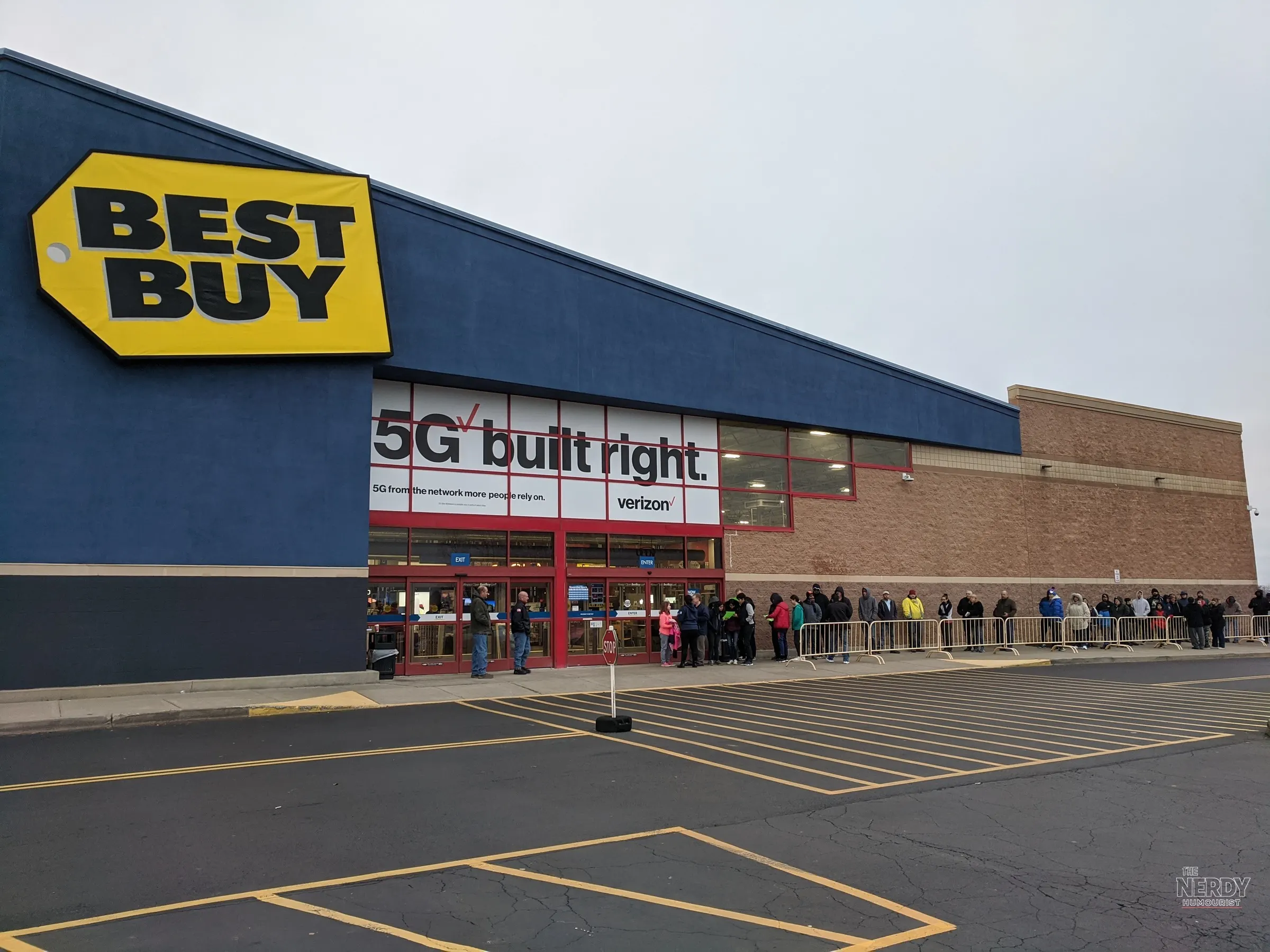
Black Friday online sales: the day itself
By 6:30 p.m. ET on Black Friday, online spending had hit $9.7 billion. That’s a 12.8% jump on last year, and the pace suggests the evening hours pushed the total past $13 billion. Adobe’s range for the final number is $13 billion to $13.4 billion.
Keep in mind, that final figure is still a projection. The $9.7 billion through 6:30 p.m. is measured. The rest is Adobe’s estimate of how the evening played out. Either way, the day beat the September forecast of $12.9 billion, up 9.2% year over year.
Salesforce, which tracks a different slice of the market, told a similar story. Its data showed $5.9 billion in US online sales in the first half of Black Friday, and $30.7 billion globally. Salesforce has the day on track for $18.7 billion in the US, up 4% year over year, and $83 billion worldwide, up 5.2%.
Two trackers, two different totals. That’s normal. Adobe and Salesforce measure different sets of retailers, and their numbers never match exactly. What matters is the direction: both say spending is up, and up by more than expected.
The weekend ahead
Saturday and Sunday should keep the momentum going. Adobe expects $6.1 billion in online spending on Saturday, up 6% from last year, and $6.4 billion on Sunday, up 7.5%.
Then comes the main event. Cyber Monday is forecast to drive $15.1 billion in online spending, up 6.2% year over year. It stays the season’s biggest single day, even with Black Friday’s surge. Retailers have been spreading deals across the whole week, but Monday still holds the crown.
Add it all up and the five-day stretch from Thanksgiving through Cyber Monday is projected at $47.5 billion, up 7.4% from last year. That’s the number the whole retail industry watches. One strong day is nice. Five strong days is a season.
Why shoppers are still spending
The backdrop isn’t exactly rosy. Inflation is still biting, gas prices are high, and plenty of households say they’re watching every dollar. Reuters reported that bargain-hunting consumers are looking past those pressures and buying anyway.
US consumer confidence hit its highest level in nearly two years in November, which helps explain the mood. People feel better about their jobs and their money than they did a few months ago, and that shows up at checkout.
There’s a longer shift underneath the numbers too. Black Friday used to mean camping outside a store at midnight. Now it means scrolling on a phone from the couch. Thanksgiving’s $7.1 billion — with nearly two-thirds of it on mobile — says the holiday has gone fully digital. The stores still matter, but the phone is where the money moves.
The season’s broader picture backs that up. Americans had already spent $82.5 billion online between November 1 and 22, up 9.1% from last year, before Thanksgiving even arrived. Deals started weeks early, and shoppers started buying weeks early. Black Friday isn’t a day anymore. It’s a month with a really big Friday in the middle.
Black Friday online sales: what to watch next
Cyber Monday’s number lands Tuesday, and it’ll tell us whether this was a one-day burst or a season-long surge. If Monday tops $15.1 billion, the holiday season is on track to beat every forecast on the table.
Retailers will also be watching what people actually bought. Electronics, toys and apparel led the discounts on Thanksgiving. Whether shoppers keep buying the big-ticket stuff — TVs, laptops, game consoles — or shift to smaller gifts as December wears on will shape how the rest of the season plays out.
For now, the scoreboard reads: Thanksgiving $7.1 billion, Black Friday past $13 billion, and a Cyber Monday still to come. The forecasters underestimated this crowd. Twice in two days.
FAQ
How much did Americans spend online on Black Friday 2026?
Adobe Analytics measured $9.7 billion through 6:30 p.m. ET on Friday, up 12.8% year over year. The final total is expected to land between $13 billion and $13.4 billion, beating Adobe’s September forecast of $12.9 billion.
What did Thanksgiving Day online spending come to?
$7.1 billion, up 10.4% from last year — a record for the holiday. That beat Adobe’s forecast of $6.9 billion, which is also the figure our forecast article carried yesterday.
What’s forecast for Cyber Monday?
Adobe expects $15.1 billion in online spending, up 6.2% year over year, keeping Cyber Monday the season’s biggest single shopping day. The five-day Thanksgiving-to-Cyber-Monday stretch is projected at $47.5 billion, up 7.4%.
How much of the spending happened on phones?
On Thanksgiving, 63.2% of online spending — about $4.5 billion — came through mobile devices. AI shopping tools also played a bigger role: AI traffic to US retail sites rose 162% year over year and converted 74% better than regular traffic.


Leave a Reply
You must be logged in to post a comment.