
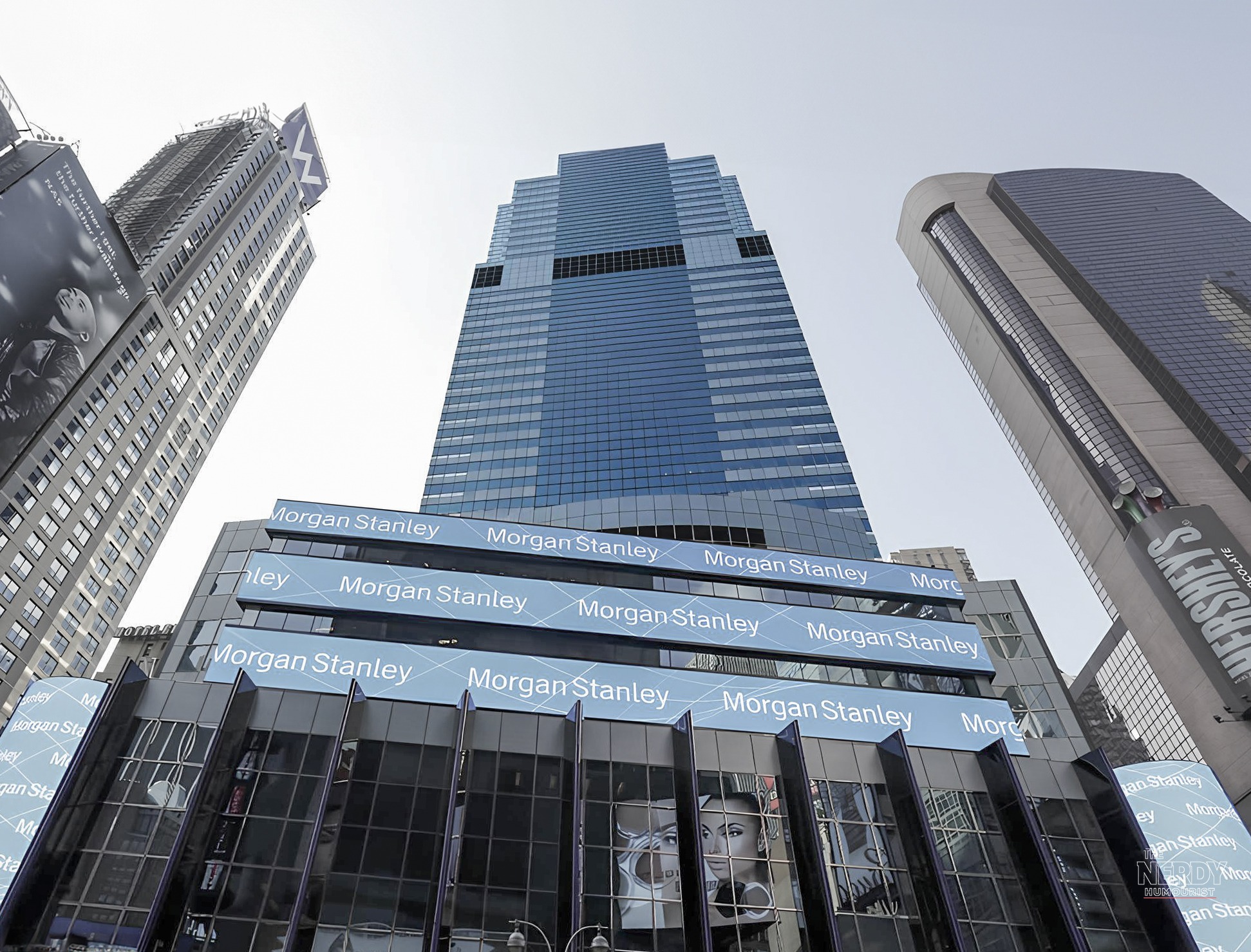
Global mergers and acquisitions fell off a cliff in the third quarter. Worldwide deal volume in global M&A Q3 2026 totaled $993 billion, down 41% from the second quarter and the first quarter below $1 trillion since the second quarter of 2025, according to LSEG data reported by Reuters on October 1.
The sharp pullback marks a sudden break in what had been one of the busiest dealmaking stretches in modern history. After two quarters of frenetic activity, boardrooms pulled back as borrowing costs surged to levels not seen in more than two decades.
Global M&A Q3 2026: the numbers behind the slowdown
The quarter’s deal tally tells a stark story. Only 10 transactions valued at more than $10 billion were announced in the third quarter — the fewest quarterly megadeals since the fourth quarter of 2024, according to LSEG data cited by Reuters.
The quarter’s largest deal was Banca Monte dei Paschi’s $32 billion bid for Italian rival Banco BPM, a proposed tie-up that would reshape the country’s banking landscape. The second-largest was Gold Fields’ $25.7 billion bid for Australia’s Northern Star Resources, a major consolidation move in the gold mining sector.

While the biggest transactions still got announced, the broad pipeline of mid-sized deals thinned out. The drop in overall volume suggests that acquirers across industries chose to wait rather than finance acquisitions at sharply higher borrowing costs.
Rising borrowing costs take the blame
The primary drag on dealmaking, according to bankers and the LSEG data, was the bond market. The 10-year US Treasury yield hit 5.34% on Thursday — its highest level since 2002 — capping the biggest quarterly rise in the benchmark yield this century, Reuters reported.
Higher long-term yields push up the cost of debt financing that funds leveraged buyouts and all-cash corporate takeovers. When yields climb this fast, deal math that worked in June no longer pencils out by September.
The bond market’s moves came as investors reassessed the path of interest rates following a string of softer economic readings, including a September jobs report miss that collapsed bets on an October Federal Reserve rate hike.
What Wall Street dealmakers are saying
John Collins, Morgan Stanley’s global head of mergers and acquisitions, told Reuters that higher yields make deal financing harder at the margins. “At the margins [higher yields] makes valuations sometimes a little tougher,” Collins said — though he added that he was “not ready to call a slowdown.”
That cautious stance reflects the strange duality of 2026’s deal market: a record-setting year-to-date performance sitting alongside a quarter that looked more like a correction.
Goldman Sachs dealmaker Carsten Woehrn struck a similarly resilient note, saying he could see total deal value for the year exceeding the 2021 peak if the current pace continues, according to Reuters.
Year-to-date, 2026 remains a record run
For all the third-quarter gloom, the year as a whole is still on pace to be historic. Worldwide M&A activity year-to-date is up 28% at $3.9 trillion — the highest total for the period since 2001, LSEG data shows.
That aggregate figure masks a structural shift, however. While total deal value is up sharply, the number of announced deals fell 8% from the same period last year. The market is being driven by a smaller number of ever-larger transactions rather than a broad-based wave of activity.
The combination — fewer deals, bigger tickets — is a classic late-cycle pattern. Deal watchers now view global M&A Q3 2026 as the first real stress test of the year’s record pace. Megadeals typically reflect confident corporate boards willing to bet big on strategic combinations, while the drop in deal count suggests smaller buyers and private equity sponsors are sitting on the sidelines until financing conditions stabilize.
What could bring the deal rush back
Whether the fourth quarter rebounds depends almost entirely on the bond market. If long-term yields stabilize or drift lower, the financing window reopens and the pent-up pipeline of deals could return quickly. A further spike in yields, on the other hand, would likely extend the chill into 2027.
For now, the message from the third quarter is clear: the era of ultra-cheap money that fueled the 2026 deal boom has hit a wall, and dealmakers are waiting for the dust to settle.
Frequently asked questions
How much did global M&A Q3 2026 fall?
Global M&A volume in Q3 2026 totaled $993 billion, down 41% from the second quarter, according to LSEG data reported by Reuters. It was the first quarter below $1 trillion since Q2 2025.
What was the biggest deal of Q3 2026?
The largest announced deal was Banca Monte dei Paschi’s $32 billion bid for Banco BPM. The second-largest was Gold Fields’ $25.7 billion bid for Northern Star Resources. Only 10 deals over $10 billion were announced in the quarter, the fewest since Q4 2024.
Why did deal activity slow in the third quarter?
Rising borrowing costs were the main drag. The 10-year US Treasury yield reached 5.34%, its highest since 2002, after its biggest quarterly rise this century, making debt-financed acquisitions more expensive.
Is 2026 still a record year for M&A?
Yes, on a year-to-date basis. Worldwide deal value is up 28% at $3.9 trillion, the highest for the period since 2001 — even though the total number of deals has fallen 8%. Goldman Sachs’ Carsten Woehrn says full-year value could exceed the 2021 peak if the pace continues.
Source: Reuters, October 1, 2026, reporting by Anousha Sakoui and Echo Wang, citing LSEG data.

Leave a Reply
You must be logged in to post a comment.