
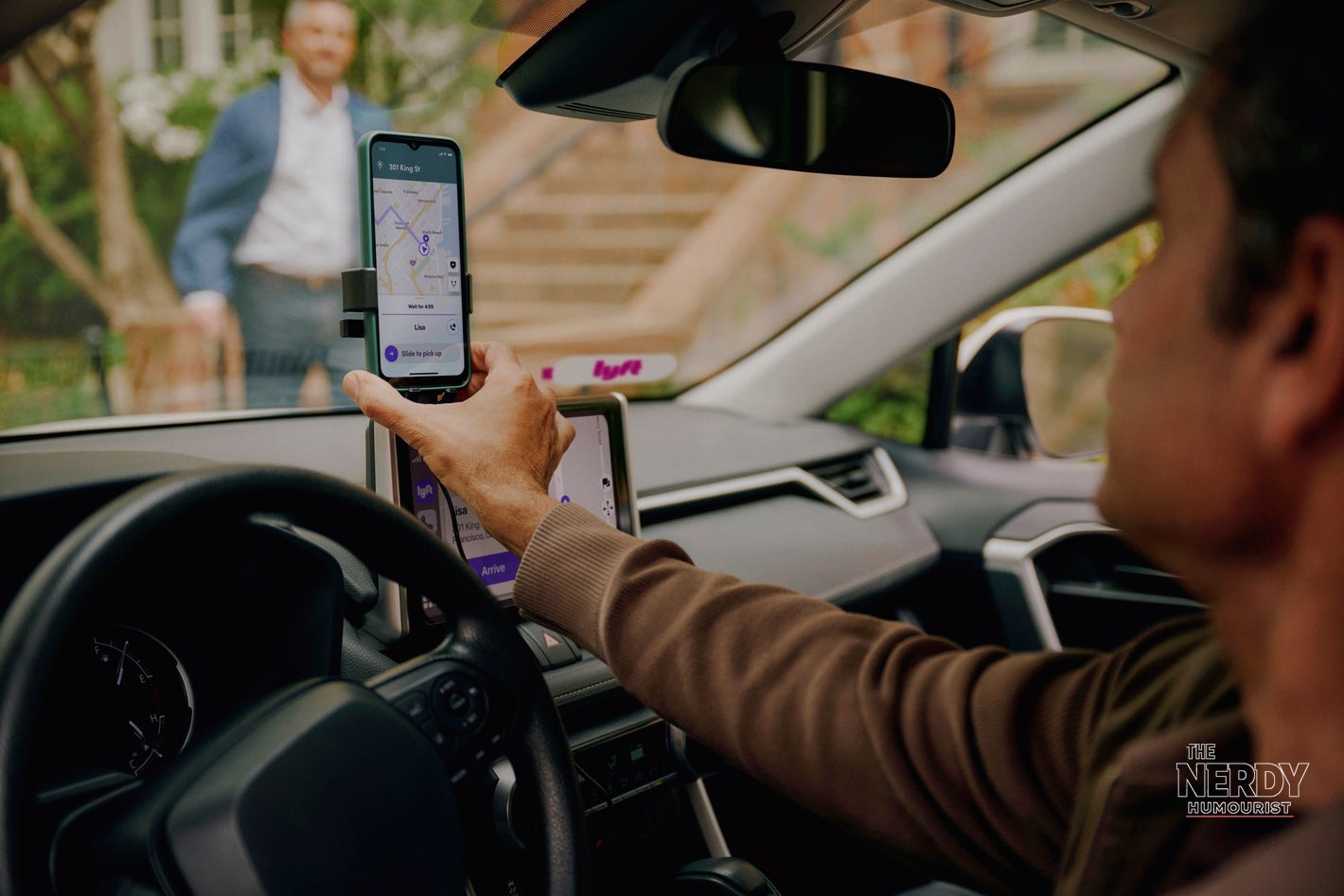
Lyft has agreed to pay $272.5 million to resolve claims brought by the state of California, Attorney General Rob Bonta, and the cities of Los Angeles, San Francisco, and San Diego that the ride-hailing company misclassified its drivers as independent contractors, according to Reuters. The Lyft California settlement, announced on October 1, is the largest wage-and-hour settlement in California history, according to the state Labor Commissioner’s Office.
The agreement settles allegations covering the period from April 2016 through December 2020, during which the state and the cities contended Lyft drivers were denied the wage and labor protections owed to employees under California law. About 87% of the settlement money will go directly to drivers, with individual payments calculated based on the miles and hours each driver worked, according to a release from the California Labor Commissioner’s Office carried by EIN Presswire.
What the Lyft California Settlement Covers
The claims at the heart of the case date to the years before California voters approved Proposition 22 in 2020, the ballot measure that kept app-based drivers classified as independent contractors while offering them some benefits. The lawsuit was rooted in California’s 2019 AB5 law, which set a stricter test for classifying workers as independent contractors — though the brief historical backdrop is itself still being litigated across the gig economy, and the companies maintain their drivers are properly classified.
Attorney General Bonta and the participating cities argued that, during the 2016–2020 window, Lyft treated drivers like contractors while exercising the kind of control more typical of an employer-employee relationship, depriving drivers of minimum wage, overtime, and other protections, according to Law Commentary. The state framed the case as wage theft on a large scale.
A record payout for California workers
At $272.5 million, the deal eclipses every prior wage-and-hour settlement in state history, the Labor Commissioner’s Office said. That figure puts the Lyft agreement among the largest worker-misclassification resolutions ever reached in the United States.
How the $272.5 Million Will Be Divided
The distribution plan puts the overwhelming majority of the money in drivers’ pockets. Roughly 87% of the fund — about $237 million — will be paid directly to eligible drivers who worked in California during the covered period, with amounts tied to miles and hours driven, the Labor Commissioner’s Office said.
Drivers who separately filed individual wage claims get an additional boost: $5.45 million in penalties redirected under the settlement will provide extra funds to more than 1,600 drivers who pursued their own claims, according to the Labor Commissioner’s Office release.
The remaining funds will cover penalties and administrative costs associated with the settlement. The deal still requires approval from the San Francisco Superior Court before any money is distributed, Law Commentary reports.
Lyft’s Response and the Road to Prop 22
Lyft did not admit wrongdoing. The company said its drivers were properly classified as independent contractors and that it is “glad to put this case behind us,” according to Reuters. Lyft framed the settlement as closing a chapter that predates the November 2020 approval of Proposition 22, which cemented independent-contractor status for app-based drivers in California.
The settlement lands against a shifting US labor backdrop. Broader labor-market data has shown cooling hiring conditions in recent months — see our coverage of the September jobs report miss and what it means for Fed rate-cut odds — and Federal Reserve officials have signaled no urgency on the next rate move as wage growth and employment conditions evolve. For gig workers, the Lyft deal is a reminder that classification fights remain one of the most consequential labor battlegrounds in the country.
Lyft California Settlement: What Happens Next
Three milestones remain. First, the San Francisco Superior Court must approve the agreement — a standard but not guaranteed step in settlements of this size. Second, a claims process will determine how the driver payments are calculated and distributed. Third, related litigation against Uber remains active, Law Commentary notes, meaning the legal questions at the center of the Lyft case could still be tested further.
For now, the settlement stands as the high-water mark for California wage-and-hour enforcement — and a costly close to Lyft’s pre-Proposition 22 legal exposure.
Frequently Asked Questions
How much is Lyft paying in the California settlement?
Lyft agreed to pay $272.5 million, which the California Labor Commissioner’s Office says is the largest wage-and-hour settlement in the state’s history.
Which drivers are eligible for payments from the Lyft California settlement?
About 87% of the fund will go directly to drivers who worked in California between April 2016 and December 2020, with payments based on miles and hours driven. More than 1,600 drivers who filed separate wage claims will receive additional money through $5.45 million in redirected penalties, according to the Labor Commissioner’s Office.
Is the Lyft California settlement final?
Not yet. The deal still requires approval from the San Francisco Superior Court before payments can be distributed, according to Law Commentary.
Does the settlement affect Proposition 22 or other gig companies?
The case covers conduct before Proposition 22’s 2020 approval, and Lyft maintains its drivers were properly classified. Related litigation against Uber remains active, so the broader legal fight over driver classification in California is not over.

Leave a Reply
You must be logged in to post a comment.