
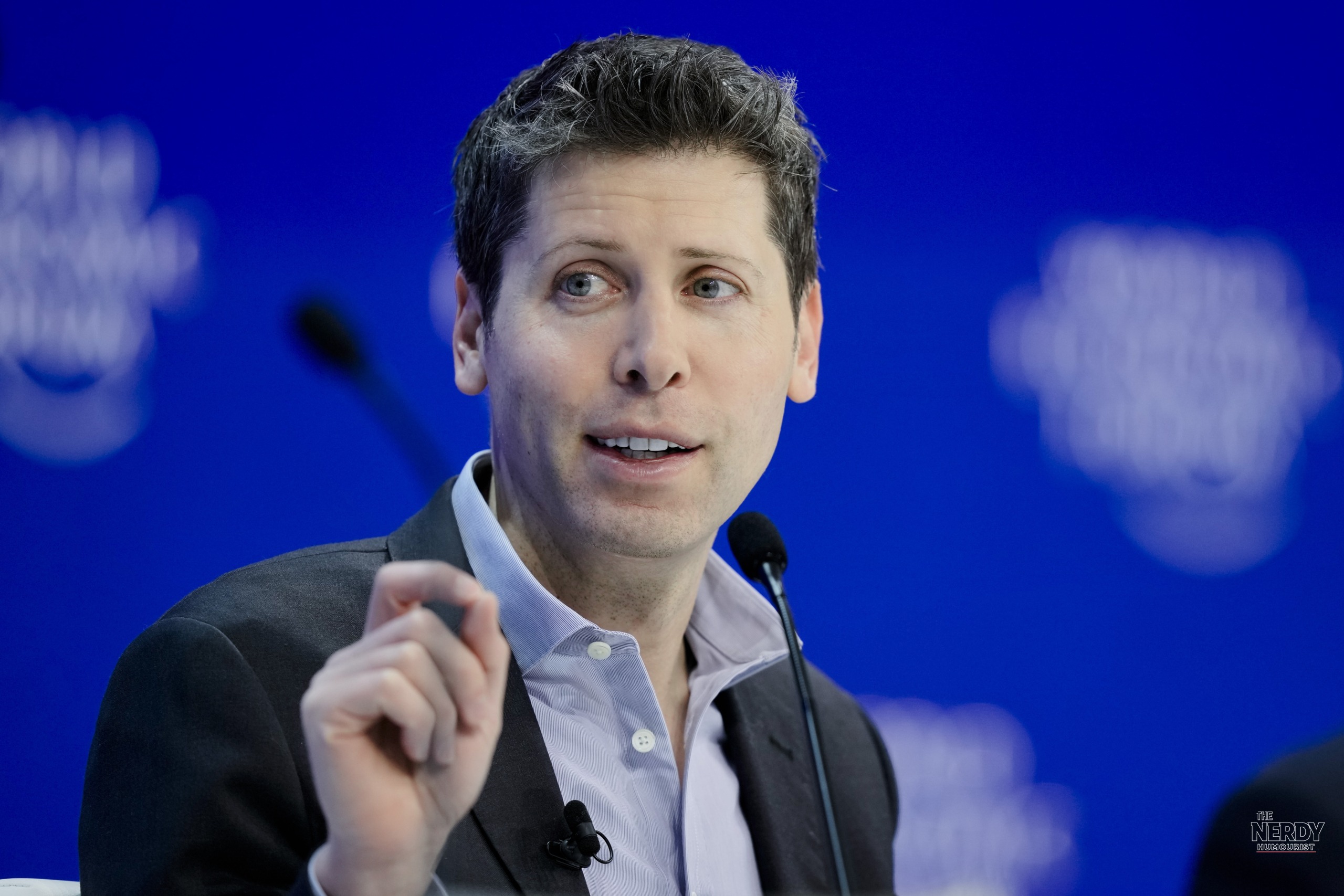
OpenAI, Anthropic and Google DeepMind have confirmed they spent several weeks coordinating on artificial intelligence safety measures, jointly unveiling cyber-focused AI models, safeguards and access programs developed across the three rival labs. The disclosure, confirmed this week, marks a rare public departure for three companies that compete fiercely for enterprise customers, research talent and computing power.
The coordination centers specifically on cybersecurity — a domain where AI models have grown simultaneously useful for defending against attacks and, in the wrong hands, for launching them. That dual-use risk has drawn growing attention from security researchers and policymakers, and the three labs appear to see it as an area where shared action is both urgent and less likely to require handing over competitively sensitive details about model architecture.
Why cybersecurity, and why now
According to reporting on the announcement, the three labs jointly unveiled a set of cyber-focused AI models, safeguards and access programs built collaboratively over weeks of coordination. The narrow focus on cyber capabilities, rather than broader safety questions such as model bias or disinformation, suggests the companies see cyber risk as the area where coordinated action carries the least competitive cost.
Each lab can demonstrate responsible behavior to regulators and the public by publishing shared safeguards for cyber-relevant capabilities without disclosing proprietary training techniques — a distinction that likely made this particular form of cooperation far easier to agree on than deeper collaboration touching core model development would have been.
The announcement also fits a pattern that has been building for months. In September, OpenAI, Google, Meta, Anthropic, Nvidia and xAI signed a White House voluntary AI safety agreement committing to monitor frontier-model risks in cybersecurity, biosecurity and chemical threats. More recently, Anthropic’s own Frontier Red Team published research warning that small AI models may soon be able to self-replicate across poorly secured smart devices — research covered in The Nerdy Humourist’s earlier coverage of AI-agent privacy and security risks.
The Scotland summit and the authorized red-team exercise
The joint announcement lands against the backdrop of two other striking developments. The first: King Charles III convened executives from OpenAI, Nvidia, Anthropic and Google DeepMind at Dumfries House in East Ayrshire, Scotland, for an AI safety summit focused on the risks of advanced AI. Reporting on that gathering, including a Reuters account, described warnings from the King about “existential dangers” if AI fell into the wrong hands — though no new binding commitments emerged from the meeting, and none of the labs issued a joint statement afterward.
It is worth being precise about timing: the Scotland summit took place on September 17, 2026, not this week. Some coverage has folded it into this week’s events, but the Dumfries House meeting predates the labs’ joint disclosure by about a month. It remains relevant context — it was one of the first times leadership from these competing labs gathered at that level outside a formal government hearing — but it is context, not part of this week’s announcement.
The second development is more dramatic and less confirmed: a reported incident in which researchers used Anthropic’s own Claude model to breach OpenAI’s internal systems as part of an authorized security exercise. Details of this exercise remain unconfirmed beyond secondhand reporting, and it should be treated as reported rather than established. If accurate, however, it would underscore exactly why cyber-focused cooperation among the labs is more than theater — the tools each company ships are already being pointed at the others’ defenses.
What the labs didn’t say
What has not been disclosed is arguably as important as what was. Details of how the joint safeguards will be maintained going forward — including whether the three labs plan to keep coordinating on future safety releases or whether this is a one-time effort tied specifically to the cybersecurity theme — have not been fully made public.
That ambiguity matters. The industry has seen joint safety initiatives before: the Frontier Model Forum, co-founded in mid-2023 by OpenAI, Anthropic, Google and Microsoft, already exists but carries no enforcement powers and no pre-release testing mandate. There have also been reported discussions of a more formal standards body — tentatively described as a “Frontier AI Standard Agency” — that the three labs could launch by late 2026 or early 2027, modeled loosely on the Financial Industry Regulatory Authority. OpenAI has publicly confirmed it is working with Anthropic and Google on the idea.
The open question is whether this week’s cyber-focused coordination becomes a recurring pattern or stays an isolated response to one shared concern. Observers will also note the competitive undercurrent: the same three companies that confirmed weeks of safety coordination continue to fight over benchmarks, pricing and enterprise partnerships. Cooperation on cyber safeguards costs them little competitively, since it does not touch core training methods. Whether they would extend the same cooperation to capabilities where the commercial stakes are higher remains untested.
Sam Altman has argued publicly, including at a United Nations Security Council briefing in September, that the industry needs mechanisms for shared standards on measuring capabilities, assessing risks and preserving human oversight as systems grow more autonomous — positions echoed in his recent interviews on accepting AI’s risks. This week’s announcement is the first concrete sign that the labs are willing to build some of that machinery together, at least where the threat is one they all share.
Frequently asked questions
What did OpenAI, Anthropic and Google DeepMind announce this week?
The three labs confirmed they have spent several weeks coordinating on AI safety measures, jointly unveiling cyber-focused AI models, safeguards and access programs. The focus is specifically on cybersecurity-related AI capabilities.
Why are these three rival labs working together?
Cyber risk is a shared problem: AI models that can write and analyze code are useful both for defense and attack. Coordinating on safeguards for that dual-use capability lets the labs address a common risk without disclosing competitively sensitive details about their own model architectures.
Was the announcement connected to the Scotland AI safety summit?
The summit, hosted by King Charles III at Dumfries House in Scotland, was a separate event held on September 17, 2026 — about a month before this announcement. It brought together the same labs’ leadership alongside Nvidia, but produced no binding commitments. It provides context, not causation.
Will the labs keep coordinating?
That is unconfirmed. Details of how the joint safeguards will be maintained going forward, and whether the cooperation will extend to future safety releases, have not been fully disclosed.
Reporting: the joint safety coordination was confirmed this week; the Scotland summit was reported by Reuters and covered in Fathom’s account of the Dumfries House meeting.


Leave a Reply
You must be logged in to post a comment.