
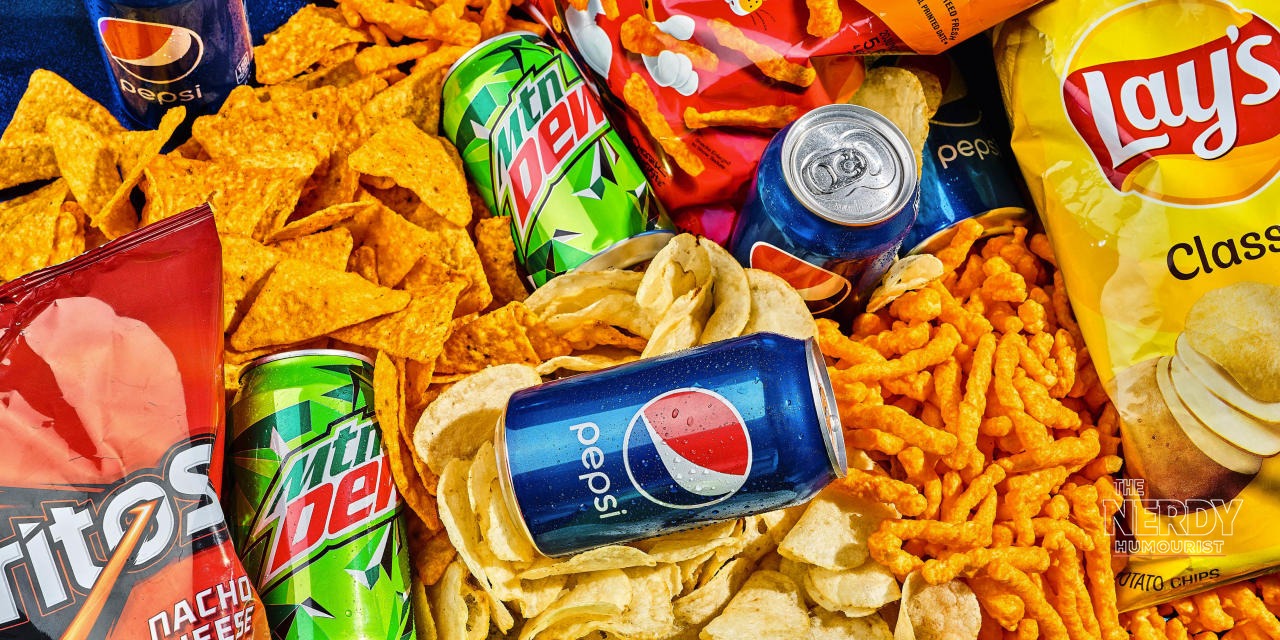
PepsiCo topped Wall Street’s third-quarter expectations on Thursday, then promptly told investors to lower their sights for the rest of the year. The snacks-and-soda giant slashed its full-year profit outlook as rising inflation and a stubbornly soft North American business squeeze margins — a combination that left the stock hovering near its lowest level in six years.
The PepsiCo Q3 earnings report is the clearest signal yet that the company’s turnaround is running into a cost wall it cannot simply price its way over.
The numbers: a beat on the quarter
For the third quarter, PepsiCo reported adjusted earnings of $2.34 per share on revenue of $25.27 billion, up 5.6 percent from a year earlier. Analysts polled by FactSet had expected roughly $2.30 a share on about $24.96 billion in revenue — so the company cleared the bar on both lines, as Barron’s reported.
But the beat came with an asterisk the market could not ignore. Management cut its full-year guidance sharply:
- Core EPS growth is now expected at 2.5% to 3.5%, down from the low end of the previous 5%–7% range.
- Core constant-currency EPS growth was lowered to 1% to 2%, from the low end of 4%–6%.
- Organic revenue growth is now seen at approximately 3% for the year, while reported net revenue growth is expected at about 6%.
In plain English: sales are holding up, but profits are not keeping pace. That gap is the story of this quarter.
Why guidance got cut: inflation vs. the turnaround
Chairman and CEO Ramon Laguarta said the results showed the “scale and resilience of the international business,” but acknowledged the company is exploring cost cuts to mitigate the impact of rising inflation. CFO Steve Schmitt expects North America’s core operating margin to remain under pressure in the fourth quarter.
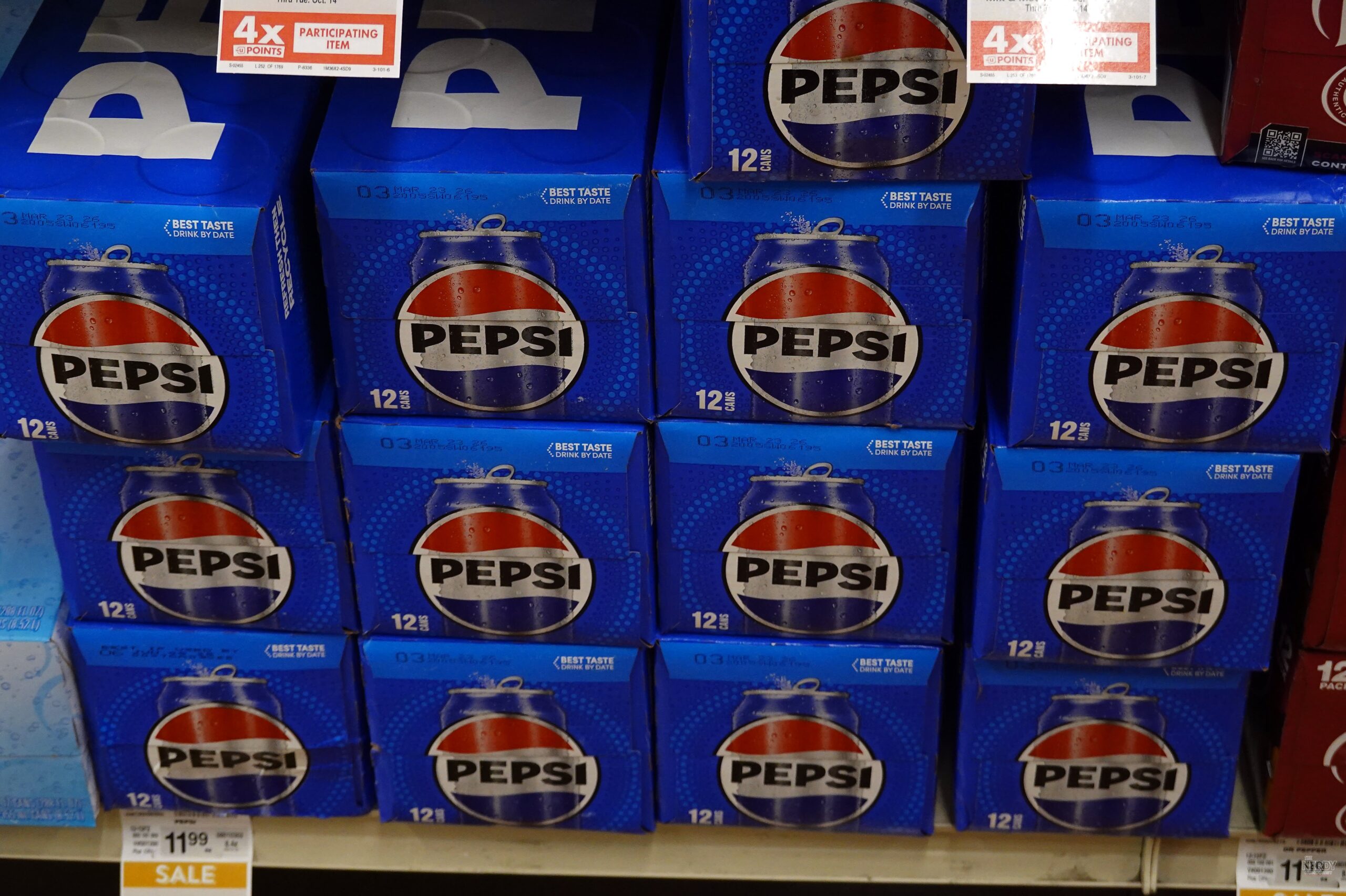
The pressure is concentrated at home. PepsiCo’s North American beverage volumes have been soft — down around 2 to 3 percent depending on the measure — while the company has been deliberately lowering effective prices on snacks to win back shoppers. That affordability push, which included cutting suggested retail prices on brands like Lay’s and Doritos by as much as 15% earlier this year, was designed to revive faltering demand. But cost pressures have made it much harder to sustain: input inflation keeps rising while the company is trying to charge less.
So PepsiCo is now planning low- to mid-single-digit price increases on some snacks later this year or early next year to keep pace with inflation — a delicate reversal that risks undoing the volume recovery the price cuts were meant to spark.
Barclays analyst Lauren Lieberman called the guidance revision a long-awaited “rebase,” noting that while the third quarter itself “wasn’t far off expectations,” the cut revealed serious pressure on North American operating margins heading into Q4. RBC’s Nik Modi described the results as “marginally better than feared.”
North America struggles while the world grows
The quarter laid bare a two-speed company. International markets carried the results: Asia Pacific convenient-foods volume rose around 11 percent, and management pointed to accelerating organic volumes across its global business. Laguarta flagged further structural cost cuts in the coming months to fund investment and offset input-cost inflation.
North America, by contrast, needs what Laguarta called urgent action on innovation, brand building, and execution. The U.S. consumer is cautious, trading down and pulling back on discretionary snacking. Changing preferences are compounding the problem — the company has been pushing zero-sugar drinks and products with added protein and fiber to adapt — and PepsiCo has acknowledged its beverage business is losing ground to Coca-Cola in the U.S.
This is the same consumer-stock malaise hitting other big brands. Nike, for instance, has been working through its own painful reset of sales forecasts and job cuts — see our coverage of Nike’s stock plunge. For readers who followed the setup into this report, our earnings-week preview laid out what Wall Street was watching ahead of Thursday’s numbers.
The Elliott Management shadow
Hanging over everything is activist investor Elliott Management, which revealed a roughly $4 billion stake in PepsiCo last year and has been pushing for faster growth and stronger margins. Activists do not buy $4 billion positions to wait patiently, and the guidance cut gives Elliott fresh ammunition to demand more aggressive action — whether that means deeper cost cuts, portfolio reshaping, or a harder look at the company’s structure.
Laguarta’s response so far has been operational rather than structural: price repositioning, product reformulation toward health trends, and now promised structural cost reductions. Whether that satisfies an activist with a multi-billion-dollar position is one of the key questions for the next two quarters.
How the market reacted
Shares rose about 1 percent to $124.92 in Thursday trading — a muted thumbs-up for the quarterly beat. But the bigger picture is grim: the stock had fallen 14 percent for the year through Wednesday’s close, trading near its lowest level since 2020. A company cutting its growth outlook in half does not get the benefit of the doubt, and the market’s verdict is that Laguarta still has to prove the turnaround is working.
With a dividend yield near 4.7 percent and a historically low valuation, value investors are circling — but value traps are called traps for a reason. The next test comes in the fourth quarter, where management has essentially guided to flat-to-down earnings. If North American margins stabilize and the international engine keeps humming, the “rebase” could mark a bottom. If not, Elliott’s patience — and the market’s — will wear thinner.
FAQ: PepsiCo Q3 2026 earnings
Did PepsiCo beat earnings expectations in Q3 2026?
Yes. PepsiCo reported adjusted EPS of $2.34 on $25.27 billion in revenue, beating the FactSet consensus of about $2.30 on roughly $24.96 billion. Revenue rose 5.6% year over year.
Why did PepsiCo cut its full-year guidance?
Rising inflation and continued weakness in North America are squeezing margins faster than sales growth can offset. The company now expects core EPS growth of 2.5%–3.5% (from 5%–7%) and constant-currency core EPS growth of 1%–2% (from 4%–6%), with North American margins under pressure in Q4.
Is PepsiCo raising prices?
After cutting suggested prices on Lay’s and Doritos by up to 15% earlier this year to revive demand, PepsiCo now plans low- to mid-single-digit price increases on some snacks later this year or early next year to keep up with inflation.
What is Elliott Management’s role?
Elliott revealed a ~$4 billion stake last year and is pushing for faster growth and stronger margins. The guidance cut increases pressure on CEO Ramon Laguarta to accelerate the turnaround.

Leave a Reply
You must be logged in to post a comment.