
The EV models discontinued in America this year add up to a stunning toll. According to an October 5, 2026 tally by B17 News, nearly 20 electric vehicles have left — or are leaving — the U.S. market since January, felled by a brutal one-two punch of import tariffs and the expiration of the federal EV tax credit. The casualty list reads like a showroom roll call: the BMW i4 and iX, the Tesla Model S and Model X, the entire Polestar lineup, the Honda Prologue, the Hyundai Ioniq 6, and the Volvo EX30, among others.
Industry executives are calling it “portfolio pruning” rather than a retreat. But for buyers, the picture is simpler: the American EV menu just got a lot shorter, and the EV models discontinued in 2026 span everything from $30,000 starter cars to six-figure German flagships.
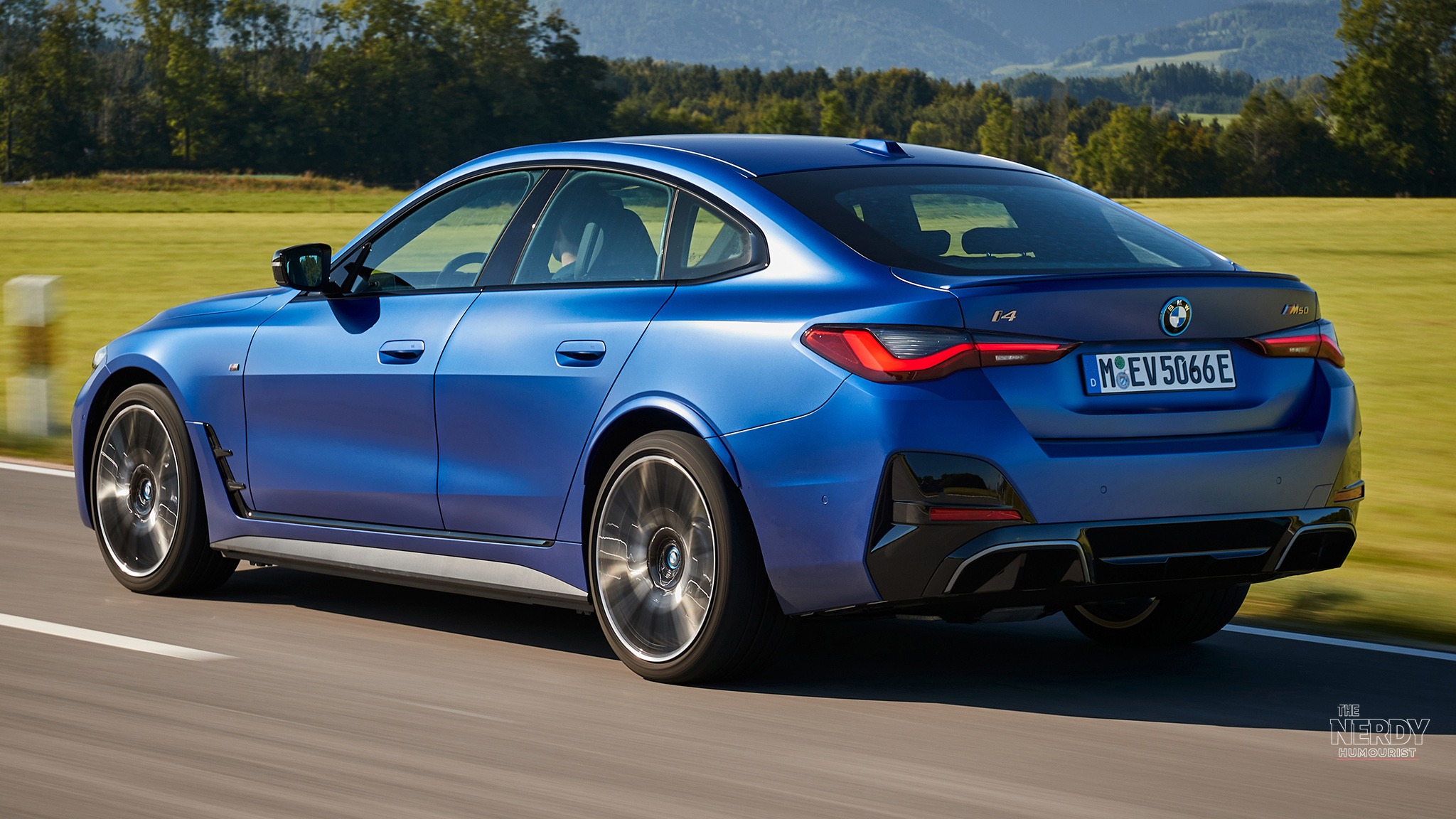
Photo: BMW (via MotorTrend)
The Biggest Names Among the EV Models Discontinued in 2026
Per WebProNews’ reporting on the B17 News tally, the departures touch nearly every major automaker:
- BMW i4 and iX: The German luxury maker discontinued both models in the U.S. The i4, a sleek electric sedan that competed with the Tesla Model 3, ends production in 2026 after five model years. The iX electric SUV — BMW’s second-ever all-electric vehicle in the U.S. when it launched in 2021 — is being phased out in favor of a next-generation model built on BMW’s “Neue Klasse” platform, with a new iX3 expected to reach showrooms next year. A BMW spokesperson told BMW Blog that the company “remains fully committed to electrification in the US,” calling the iX3’s arrival the start of the Neue Klasse era, per B17 News.
- Polestar 3 and 4: The Swedish-Chinese EV brand is pulling out of the U.S. entirely after the Commerce Department denied it authorization to sell new vehicles beginning with the 2027 model year — blocked, in part, by rules targeting China-linked vehicles.
- Tesla Model S and Model X: Tesla is winding down production of its two flagship vehicles in 2026, retiring its oldest nameplates as the brand refocuses.
- Honda Prologue: Production ends after the 2026 model year, and Honda also canceled its upcoming 0 Saloon and 0 SUV along with the Acura RSX before launch.
- Hyundai Ioniq 6: The efficient electric sedan was dropped after the 2025 model year; the Kona Electric’s U.S. imports were paused.
- Nissan Ariya: Axed amid tariff pressure, according to Yahoo Autos’ reporting on the exits.
- Volvo EX30: Withdrawn after just two model years. Volvo had moved production from China to Belgium to dodge tariffs, but the price still climbed from under $35,000 to over $40,000 — and the market said no. Volvo sold just 5,409 in 2025.
- Acura ZDX: Lasted only one model year despite sharing its platform with General Motors and being built in Tennessee.
- Porsche Taycan Cross Turismo and Sport Turismo: The wagon variants won’t return to the U.S. lineup for 2027; the Taycan sedan continues with a larger battery, more paint options, and a NACS charging port.
Volkswagen, meanwhile, delayed the much-anticipated ID.Buzz until 2027 rather than axing it outright.
Why So Many EV Models Were Discontinued: Tariffs and the Lost Tax Credit
No single blow did this — it was the pile-on. The federal $7,500 EV tax credit expired in September 2025, removing the price cushion that made many electrics competitive at the dealership. Then tariffs stacked up: a 25% levy on all imported cars, 100% on Chinese-made EVs, and 15–25% on South Korean imports, per WebProNews’ tally of the policy collision. Imports, overnight, became toxic to the business case.
The math simply stopped working on cars that were never big sellers to begin with. The Genesis Electrified G80 peaked at just 1,329 U.S. sales in 2023 before being halted in August 2025. The Ioniq 6’s sales slid from 12,264 units to 10,478 year over year before Hyundai pulled the plug. Dealers felt it first: inventory sat longer, transaction prices climbed without the federal backstop, and incentives crept back in some cases.
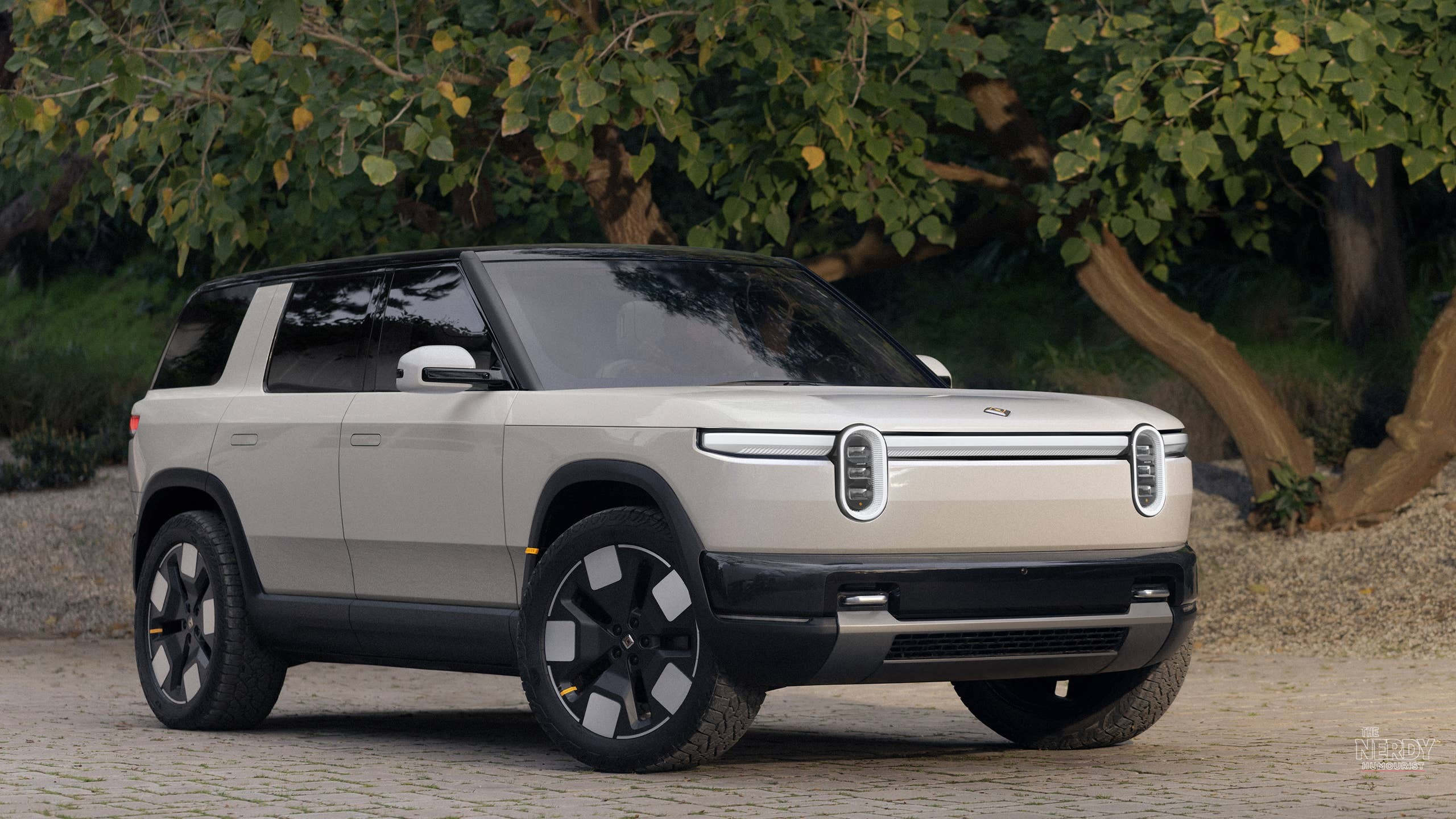
Photo: Rivian (via Autoblog)
Hybrids Surge 22% as EV Momentum Stalls
While electric vehicles struggled, hybrids caught fire. According to NADA data cited in the WebProNews report, hybrid sales rose more than 22% year to date in 2026. Buyers, it seems, wanted efficiency without the full EV commitment — and automakers noticed.
Honda is pivoting hard toward hybrids after canceling its 0 Series electrics, reporting tens of thousands of hybrid sales in a single month earlier this year. Toyota expanded its bZ series while leaning on its hybrid-heavy lineup. And GM, even as it kept pushing the Equinox EV and Blazer EV despite sharp sales drops, is betting big on what comes next.
The EV Models Discontinued in 2026 Don’t Mean the End of the EV
Look past the graveyard and the pipeline is surprisingly busy. Chevrolet is bringing back the Bolt in 2027 with an LFP battery, faster charging, a starting price near $29,000, and 262 miles of range — a combination that could make it one of the most affordable long-range EVs in America. GM’s new prismatic LMR battery cells, which promise 33% higher energy density than standard LFP at similar cost, could appear in future models, according to recent Electrek coverage of the battery advances.
Rivian, for its part, posted record Q3 deliveries for its R2 crossover — proof, its executives say, that the right EV at the right price still moves. For more on the demand side of this shakeout, see our coverage of Ford’s EV sales plunge in Q3, which showed how the post-tax-credit market punished even established electric models.
The pattern is clear: the EV models discontinued this year weren’t all failures. Many suffered from high costs, modest ranges, or awkward positioning in a market that suddenly lost its subsidies and gained import tariffs. What survives now will be models that sell in volume and can be built profitably in the U.S. or in tariff-friendly locations.
Photo: Shutterstock (via ApartmentGuide)
As B17 News noted, automakers have dozens of new or redesigned EVs slated for 2026 through 2028 — and many look stronger on paper than the ones they’re replacing. The 2026 purge may be remembered less as the death of the American EV and more as the year the industry finally got serious about which electrics deserve to live. The credit’s September 30 deadline sparked a sales surge on the way out; now the market has to stand on its own.
America’s EV Purge: Frequently Asked Questions
How many EV models were discontinued in the U.S. in 2026?
According to the October 5, 2026 B17 News tally, nearly 20 electric vehicles have been discontinued, withdrawn, or delayed in the U.S. since January 2026, including the BMW i4 and iX, Tesla Model S and Model X, the entire Polestar lineup, the Honda Prologue, Hyundai Ioniq 6, Nissan Ariya, and Volvo EX30.
Why were so many EV models discontinued in 2026?
The main drivers are the end of the $7,500 federal EV tax credit in September 2025 and new import tariffs — 25% on imported cars, 100% on Chinese-made EVs, and 15–25% on South Korean imports. Together, they destroyed the business case for many low-volume and imported electric models.
Are hybrid sales really up while EV sales stall?
Yes. Per NADA data cited in October 2026 coverage, hybrid sales rose more than 22% year to date, as consumers sought fuel efficiency without the full cost and commitment of an electric vehicle.
Which new EVs are coming to replace the discontinued models?
Chevrolet’s Bolt returns in 2027 at around $29,000 with 262 miles of range, GM is advancing new LMR battery cells, BMW’s Neue Klasse iX3 is on the way, and Rivian’s R2 is posting record deliveries. Dozens of new or redesigned EVs are slated for 2026 through 2028.

Leave a Reply
You must be logged in to post a comment.