
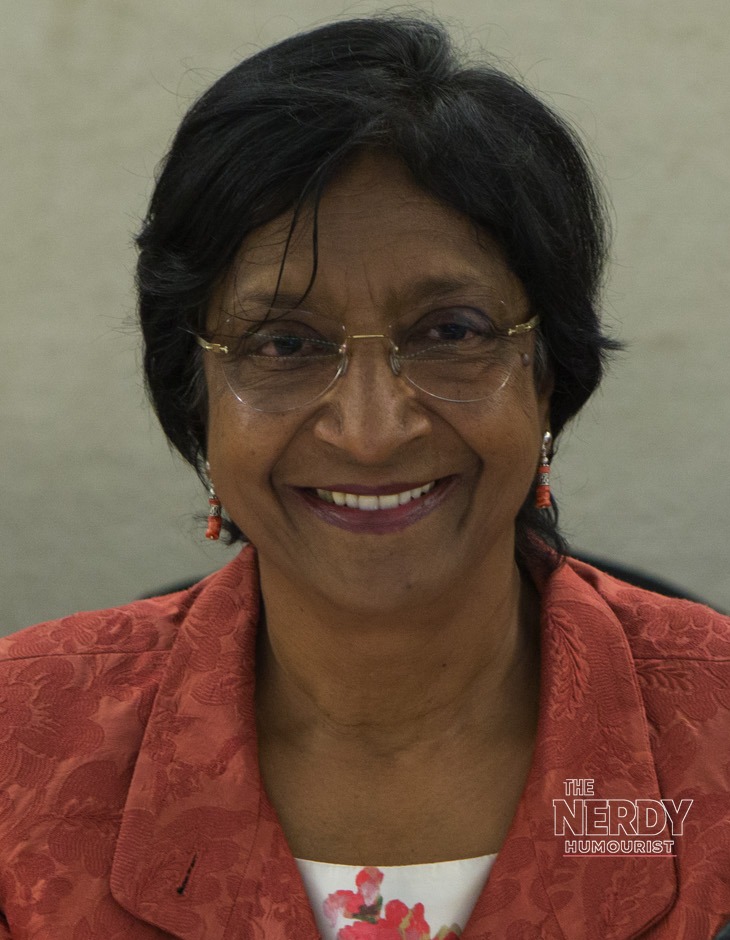
OSLO — The 2026 Nobel Peace Prize was awarded on Friday to Navanethem “Navi” Pillay, the 85-year-old South African jurist whose career has run from defending anti-apartheid activists to prosecuting genocide, for what the Norwegian Nobel Committee called her “efforts to promote peace and international law.”
The announcement, made by committee chair Jørgen Watne Frydnes in Oslo on October 9, marks the 125th Nobel Peace Prize since the award was first given in 1901. “This year’s laureate has been instrumental in ensuring that war crimes, crimes against humanity, and genocide are prosecuted,” Frydnes said.
Pillay was chosen from 287 nominations for this year’s prize, the committee said. The award carries a prize of 12 million Swedish kronor (about $1.2 million) and will be presented in Oslo on December 10, the anniversary of Alfred Nobel’s death.
Who Is Navi Pillay?
Born Navanethem Pillay in 1941 in Durban, South Africa, to a family of Indian Tamil descent, she grew up under apartheid, the system of institutionalized racial segregation that denied the country’s non-white population basic rights.
In 1967, she became the first woman to establish a law practice in South Africa’s Natal province. As a defense attorney, she represented Nelson Mandela and other African National Congress activists, shining a light on the apartheid regime’s state-sponsored torture, illegal interrogation tactics, and harsh solitary confinement. In a landmark case against the authorities at the notorious Robben Island prison, Pillay secured the right of political prisoners to legal representation.
She later became South Africa’s first black woman High Court judge — one milestone in a legal career that would extend far beyond her home country.
From Rwanda to The Hague
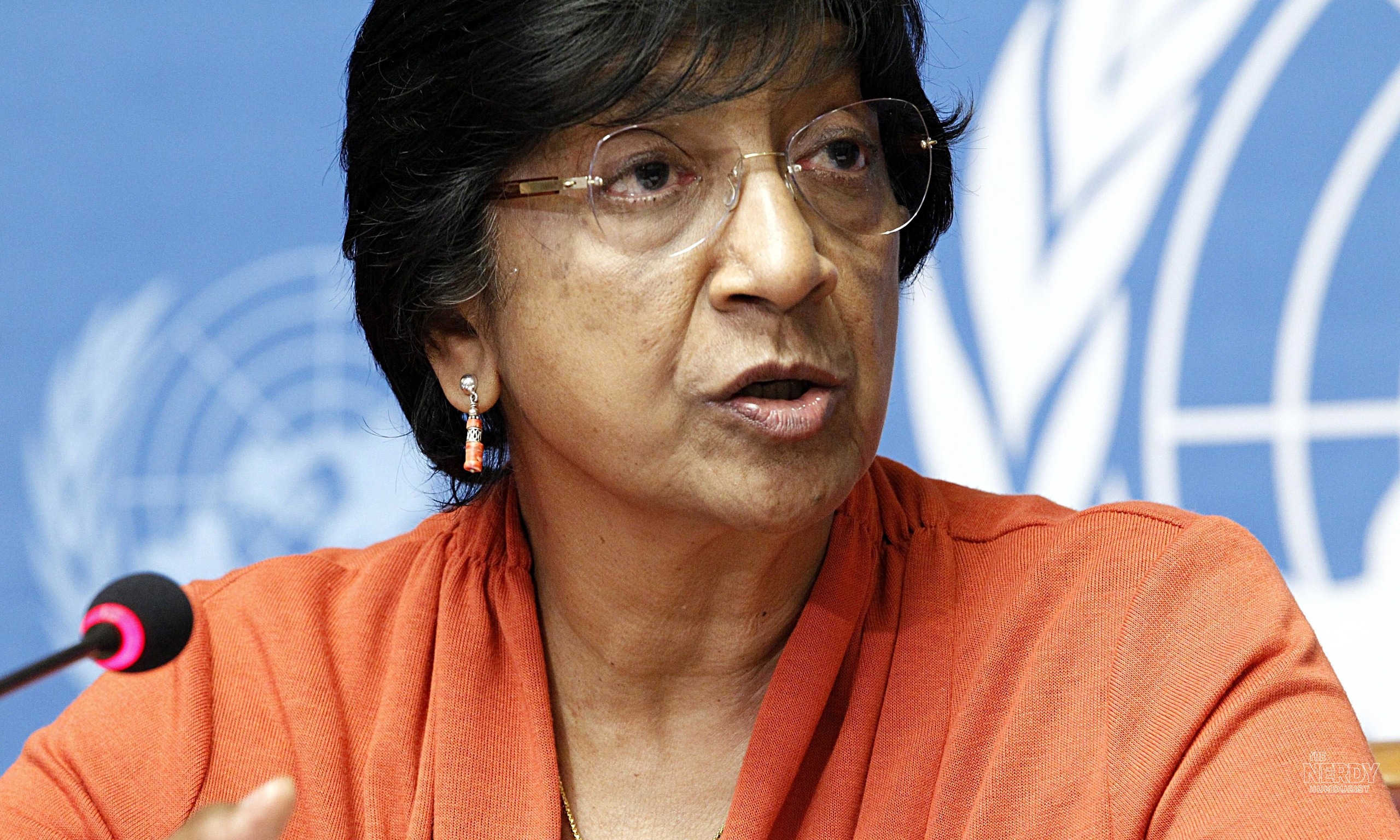
After the end of apartheid, Pillay moved onto the world stage. She served as president of the International Criminal Tribunal for Rwanda, the court established to prosecute those responsible for the 1994 genocide. There she helped establish landmark legal precedents recognizing that rape and sexual violence could constitute acts of genocide under international law — a significant development in the prosecution of wartime sexual violence that strengthened legal protections for victims worldwide.
She went on to serve as a judge on the International Criminal Court in The Hague and, from 2008 to 2014, as the United Nations High Commissioner for Human Rights, becoming one of the world’s most visible advocates for marginalized populations, accountability, and universal human rights.
More recently, Pillay chaired the UN’s Independent International Commission of Inquiry on the Occupied Palestinian Territory. The commission determined that Israel committed genocide in Gaza in its war against Hamas following the October 7, 2023 attacks. She currently sits as an ad hoc judge on the International Court of Justice in the case in which Myanmar stands accused of genocide.
“A Common Thread” of Justice
The committee framed its choice as a defense of the rules-based order at a time when, it said, international law is under assault. “A common thread runs from her early work defending Nelson Mandela and others who stood up against apartheid to her service as a judge in some of the key international court cases of our time,” the committee said.
Frydnes said the system of international law was “under tremendous pressure” and its institutions “under attack,” adding that it is judges who “guard the thin red line between order and chaos.”
“At a time of existential challenges – including more wars and conflicts than the world has seen in a long time – international law is no longer just a supplement to peace and security. It is an absolute necessity,” the committee’s statement said.
Frydnes also revealed a humanizing detail: the committee had been unable to reach Pillay before the announcement. “Unfortunately, we have not been able to reach Navi Pillay,” he said. “My message to her would be: if you see a Norwegian number calling, please pick up. I would love to talk to you very soon.”
Reaction and the Wider Race
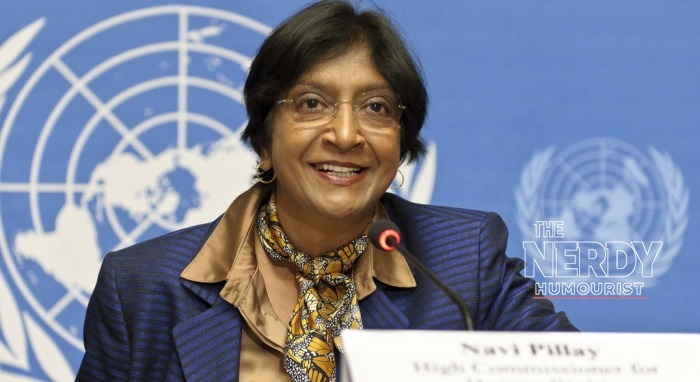
The UN human rights office welcomed the announcement. “It is amazing news, we need more dedication and commitment to human rights,” spokesperson Shabia Mantoo told reporters in Geneva.
Pillay had not been among the most-discussed favorites. Before the announcement, bookmakers and experts had tipped Sudan’s Emergency Response Rooms — the volunteer network feeding and evacuating civilians caught in Sudan’s civil war — alongside other contenders, as we covered in our pre-announcement preview. Only designated people and organizations — heads of state, national politicians, university professors, directors of foreign policy institutes, past laureates, and committee members themselves — can submit nominations.
The announcement also means US President Donald Trump, who has long and loudly campaigned for the prize and claims he deserves it for his efforts to end conflicts, was again passed over. Last year’s prize went to Venezuelan opposition leader María Corina Machado; she later presented her medal to Trump after a US military operation ousted Venezuelan leader Nicolás Maduro — but the Nobel Committee has said the prize itself cannot be transferred: “Once a Nobel Prize is announced, it cannot be revoked, shared, or transferred to others.”
Pillay’s win comes in a Nobel week that has already honored breakthroughs in medicine, physics, chemistry, and literature — the literature prize went to Canadian poet Anne Carson earlier this week.
Frequently Asked Questions
Who won the Nobel Peace Prize 2026?
South African jurist Navanethem “Navi” Pillay, 85, won the 2026 Nobel Peace Prize. The Norwegian Nobel Committee announced the award on October 9, 2026, honoring her “efforts to promote peace and international law” over a career spanning anti-apartheid advocacy, the Rwanda genocide tribunal, the International Criminal Court, and the UN human rights chief’s post.
Why did Navi Pillay win the Nobel Peace Prize?
The committee cited her role in ensuring war crimes, crimes against humanity, and genocide are prosecuted — from helping establish rape as an act of genocide at the Rwanda tribunal to her tenure as UN High Commissioner for Human Rights (2008–2014). At a moment when international law faces what the committee called “tremendous pressure,” it framed the prize as a reminder that resolving conflicts without violence depends on the international rule of law.
How much is the Nobel Peace Prize worth in 2026?
The 2026 Nobel Peace Prize carries 12 million Swedish kronor, roughly $1.2 million. It will be presented at a ceremony in Oslo on December 10, the anniversary of Alfred Nobel’s death in 1896.
Did Donald Trump win the Nobel Peace Prize 2026?
No. Despite Trump’s long-running public campaign for the prize, the 2026 award went to Navi Pillay. Last year’s laureate, Venezuela’s María Corina Machado, symbolically presented her medal to Trump after the US ousted Nicolás Maduro, but the Nobel Committee stresses the honor itself is non-transferable.

Leave a Reply
You must be logged in to post a comment.