
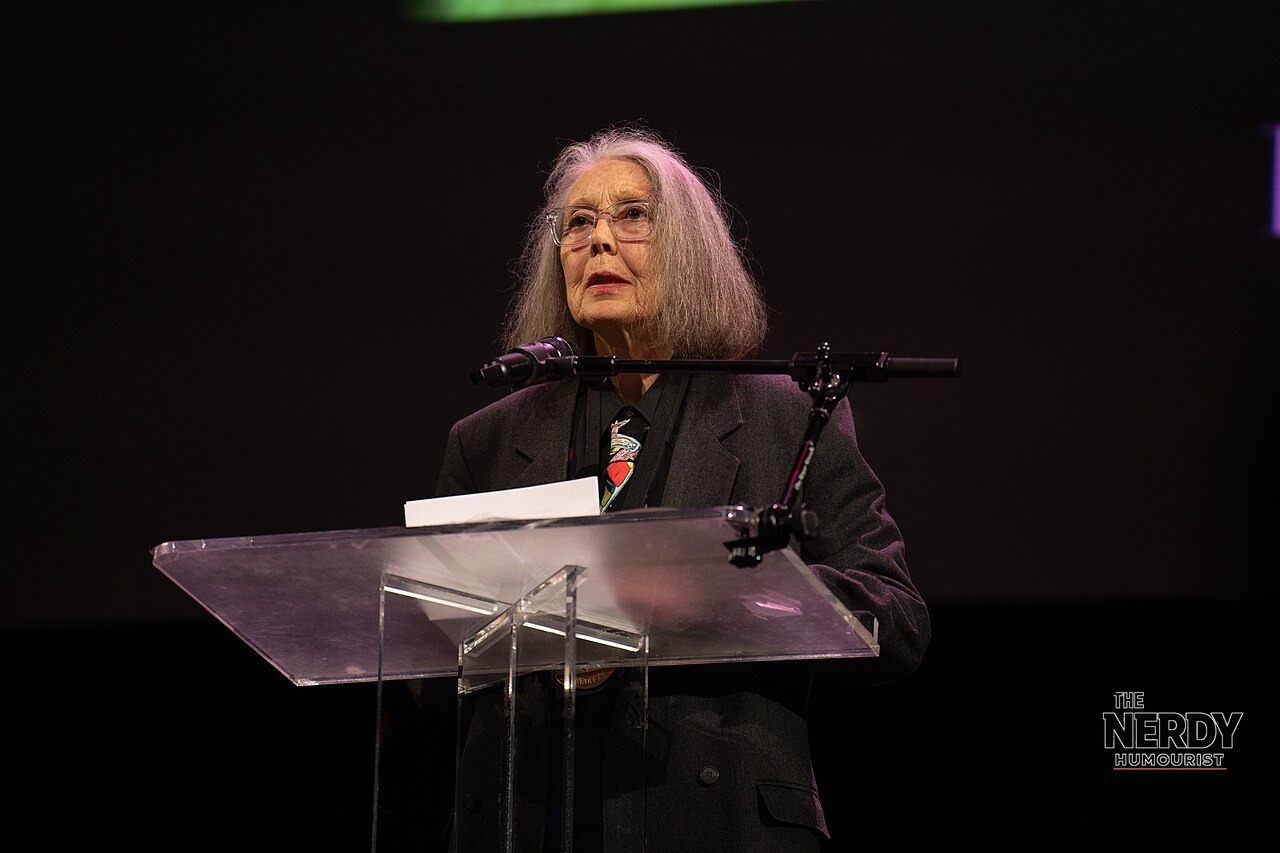
The Nobel Prize Literature 2026 winner is Anne Carson. The Swedish Academy announced on Thursday that the Canadian poet, essayist, translator and classicist receives the award “for her bold and inventive oeuvre that, in playful dialogue with the classical tradition, has created new forms for contemporary literature,” Reuters reported.
The prize is worth 12 million Swedish kronor — about $1.2 million — after the Nobel Foundation raised each prize by 1 million kronor from 2025’s 11 million. Carson, 76, becomes only the second Canadian writer to take the literature prize, following Alice Munro’s win in 2013.
The call from Stockholm reached Carson in an unlikely place. “She was very taken by surprise. We didn’t have so much time to speak, and all she had time to tell me was that she is for the moment in Iceland, where she’s listening to the wind,” said Ingrid Carlberg, the permanent secretary of the Swedish Academy. The Toronto-born writer has held Icelandic citizenship since 2022.
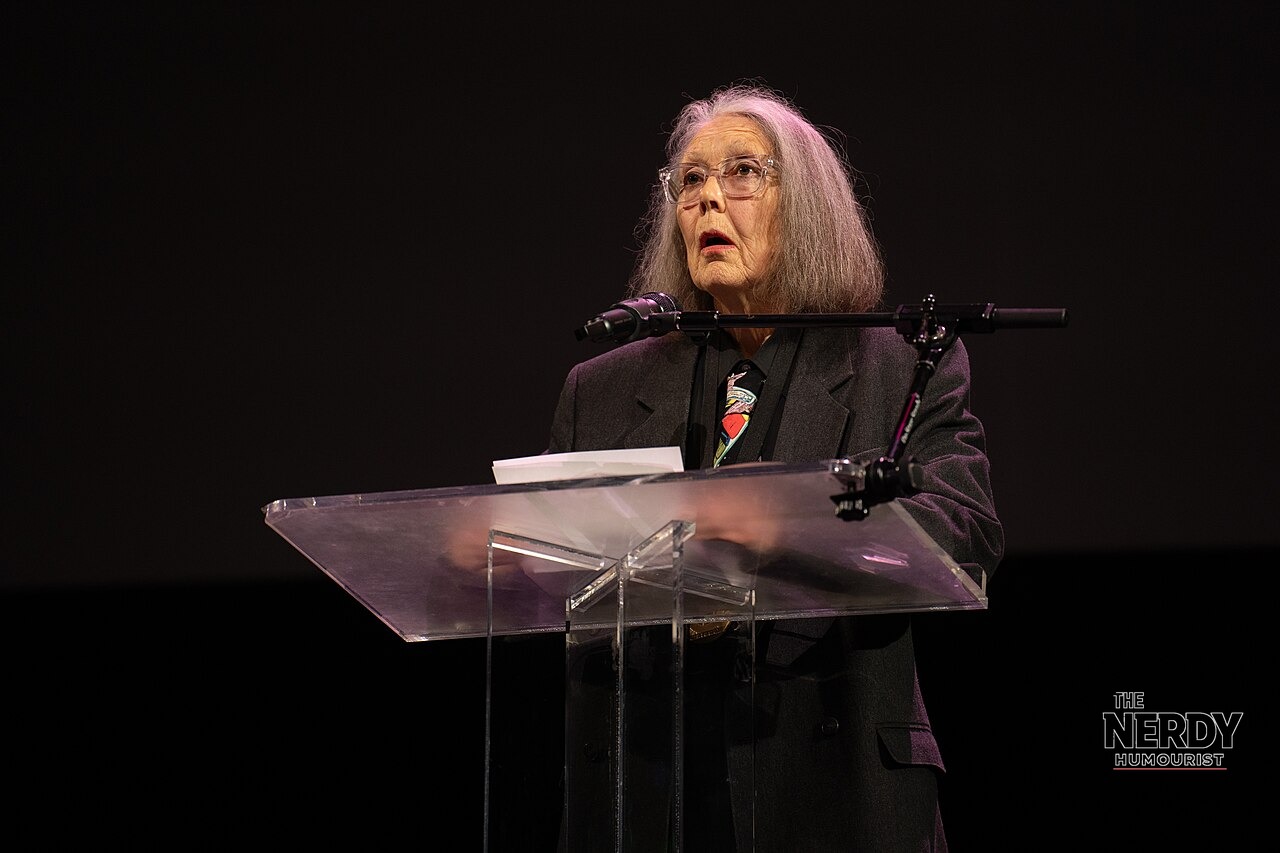
Who Is Anne Carson, the Nobel Prize Literature 2026 Winner?
Anne Carson was born in 1950 in Toronto, Canada. She trained as a classicist — in 1981 she published her doctoral thesis in Classics — and has spent her entire career combining poetry writing with translation work and teaching at various universities, according to the Academy’s official press release.
Her more than 30 published works refuse to sit in any single genre. Her writing blends verse, prose, dialogue and translation in what Reuters called a genre-defying mix, ranging from opera libretti to literary criticism and verse novels. Her translations of classical Greek literature, the Academy said, may be regarded as independent works in their own right.
Carson has said that the etymology of words is the starting point for all her work — an obsession with language that her philologist’s training feeds and her poetry then transforms. Nobel Committee for Literature chair Anders Olsson summed it up: “Almost all her literary production has centered upon the intersection between the philologist’s obsession with words and the poet’s desire for new meaning.”
A Career Built on Dialogue With the Ancient World
The work most often called Carson’s greatest, Autobiography of Red: A Novel in Verse (1998), shows her method in full. Starting from surviving fragments by Stesichoros, a Greek poet of the sixth century BC who wrote about the winged red monster Geryon, she built a long narrative poem voiced in precise contemporary idiom — the ancient myth and the modern world held in a single frame.
She has returned to that dialogue again and again: translations of Sophocles’s Electra and Euripides’s Grief Lessons: Four Plays; Norma Jeane Baker of Troy (2019), a performance piece that braids Euripides’s play Helen together with the story of Marilyn Monroe; and Float (2016), a box of twenty-two chapbooks on different subjects that can be read in any order. Her 2024 work Wrong Norma crossed further into performance, and her collaborations with visual artists, choreographers and opera and theatre directors have made her a fixture of the international art scene since the 1990s.
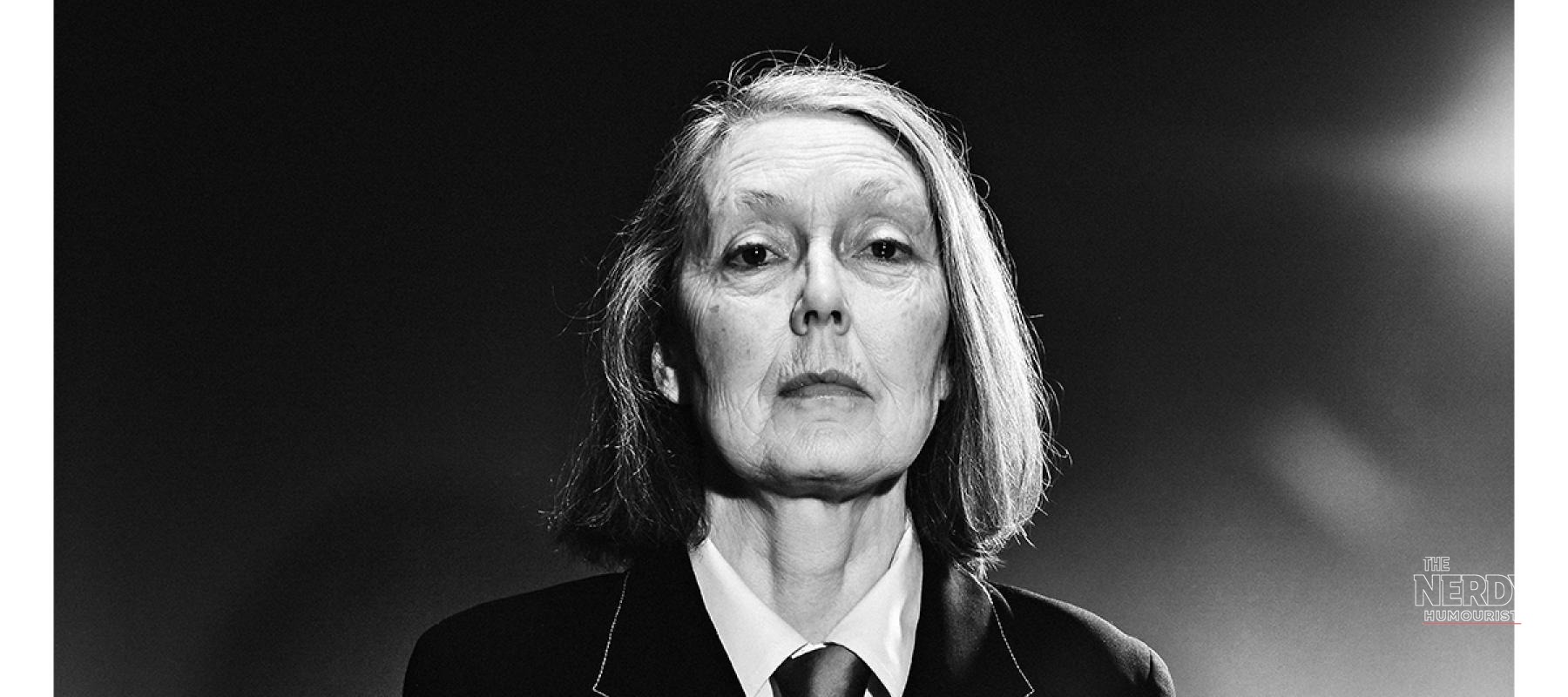
A Favorite This Year — and a Quiet Literary Life
Carson had been mentioned among this year’s contenders ahead of the announcement — bookmakers had her high on their boards, including as one of the leading candidates with Sweden’s Betsson — but she is a famously private figure who rarely gives interviews and lets the work speak.
She takes her place beside previous laureates including Alice Munro, Ernest Hemingway and Gabriel García Márquez. Last year’s prize went to Hungarian writer László Krasznahorkai. The literature prize has been awarded since 1901 under the terms of Alfred Nobel’s 1895 will, and the Academy’s choices often divide opinion — part of the job, its defenders say, is to push readers beyond familiar names toward broader literary traditions.
Nobel Week 2026: What Comes Next
Literature is the fourth prize announced this year. On Monday the medicine prize went to Karl Deisseroth, Peter Hegemann and Georg Nagel for optogenetics, on Tuesday the physics prize went to Francis Halzen for the IceCube Neutrino Observatory (read our coverage of the 2026 Nobel Prize in Physics), and on Wednesday Henri Kagan and Kenso Soai took the chemistry prize for their work on mirror-image molecules (read our coverage of the 2026 Nobel Prize in Chemistry).
The Nobel Peace Prize is announced Friday from Oslo, and the Economics prize closes the week on Monday, October 12. Carson will receive her medal from Sweden’s King Carl XVI Gustaf at the Stockholm ceremony on December 10, the anniversary of Alfred Nobel’s death. Bookshops were already moving: copies of her books were displayed at Waterstones in London on Thursday within hours of the announcement.
FAQ
Who won the Nobel Prize Literature 2026?
Canadian poet, essayist, translator and classicist Anne Carson won the 2026 Nobel Prize in Literature “for her bold and inventive oeuvre that, in playful dialogue with the classical tradition, has created new forms for contemporary literature.” She is 76 and was born in Toronto in 1950.
What is Anne Carson famous for?
Carson’s 30-plus works blend poetry, prose, essay, translation and performance. Her best-known books include the verse novel Autobiography of Red (1998), built from fragments of the ancient Greek poet Stesichoros; her translations of Sophocles and Euripides; the performance piece Norma Jeane Baker of Troy (2019); and Float (2016), a box of twenty-two chapbooks readable in any order.
How much is the Nobel Prize in Literature worth in 2026?
The 2026 prize is 12 million Swedish kronor, about $1.2 million. The Nobel Foundation raised each prize by 1 million kronor from 2025’s 11 million. The medal and diploma are presented by Sweden’s king at a Stockholm ceremony on December 10.
Who was the last Canadian to win the Nobel Prize in Literature?
Alice Munro, the short-story master, won in 2013 — making Anne Carson the second Canadian writer to receive the literature prize. Last year’s (2025) prize went to Hungarian novelist László Krasznahorkai.
Sources: Reuters; CNN; NobelPrize.org (press release); Scroll.in; The Hindu

Leave a Reply
You must be logged in to post a comment.